
According to the Philippine Statistics Authority, 3,379 Filipinos died from intentional self-harm in 2024, up from 3,133 the year before. This is an ongoing crisis, so this Suicide Prevention month, let’s tackle a helpful way to guide people on how they can stop suicidal thoughts. Find out what to do in the next hour, how to build a safety plan, and where to reach a doctor near you. Let’s begin!
What Are Suicidal Thoughts?
Suicidal ideation is the clinical term for any thought that circles around ending your own life. These thoughts sit on a spectrum, and knowing where yours falls changes how fast you need help. Screen portrayals muddy the picture. A TV show usually builds toward one dramatic scene. The real suicidal ideation is quiet, ordinary, and hidden behind someone who still shows up to work every morning.

Types of Suicidal Ideation
- Passive Suicidal Ideation: Wishing you could disappear, hoping you don’t wake up, and believing other people would be better off without you all count as passive ideation. Doctors describe these as thoughts of death that arrive without any desire to make a plan of action to harm yourself. Nobody’s picturing a method or a date.
- Active Suicidal Ideation: The active form adds intent. Suicidal thoughts turn active when they carry a method, a timeline, or a plan, and that combination is a medical emergency rather than something you book for next week.
NOTE: Passive thoughts of suicide are still worth telling a doctor about. They can shift into something more active within days. Warning indicators at this stage include giving away valued belongings and writing a note. Anyone describing a specific plan needs same-day care.
Read this related article to understand more about passive suicidal ideation and its risks when left alone.
Why Do Suicidal Thoughts Happen?
No single event explains it. The likely cause is usually several pressures landing at once, which is also why easing just one of them can lower the intensity faster than you’d expect.
Here are the pressures that show up most often among Filipino patients who reach crisis lines:
- Untreated mental health conditions: Depression, bipolar disorder, PTSD, and substance use disorders all raise risk, and they all respond to treatment. Getting the underlying diagnosis right usually lowers how often the thoughts arrive.
- Loss and grief: A death in the family, a broken engagement, or a marriage ending strips away the structure a person was holding on to.
- Money and work pressure: Debt, job loss, and carrying an entire household on one salary create a trapped feeling that feeds suicidal thinking. Patients often name the shame of failing as the family’s provider, rather than the debt itself, as the heavier weight.
- Chronic pain or illness: Long-running physical health problems wear down mood and sleep; mood and sleep then wear down coping.
- Isolation: Living far from family, working night shifts, or migrating for work removes the daily contact that usually catches someone early.
- Age: According to the World Health Organization, suicide is the third leading cause of death worldwide among people aged 15 to 29, which is why doctors watch younger patients closely.
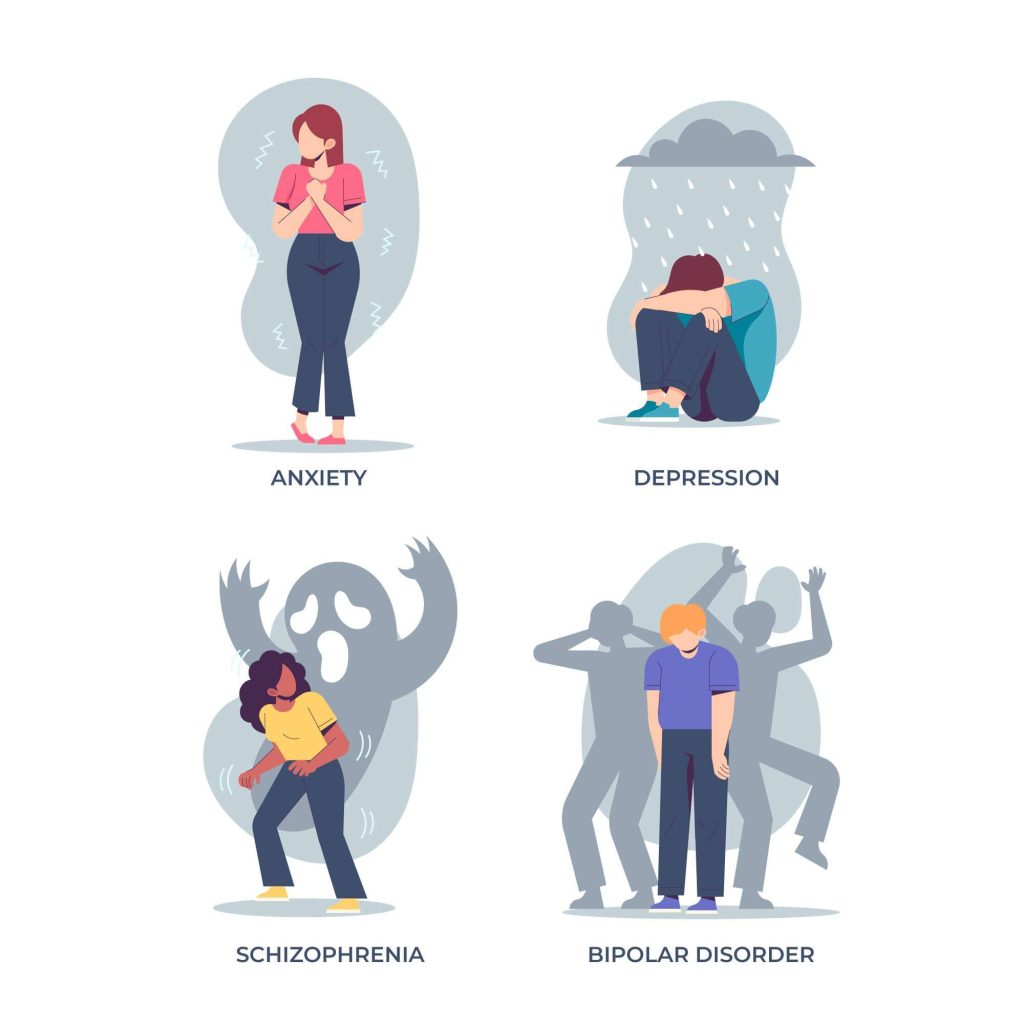
Monitoring these people closely is a must, especially when there’s a constant thought about death. On the other hand, if you have suicidal tendencies due to these mentioned factors, seek help immediately. Contact the National Center for Mental Health crisis lifeline if you need someone to talk to.
Psychological first aid can also be helpful when there’s a stressor that triggers your suicidal ideation. Call the NCMH hotline to request this service
What are the Warning Signs of Suicide Ideation in a Family Member?
Spotting suicidal thinking in someone else means listening for what they say about the future rather than what they say about dying. People rarely use the word suicide.
The National Institute of Mental Health groups the warning signs by what someone says, feels, and does. Watch for these in yourself or in someone close to you:
- Talking about wanting to die, or about being a burden to others
- Expressing great guilt or shame
- Feeling empty, hopeless, trapped, or like there’s no reason to live
- Withdrawing from friends, saying goodbye, or giving away important items
- Eating or sleeping far more or far less than usual
- Using drugs or alcohol more often
- Displaying extreme mood swings
Any one of these can show up on a hard week, and the concern rises when several appear together or when the behavior is new. A sudden calm after a long stretch of distress deserves the same attention, since that shift sometimes signals a decision rather than a recovery.
What to Say When You Notice Them
Asking directly doesn’t plant the idea. Say the words plainly, then stay quiet long enough for an honest answer. Don’t agree to keep it secret if the person describes a specific plan. Offer to help with the logistics instead, whether that’s booking the appointment or sitting with them during the consultation.
When someone in your family suffers from depression, this article about therapy for depression can help them navigate their way into seeking professional help.
How to Stop Your Suicidal Thoughts in the Moment?
Suicidal ideation whether passive or active can come by when the person is surrounded by their triggers. When the time comes and the intensity becomes too heavy for the individual, getting through the next hour is the only goal during this time of crisis.
These practical ideas buy you that time:
- Call the crisis hotline: The National Center for Mental Health answers at 1553, or 0917-899-8727 on Globe, 24 hours a day at no cost to the caller.
- Delay the decision: Tell yourself you’ll wait 24 hours before doing anything, then wait another 24.
- Make the living space safer: Hand a family member your medicines, sharp objects, and anything else you could use to hurt yourself, and ask them to hold everything for now.
- Tell a trusted friend: Say the words out loud, even clumsily. Naming a suicidal urge to your good friend person shrinks it in a way that thinking about it never does.
- Change your surroundings: Leave the room where the thoughts are loudest and move somewhere with people, light, and noise. A hospital waiting area, a 24-hour fast-food place, and a jeepney ride around the block all qualify.
- Do one small physical thing: Splash cold water on your face, walk to the end of the street, or hold ice in your hand. A ten-minute mood boost is enough to reach the next ten minutes.
Meanwhile, if you are in the other end where you’re taking care of someone with passive or active suicide ideation, you must be prepared at all times. Notice if there’s already suicidal behaviors occurring. Contact some Philippine helplines or call the patient’s mental health doctor for emergency cases.
For more in-the-moment coping strategies, read this guide on what to do when having a panic or anxiety attack.
Support Your Mental Health with Daily Habits
Small routines between crises lower your baseline. None of them cure suicidal feelings, and all of them make the bad days less steep.
Build these into an ordinary week:
- Sleep on a consistent schedule: Going to bed and waking at the same hours steadies mood more reliably than any single good night’s rest. Tell your doctor if you can’t sleep for more than a few nights, since insomnia and suicidal thinking feed each other.
- Move your body daily: Twenty to thirty minutes of physical activity, even a walk around the subdivision, reliably improves mood.
- Eat at regular times: Skipped meals produce irritability and fog that feel identical to worsening depression. Cooking your favorite meal counts as nutrition and as a small win in a bad week.
- Cut back on alcohol: Drinking lowers inhibition at exactly the moment you need it most.
- Write down three good things: Recording them each night trains your attention toward the positive things your mind edits out during a low week.
Build a Suicide Safety Plan
A suicide safety plan is a written plan of action you make while you’re calm, so your future self doesn’t have to think clearly during a crisis. Keep one copy on paper and one as a note on your phone. Give the finished crisis plan to the person you trust the most in your family to keep you in check.

Work through these six steps with a doctor or on your own:
- Write down the warning signs that show up before things get bad, like skipping meals, canceling plans, or replaying old failures at two in the morning.
- List three coping strategies that have pulled you back before, whether that’s a safety playlist, favorite show, a shower, prayer, or your favorite meal cooked slowly.
- Mention people in your support network you can call, with their numbers written out in full, including one who answers at night.
- Add your professional contacts: your psychiatrist, your psychologist, the nearest emergency room, and the mental health helpline of National Center for Mental Health that answers at 1553 or 0917-899-8727.
- Decide in advance who holds your medicines and who checks in on you on a daily basis
- Record your reasons to stay, and name them specifically. A sibling’s wedding, a pet, and an unfinished degree work better than the phrase “my family.”
BONUS: You can also build a happy box or hope box that is accessible to provide you with a good mood when an idea of death comes.
Small actions that can make you feel in a good way matters when in times of crisis. However, take note that while happy memories can help you subdue difficult feelings at the moment, a consultation with a mental health professional is still a must.
If you don’t have a mental health doctor yet, book a psychological assessment on NowServing for a formal evaluation before starting treatment. You can also find doctors who treat depression, anxiety, and mental health concerns and build the plan together in your first session.
Where to Get Help in the Philippines for Suicide Ideation?
Treatment for suicidal thoughts is rarely one thing. Most patients do best on a combination of medical care, talk therapy, and peer support.

Crisis Hotlines
The National Center for Mental Health runs the country’s crisis hotline, and it’s free, confidential, and open 24 hours a day. Call 1553 from a Luzon landline, 0919-057-1553 on Smart or TNT, or 0917-899-8727 on Globe or TM.
For anything life-threatening, call their emergency direct line [02] 8531-5275 or go straight to the nearest emergency room.
Psychiatrists
A psychiatrist is a medical doctor who diagnoses the condition underneath the thoughts and prescribes medication for it. You don’t need a referral to book a psychiatrist in the Philippines.
Don’t start or stop those medicines on your own. Abrupt withdrawal can sharpen the very thoughts you’re trying to quiet.
Psychologists and Counselors
Clinical and counseling psychologists handle the talk therapy side. Cognitive behavioral therapy and dialectical behavior therapy are the two approaches used most often for suicidal thinking, and both teach you to hold a thought a different way instead of obeying it.
You can find psychologists near you on NowServing.
Peer Support Groups
Sitting with people who survived the same thoughts does something a clinic room can’t. Peer support groups normalize the experience quickly, and the Philippine Mental Health Association runs counseling and community programs across several regions.
Note: Alcohol or drug use makes every other treatment harder to hold, and anyone under 18 needs a specialist trained for that age group.
Consult an addiction medicine specialist when drinking is deepening the thoughts, or book with a child and adolescent psychiatrist for a younger patient.
Listen to the new podcast episode of The NowServing Podcast about burnout and other mental health triggers, with our doctor guest, Ms Jannah Trixie Cuevas, RPsy, RPM.
How to Book an Online Mental Health Consultation for Suicidal Thoughts on NowServing
When you don’t know what to do about your suicide ideation, you can rely on the On-Demand Bookings feature of NowServing. Skip the long lines and be able to consult online with a mental health doctor in just 15 minutes.
However, if you want to specifically consult your preferred online doctor, you can always check the NowServing mental health doctor directory.
Here’s how to find an online mental health doctor for suicide ideation using NowServing:
- Open the NowServing app or click this link to view the mental health doctor directory of NowServing
- Browse the list of doctors and you can find psychiatrists, psychologists, counselors, etc.
- Select your preferred doctor, especially if you want to book based on consultation fee and more.
- Start the booking process and wait for the doctor to accept your booking and to start your session
Consultation fees for psychiatrists in the Philippines generally run from PHP 1,000 to PHP 4,000 per session, depending on the doctor and the setting. Compare rates first by reading this guide on affordable online psychiatrists in the Philippines.
NOTE: Online consultation isn’t the right channel for active suicidal ideation. Call the crisis hotline or go to the nearest emergency room instead.
How to Help Someone with Suicide Ideation
Aside from being there for someone and helping them to build a suicide safety plan, you can also do another thing that can help them reach the medical help they need. As mentioned, passive and active suicide ideation can happen when triggers like mental health conditions are unmanaged. One way to resolve it is through providing them a way to seek help to mental health doctors
Gifting a NowServing Care Gift Card is an option you can do to help someone in need. Recipients who receive this gift card can redeem them and use it to avail a mental health consultation on NowServing. They can meet with their prefer doctors by choosing in the doctor directory, and receive the treatment they need to prevent passive suicide ideation from turning into active suicide ideation.
Ready to Send A Mental Health Gift Card?
Frequently Asked Questions (FAQs) About Suicidal Thoughts
Are suicidal thoughts normal?
Passing thoughts of death are more common than most people admit, and they aren’t a sign of weakness or of a broken personality. Any thought that returns, intensifies, or comes with a plan needs professional attention.
Should I tell my family about my suicidal thoughts?
Telling at least one person you trust is one of the strongest protective steps available, because it means someone else can act when you can’t. If family feels unsafe, a friend, teacher, priest, or crisis hotline counselor works just as well. Nothing you tell a doctor reaches your family or employer without your consent.
How long does it take for suicidal thoughts to stop?
Most patients notice the thoughts loosening within weeks of starting treatment, well before they stop entirely. That gradual pattern is normal, not a sign the treatment is failing.
What to do if I keep thinking about dying?
Constant thoughts about dying can be a sign of passive suicide ideation. It is important to take it seriously and take note of every factor that leads you to this idea. When intense feeling of dying becomes too heavy, it is crucial to have someone with you to help you with the suicide safety plan. Call for emergency help when needed to avoid potential harming behavior.
Where can I get help in the Philippines right now?
Call the National Center for Mental Health Crisis Hotline at 1553, or 0917-899-8727 on Globe, any time of day. For ongoing care, book a consultation with a psychiatrist or psychologist through NowServing, or browse this list of mental health websites and resources.
Conclusion
This Suicide Prevention Month, know that having suicidal thoughts are serious symptoms that you should not disregard. Writing a safety plan, telling someone, and calling the help hotlines are the steps that move people from surviving the night toward getting better. If you or someone is in immediate danger, call the NCMH Crisis Hotline at 1553 or 0917-899-8727 at any hour.
Follow-up by booking a session with a mental health doctor like licensed psychiatrists and psychologists to address the constant suicide ideation triggers. Find a mental health doctor on NowServing and book your consultation today!
If you know someone with thoughts of dying and haven’t been diagnosed by a doctor yet, you can help them by gifting a NowServing Care Gift Card for mental health consultations.
This article is for general information only and is not a substitute for professional medical advice, diagnosis, or treatment. If symptoms are severe or getting worse, see a doctor or go to the nearest hospital.