Four in every 10 Filipino adults have obesity, based on the DOST-FNRI 2023 National Nutrition Survey, so it is no surprise that weight loss medication in the Philippines draws so many searches. The catch is that these medicines are prescription-only, and not everyone qualifies. This guide explains what a doctor checks before prescribing, what side effects to expect, and what follow-up looks like after the first prescription.
Weight Loss Medication in the Philippines Is Prescription-Only
Medicines for weight management in the Philippines require a prescription. The legitimate ones are registered with the Philippine Food and Drug Administration (FDA) and dispensed only with a licensed doctor’s prescription.That sets them apart from the slimming pills, teas, and weight loss supplement products sold online. Unregistered slimming products have not gone through government evaluation, so their quality and safety are not guaranteed.
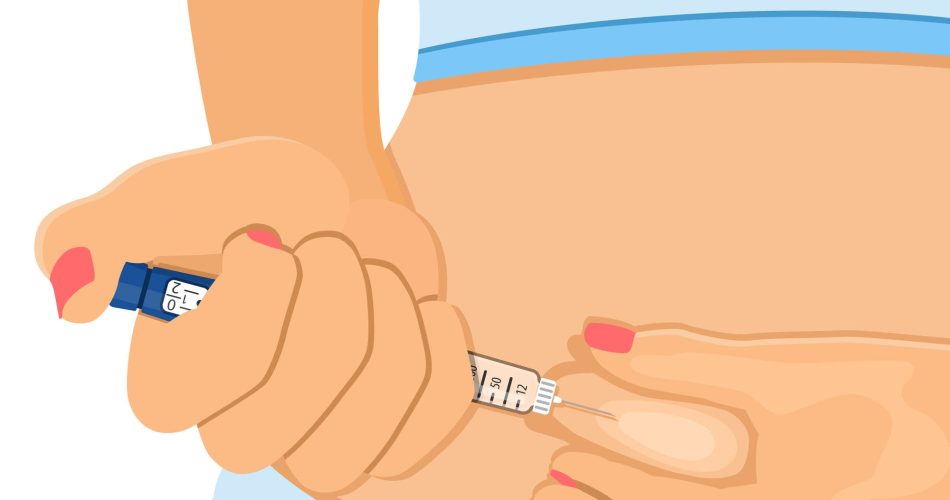
Whether a weight-management medicine comes as a tablet or an injection, the rule stays the same. Your doctor decides if it fits you after a full assessment.
Read this related article on GLP-1 drugs for weight management to see how one class of these medicines works.
Common Factors That Doctors Check Before Giving Prescribed Medications
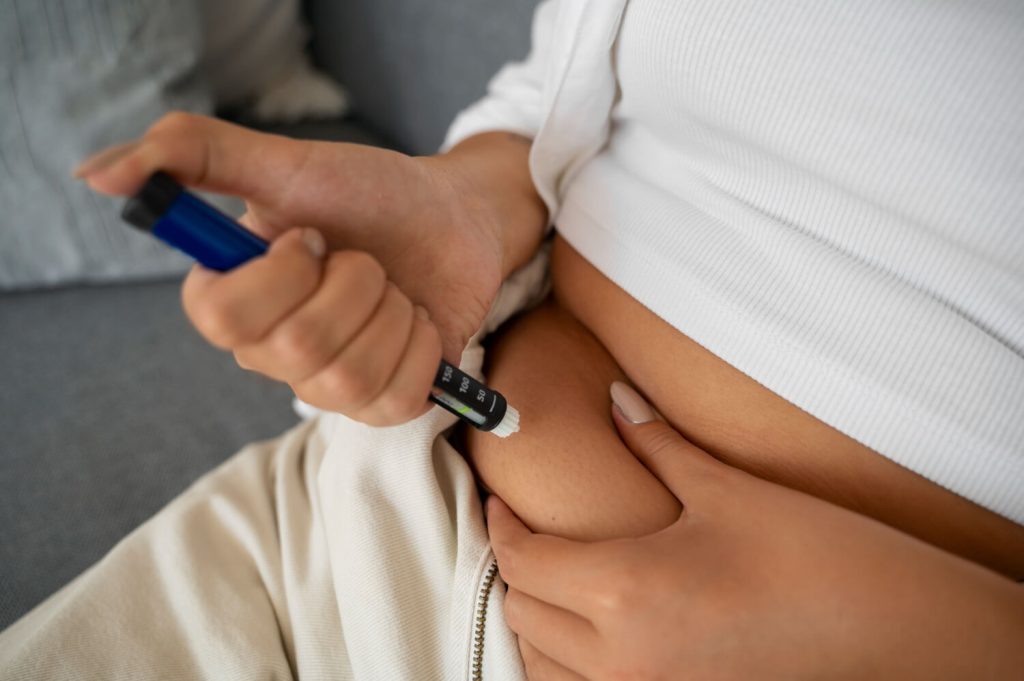
Before writing any prescription, your doctor looks at your whole health picture, not body weight alone. The first consultation usually covers five areas.
Body Mass Index and Waist Size
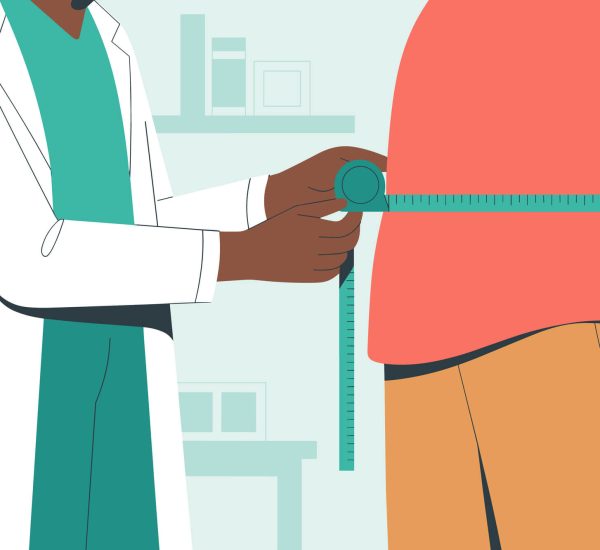
Doctors in the Philippines use the Asia-Pacific body mass index cutoffs. A BMI of 23 to 24.9 counts as overweight, while 25 and above counts as obesity. Medicine is usually considered for people in the obesity range, or in the overweight range with a weight-related health problem. Waist size adds context, since excess body fat around the belly carries extra risk.
Related Health Conditions
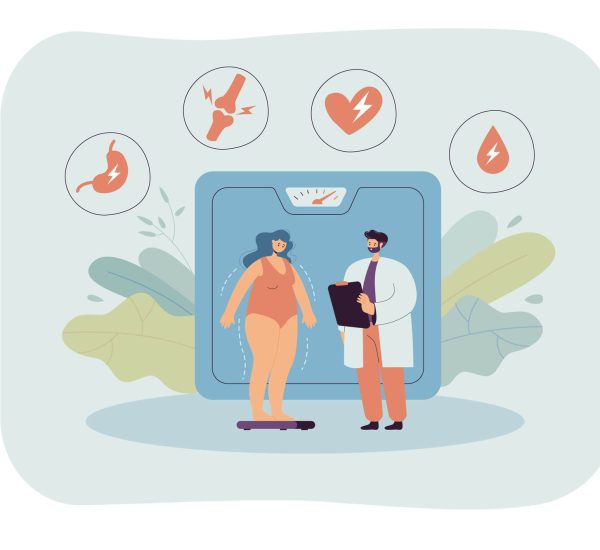
Your doctor screens for weight-related health problems, because they change which treatment is safest for you. These include:
- High blood pressure
- Type 2 diabetes
- High cholesterol
- Fatty liver
- Heart disease
Expect your blood pressure, heart rate, and blood sugar to be measured, along with other lab tests. If you already have high blood pressure, you can find doctors who treat high blood pressure on NowServing.
Pregnancy Plans
Weight-management medicines are not taken during pregnancy. Doctors also avoid them if you are planning a pregnancy or breastfeeding, so share any family plans at your first visit.
Consult an OBGYN on NowServing if you are planning a pregnancy and want to talk about your weight.
Thyroid and Pancreas History
Some weight-management medicines are not advised for people with a personal or family history of certain thyroid tumors. Your doctor will also ask about pancreatitis, or past inflammation of the pancreas. You can learn which doctor to see for thyroid problems here
Other Medicines and Supplements
Bring a list of everything you take, including vitamins, herbal products, and any weight loss supplement. Some combinations need adjustments or closer monitoring, especially with medicines for diabetes and blood pressure.
Discover other factors that your doctor might need during a weight loss management consultation in this guide.
Not Everyone Qualifies, and Your Doctor Decides
Wanting to lose weight does not make someone a candidate for medicine. The final call belongs to your doctor.
Eligibility depends on the following:
- BMI
- Medical history (eating disorder, mental health, chronic conditions, etc.)
- Patient age
NOTE: Weight loss medications are not for cosmetic purposes. These medications can treat obesity as a complex disease, and they should never be taken only to change the way you look.
Do you want to start using weight loss medications? Check out this guide to know what type of doctor you should book a consultation to get a prescription.
Common Side Effects of Weight Loss Medicines
Like any prescription medication, weight-management medicines can cause side effects. The most common ones affect the stomach and gut, and they often show up in the first weeks of treatment. To ease these effects, doctors usually start with a low amount and increase it slowly. This gives your body time to adjust and lets your doctor watch how you respond.
Possible side effects include:
- nausea
- vomiting
- diarrhea or constipation
- bloating or stomach discomfort
- reduced appetite
Serious side effects include:
- severe belly pain
- signs of dehydration (dry mouth
- severe allergic reaction
- raised heart rate
- others
Some of these medicines can raise heart rate, which is why your doctor keeps checking it. Call your doctor right away for any reaction or if you notice some health complications.
Why Medicine Is One Part of Treatment
Remember, all aspects will be checked, like your current health and your medical history. Doctors will assess them as they can also be the culprit for your weight gain. In that case, lifestyle changes aren’t enough, but obesity medication cannot act as the sole treatment also.
Obesity medication is not the only treatment, but a great aid for weight management. Medications for weight loss belong inside an overall weight loss plan that includes a lifestyle program and other approaches. Your doctor builds that plan around food intake, physical activity, sleep, and stress.

Overall weight management treatment plan can include:
- diet changes
- physical exercises
- sleep and rest
- weight loss management
- chronic condition medications (medication for PCOS, diabetes, hypertension, heart disease, etc.)
- surgery (last resort if the other treatments didn’t work)
Habits also matter after treatment ends, since many people regain some weight once they stop the medicine.
Maintaining good habits can help you with your lifestyle changes. Check this guide about how to start a diet plan for weight loss to know more.
What Follow-Up Looks Like
Starting medicine means regular visits, usually more often in the early weeks. At each check-in, your doctor reviews a few things:
- Body weight and waist: Tracked over time to see how you are responding.
- Blood pressure and heart rate: Checked because both can change during treatment.
- Blood sugar and labs: Repeated when you have diabetes or other health conditions.
- Side effects: Reviewed so the plan can be adjusted early.
- Mood and eating: Discussed because mental health and appetite affect each other.
The Honest Month-3 Review
Around three months in, your doctor asks a simple question: is this medicine helping enough to continue? The answer depends on your progress, your side effects, and how your related health conditions have changed.
When the medicine is working and you tolerate it well, the plan continues with regular check-ins. If not, your doctor may change the approach or stop the medicine.
Stopping is a normal medical decision. It does not mean you failed; another part of the plan just needs more focus.
How to Book a Weight Management Consultation for Weight Loss Medication on NowServing
As mentioned, getting weight loss medications requires a prescription from doctors. You can get a prescription by booking a doctor consultation on NowServing.
Here’s how:
- Open the NowServing app and search for Weight Loss Management service page
- Browse the directory and select your preferred doctor
- Book a consultation either online or in-person
- Wait for the doctor to accept your appointment
If you don’t have access to the NowServing app yet, you can book online by visiting the NowServing website. Download the app to your device for more seamless communication with your selected doctor.
FAQs About Weight Loss Medication in the Philippines
Is weight loss medication in the Philippines available without a prescription?
No. Legitimate weight-management medicines are prescription-only, and a licensed doctor decides whether one is right for you. Products sold without a prescription may be unregistered and unsafe.
Are weight loss injections the same as slimming pills?
They are different. Prescription weight-management medicines, whether tablets or injections, are regulated medicines given after a doctor’s assessment. Many slimming pills sold online are marketed as food supplements, and some are not registered with the FDA.
How long will I need to take weight-management medicine?
It depends on your health and how you respond. Obesity is a chronic disease, so some people need longer treatment, while others stop after the month-3 review. Your doctor decides.
Which doctor prescribes weight-management medicines?
Endocrinologists, internists, and obesity medicine specialists commonly handle medical weight management. A family doctor can also assess you and refer you if needed. Book your preferred specialist on NowServing to get prescription for weight loss medications.
Conclusion
Weight management medicines can help some people with obesity, but they are prescription-only, not for cosmetic weight loss, and never a replacement for food, movement, and follow-up. Not everyone qualifies, and your doctor decides after reviewing your health history and any pregnancy plans.
Book a weight loss management consultation on NowServing to talk through your options. Consult online or in person to see if you’re eligible to use this type of medication.
You can also start with an online assessment on NowExpress for doctor-guided use of weight loss medications!
Sources
DOST-FNRI, DOST-FNRI presents the latest PH Nutrition Situation, 2023 National Nutrition Survey, presented 10 December 2024
Food and Drug Administration Philippines, FDA Advisory No. 2019-405: Public Health Warning Against Unregistered Food Products with Unapproved Advertisements and Promotion on Their Products, 31 October 2019, on unregistered slimming and food supplement products