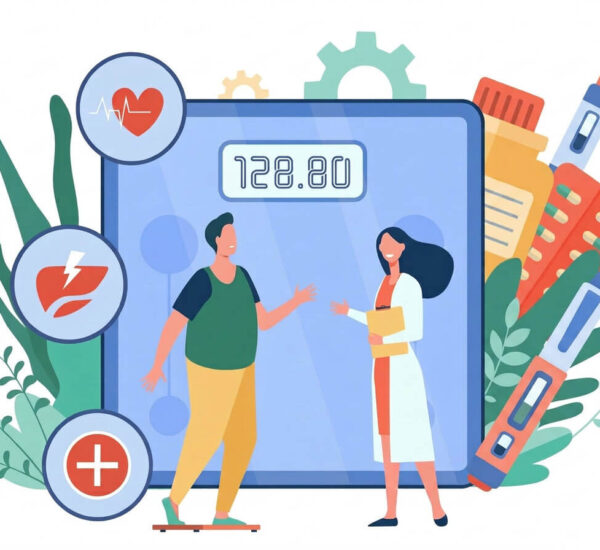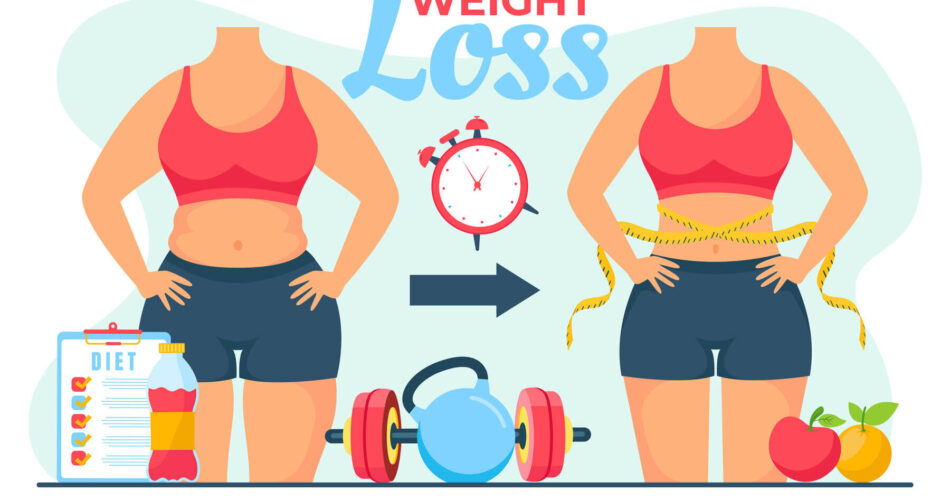
Living with obesity has been a common occurrence, which WHO have identified. According to the World Health Organization there’s 1 out of 7 people identified to have obesity. Despite this chronic condition diagnosis, doctors still consider it treatable and manageable through an effective weight loss journey. A doctor’s help can make a huge difference by combining lifestyle changes and medical treatment approaches.
Your weight loss journey works best with a steady and consistent routine, which weight loss management doctors can help you with. In this guide, let’s discuss how to identify the cause of weight gain, when to seek a doctor consultation, and what lifestyle changes and medical treatment suits you. Let’s begin!
What Is a Healthy Weight Loss Journey?
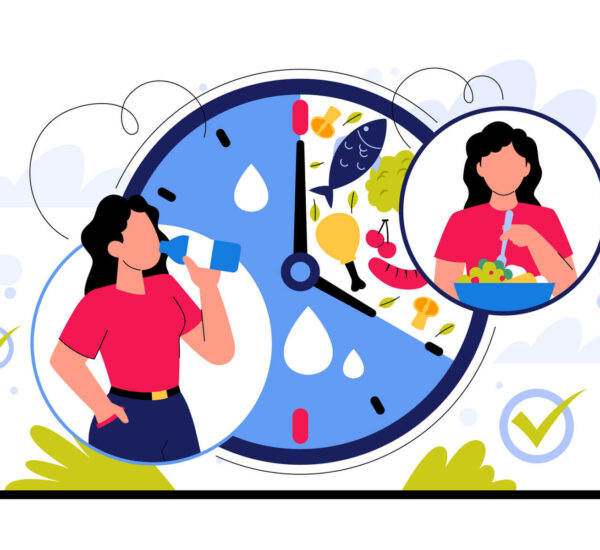
A healthy weight loss journey includes consuming a well-balanced diet, performing physical activities to strengthen your body, and knowing what your body needs. These are the approaches that people should follow ideally. However, most don’t follow it, resulting in muscle mass loss, getting weaker, or not losing weight at all.
Your weight loss journey should not compromise your overall health. Most people tend to do extensive shortcut approaches, such as crash diets, skipping meals, or not eating at all. These techniques can result in immediate weight loss, but will also increase your weight gain soon enough. Furthermore, using such tactics can affect your health due to lack of nutrients that your body needs on a daily basis. By not properly cutting off your food intake, your health suffers the most.
Discover how the body fights back to sudden weight loss due to hunger hormones in this related article.
Common Causes of Weight Gain
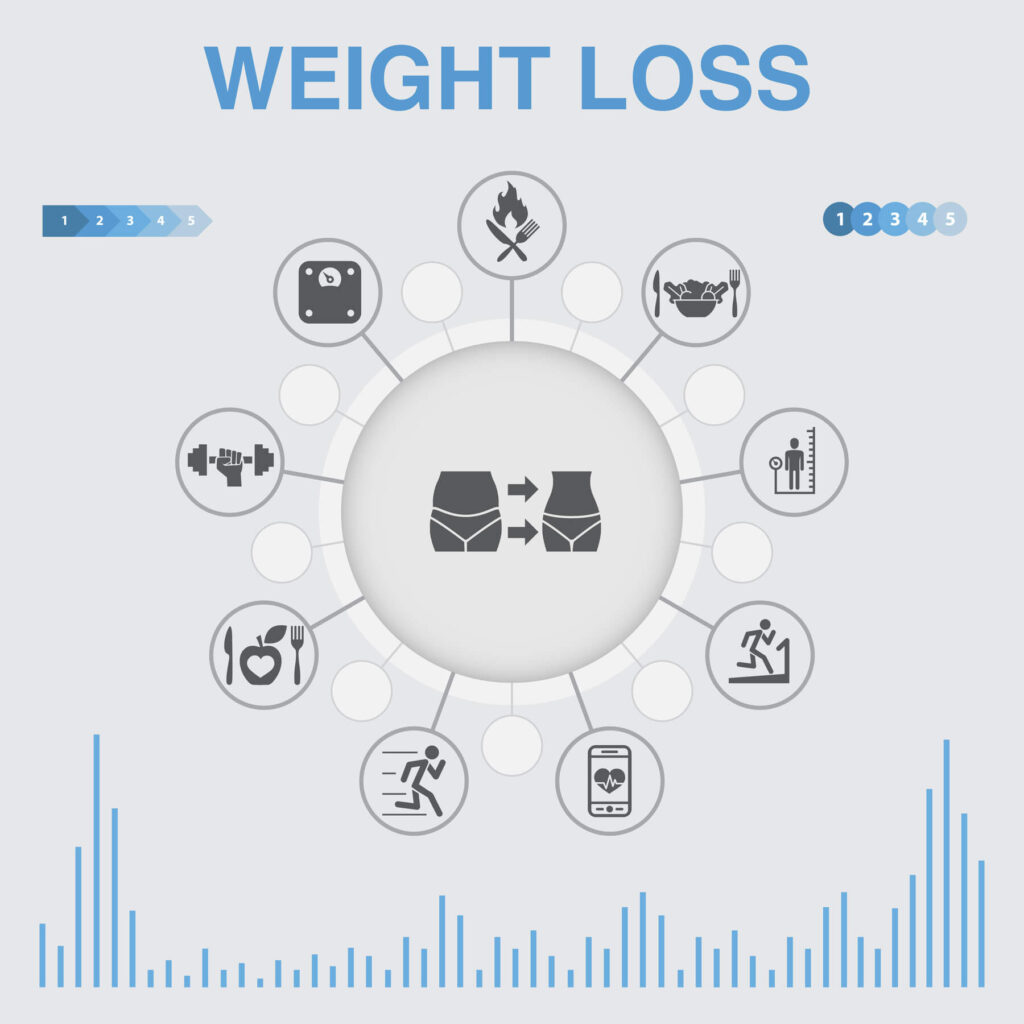
There are different reasons why a person can gain weight. It can be as simple as poor physical activity, consumption of food, or a resulting factor of health conditions. Whether or not you have identified your cause of weight gain, doctors can also find other contributing factors that you didn’t know.
Doctors usually look at these causes of excess weight:
- Eating more than you burn: When the number of calories you eat stays higher than what your body uses, the extra is stored in fat cells as body fat. Large portion sizes and sugary foods add up fast.
- Low physical activity: Desk jobs, long commutes, and hours on the phone leave little room for physical activities.
- Lack of sleep: Short sleep raises hunger hormones, which makes late-night snacking more likely.
- Stress: Long periods of stress push many people toward comfort food and away from healthy habits.
- Related health conditions: Hypothyroidism, polycystic ovary syndrome (PCOS), and insulin resistance can slow your metabolism or change how your body stores fat.
- Medicines: Some medicines, such as steroids and certain antidepressants, can raise your appetite or cause weight gain.
- Age and genes: You lose muscle mass as you get older, and family history affects how easily you gain weight.
If you’re suffering from PCOS/PMOS, you’ve also suffered from PCOS belly and weight gain. Check how this guide can help you seek a doctor.
Lifestyle Changes to Start Your Weight Loss Journey
One of the most effective ways to start your weight loss journey correctly is through lifestyle changes. It often targets your poor habits, changing them to help you take care of your body better.

Set Realistic Weight Loss Goals
Most people tend to get overly excited when they start their weight loss journey leading them to target unrealistic goals. These goals often lead them to feel burnout, do shortcuts, until they stop doing anything at all due to difficulty in achieving it. That’s why it is crucial to set a measurable goal that you can do.
Simple, yet achievable goals can be like these:
- reach 10K steps per day
- eat more vegetables per meal
- cook healthy recipes for meals daily
- drink more water than sodas and juices
Read this related article about diet plans for weight loss to determine what can be your goal to lose weight effectively.
Build Healthy Eating Patterns and Habits
Aside from changing your poor habits, you can also start and fix your diet. One of the causes of your weight gain is the food you eat. By filling your plate with a balanced meal, it can make a huge change in your satiety. Thus, allowing you to not feel hungry most of the time.
DOST-FNRI launched the Pinggang Pinoy guide where they identified the best plates per life stage (kids, teens, adults, older persons, pregnant and lactating). Follow Pinggang Pinoy, the DOST-FNRI food guide, which fills half your plate with vegetables and fruits, about a third with rice or whole grains, and the smallest part with fish, lean meat, or tofu.
NOTE: You can also consult with a diet and nutrition doctor if you prefer fewer calories and healthier food options.
Learn more about the application of Pinggang Pinoy in your meal plate to lose weight with this guide.
Add Regular Physical Activity
Adults need at least 150 minutes of moderate-intensity physical activity a week, based on the World Health Organization’s physical activity guidelines. Brisk walking, cycling, and dancing all count, so choose physical activities you enjoy.
Add strength training or resistance training, like squats or resistance bands, a few days each week. More muscle mass raises the number of calories your body burns, even at rest.
Get Enough Sleep and Manage Stress
Poor sleep and constant stress make every other step harder. It can make you feel more overwhelmed or be too tired to achieve your physical goals. In that case, it can lead to lesser physical activities. Furthermore, there are cases wherein people who are stressed and sleep less tend to binge eat. Thus, affecting your weight loss journey resulting in weight gain.
If sleep stays out of reach, you can reach out to sleep doctors on NowServing.
Why Lifestyle Changes Alone May Not Be Enough
Doctors for weight management are looking not just on the surface, but also the deeper root cause of their patient’s weight gain. That’s why their weight loss treatment doesn’t just involve lifestyle changes, but also other forms, like proper meals, medication, and surgical approaches.
Of course, these other approaches are not suitable for everybody as there are different causes of weight gain. For instance, a patient with severe obesity may need medication than people with lesser body mass index (BMI). Furthermore, some people may require surgical procedures because the initial forms of treatments don’t work for them. Moreover, there are cases wherein people’s weight gain are caused by other chronic conditions, so doctors should manage them as well aside from your weight gain.
If you’re unsure of what approaches to take for your weight management, don’t hesitate to visit a weight management doctor.
Medical Treatment Options for Weight Loss
Doctors treat obesity like other chronic diseases, with a plan that can go beyond diet and exercise. Every option below still works alongside healthy eating and regular physical activity.
Medically Supervised Weight Management
A doctor-guided program pairs a structured eating plan and behavior changes with regular check-ups and support from a registered dietitian. The plan changes as your health does, keeping you on track for sustainable weight loss.
Prescription Medicines for Weight Management
There are prescription medicines your doctor may prescribe for weight management. Not everyone qualifies, and the doctor decides based on your health history, your other medicines, and possible side effects.
Learn more about prescription medications available in the Philippines, like semaglutide and tirzepatide.
Weight Loss Surgery
For severe obesity with related health problems, a doctor may discuss bariatric surgery for weight reduction. This form of surgical procedure is often recommended by doctors if the other forms of treatments didn’t work.
When to See a Doctor During Your Weight Loss Journey
Consider seeing a doctor if healthy habits have not changed your weight after several months. Go sooner if you have chronic conditions like diabetes, high blood pressure, heart disease or a thyroid problem.
Prepare for your first weight loss consultation by reading our what to expect at a weight management consultation guide.

How to Book a Weight Management Doctor on NowServing
Booking a doctor for weight loss management should be one of your priorities if you want to ensure a healthy weight loss journey. Doing so will allow you to see your cause of weight gain, and be supervised by doctors on how to properly manage them. If you’re interested in setting a doctor consultation on NowServing, here’s a simple rundown of steps that you can follow.
- Open the NowServing app and find weight loss management in the list of services
- Browse the list of doctors offering weight loss management
- Select your preferred doctor and schedule an in person or online consultation
- Pay for the consultation if you’ve selected online consultation. For in-person consults, pay the fee to the doctor’s secretary
You can also book a weight loss management consultation by accessing this link directly.
Frequently Asked Questions (FAQs) About the Weight Loss Journey
How do I start my weight loss journey?
Start with one particular goal, like a balanced Pinggang Pinoy plate or daily brisk walking. Add resistance training and other steps once those feel easy, and see a doctor if you have medical conditions like diabetes or high blood pressure.
How long does a weight loss journey take?
The timeline depends on your starting point and your health. Avoid unrealistic goals and let your doctor set a pace for sustainable weight loss.
Which doctor should I see for weight loss?
Start with an endocrinologist or an obesity medicine specialist if you suspect a hormone problem. A registered dietitian can then help you build healthy eating habits for the long term.
Do I need medicine to lose weight?
Most people start with lifestyle changes. Prescription medicines are an option for some patients only, and the doctor decides whether they fit your health.
Conclusion
A healthy weight loss journey starts by knowing what your body needs. You can affirm that by consulting a doctor for weight loss management. This doctor can help you plan the best treatment for your weight loss journey, such as lifestyle changes, medication, or surgery.
Are you ready to talk to your doctor? Book a weight loss management consultation with a NowServing doctor. You can also start with an online assessment where a doctor reviews and evaluates you.
Start an online assessment for weight management on NowExpress.
References:
World Health Organization, Obesity and overweight fact sheet, 7 October 2026, Key facts
DOST-FNRI, DOST-FNRI History: Pinggang Pinoy for different population groups (Facebook post), 24 February 2024
World Health Organization, Physical activity fact sheet, 26 June 2024
Harvard Health Publishing, Why stress causes people to overeat, 15 February 2021