
There are protocols that health experts do to ensure a successful surgery of their patients. At the same time, you as their patient must follow the essential guidelines for your sake. In that case, getting a cardiopulmonary clearance for an invasive procedure like surgery is a must. However, not all conditions with a treatment method of surgery require this medical clearance. Only a few selected conditions for preoperative evaluations are considered due to possible cardiac and pulmonary risk.
Understanding this protocol will ensure your safety as it can lead to the best possible outcome for your surgery. So, if you’re suffering from chronic conditions and other types of health risks, it’s best to identify if getting a cardiopulmonary clearance applies to your case. Discover the common conditions for preoperative evaluations and the reason behind this clearance. Let’s begin!

What is A Preoperative Evaluation?
Preoperative evaluation or perioperative evaluation is composed of comprehensive surgical clearance evaluations before surgical procedures. It is a crucial medical assessment for identifying potential risks and optimize patient outcomes. Think of them as your medical team’s way of creating a safety net – they want to know exactly how your body will respond to the stress of surgery and anesthesia.
For many Filipino families, these evaluations might seem like unnecessary expenses or delays. However, they serve a critical purpose: preventing complications that could turn a routine surgery into a life-threatening situation.
Discover more about the importance of preoperative evaluation for the heart and lungs in this guide about cardiopulmonary clearance.
Preoperative Evaluation vs CP Clearance
While both services target the need to assess the patient’s health before a surgical procedure, it’s best to understand that preoperative evaluation covers more. CP Clearance, meaning Cardiopulmonary Clearance, focuses more on the cardiac and pulmonary health aspect, while the other covers the whole health of the patient. In short, it is a form of preoperative evaluation that doctors use to evaluate the heart and lung health of their patients.
Learn about what is cp clearance in medical terms here
When is Cardiac Clearance Needed?

As mentioned, there are several surgeries that don’t require this medical clearance. However, you can categorize those as minimal procedures. Most cases that require patients to undergo health assessment are when they have major surgical procedures.
Here are some of the heart conditions for preoperative evaluation:
Coronary Artery Disease
Coronary artery disease remains one of the most common conditions requiring extensive preoperative evaluation. This condition occurs when the blood vessels supplying your heart muscle become narrowed or blocked by plaque buildup.
Why CP clearance matters: During surgical procedures, your heart works harder to pump blood and maintain circulation. If your coronary arteries are already compromised, this additional stress can trigger heart attacks or dangerous irregular heart rhythms.
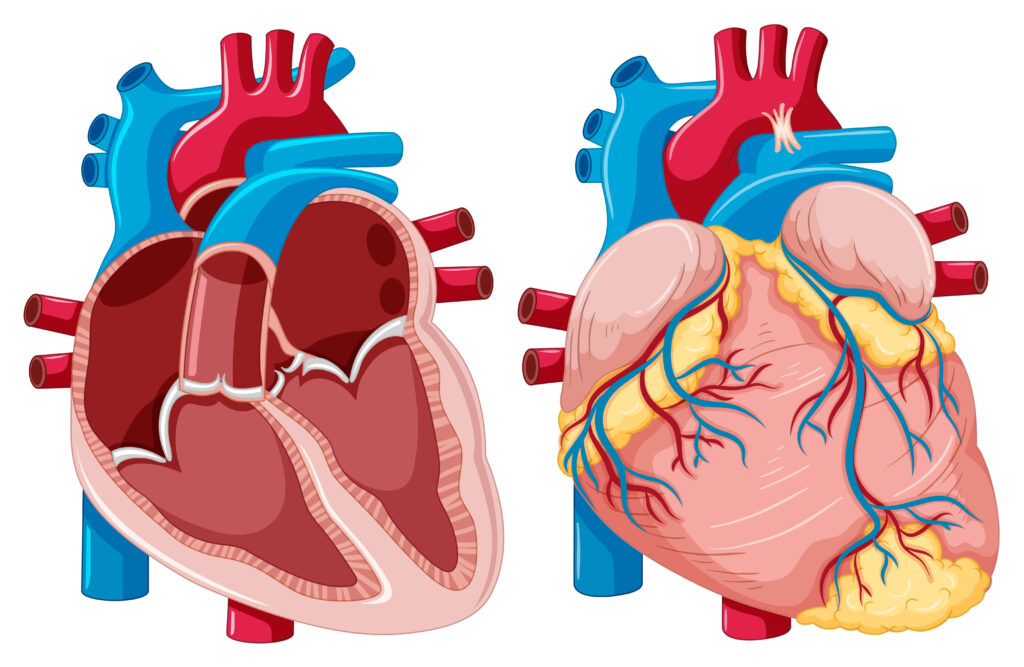
Congestive Heart Failure
Another condition that commonly needs surgery and CP clearance is heart failure. A heart failure doesn’t mean your heart stops working – it means your heart can’t pump blood effectively enough to meet your body’s needs. This condition significantly increases perioperative risk and requires careful evaluation before any surgical procedure.
Types of Heart Failure Affecting Surgical Decisions:
- Systolic Heart Failure (Reduced Ejection Fraction) – The heart muscle becomes weak and can’t contract forcefully enough to pump adequate blood. This type often results from previous heart attacks or long-term high blood pressure.
- Diastolic Heart Failure (Preserved Ejection Fraction) – The heart muscle becomes stiff and can’t relax properly to fill with blood. This type is increasingly common in Filipino patients with diabetes and hypertension.
Why CP Clearance matters: Possibilities of complications can occur such as fluid accumulation, blood pressure fluctuations, etc. That’s why it’s best to check if the patient’s current health can handle an invasive procedure to manage heart failure.
Valvular Heart Disease
Heart valves act like one-way doors, ensuring blood flows in the correct direction through your heart. When these valves become diseased, they can either fail to open properly (stenosis) or fail to close completely (regurgitation). If not managed, it can lead to other complications and heart health(e.g., heart failure, enlarged heart, etc.).
This condition is often recommended for surgery to manage and correct the blood flow. In this case, a thoracic surgery is involved to repair the heart valves.
Why CP Clearance matters: Aside from knowing the complications that the condition can bring, ensuring that the patient is also ready for surgery matters. That’s why it is essential to get a cardiopulmonary clearance to lessen surgical complications like cardiac arrest and excessive bleeding during the surgery.
When is Pulmonary Clearance Needed?

On the other hand, your lung health also needs monitoring before a surgery. Just like the heart, your lungs can suffer greatly due to stress and risks brought by the surgery. In short, it’s best to determine if your lungs are in great shape to help you survive.
Here are the common medical conditions affecting the lungs for preoperative evaluation:
Chronic Obstructive Pulmonary Disease (COPD)
Chronic obstructive pulmonary disease represents a group of lung conditions that make breathing increasingly difficult. This disease is irreversible, and can worsen if not managed properly. Doctors don’t automatically recommend surgery as treatment, but will be considered if previous forms of treatment won’t work.

There are 2 types of conditions that comprises COPD:
- Emphysema – A lung disease that often leads to difficulty in breathing. It is a chronic condition that affects the alveoli.
- Chronic Bronchitis – It is a life-long illness of the lungs that inflames the bronchial tubes. Patients with this condition experience constant coughing and developing mucus.
Why CP Clearance matters: Conditions like this need intricate surgery like Bullectomy and LVRS, which can provide more air flow. It involves removing tissues to further improve the lungs health. In this case, risk of pulmonary complications can occur if the lungs can’t handle the stress of surgery. Thus, the need for medical clearance matters.
Pneumonia
Meanwhile, another pulmonary condition that may require surgery treatment and cardiopulmonary clearance is pneumonia. This condition only requires surgery if it worsens. Commonly, it can be managed through prescribed medicines and proper rest. However, complications may arise that can affect the lung function. Thus, restricting normal breathing of patients.
A surgery is needed if there’s a pus that needs to be drained as it can lead to further infection. At the same time, there can be damaged tissues in the lungs that need to be removed. So, surgery is a must when the situation requires it.
Learn more about pneumonia here.
Why CP Clearance matters: Aside from the functional status of the lungs, your doctor will recommend you to get a CP clearance to help determine the next best step for your treatment. Commonly, you’ll undergo a series of laboratory tests like pulmonary function testing, x-ray, etc. If the test results show possible medical problems that can arise, it’s best to not proceed with the surgery.
Pulmonary Hypertension
Pulmonary hypertension commonly occurs if there’s a blockage in the pulmonary arteries. When this happens, the pumping of blood increases just to help circulate the blood into the lungs. Thus, pulmonary high blood pressure occurs.
If you have this condition, you can experience constant shortness of breath. Normally, it can be managed through medications and good lifestyle practice. However, certain cases can result in surgical procedures to manage the problem. A common case of pulmonary hypertension that requires surgery is CTEPH due to scarring in the arteries that lead to restricted blood flow.
Why CP Clearance matters: In this case, removal of the scarring can be an intricate move for the surgical team. Problems may arise during the surgery, so it’s best to ensure that your lungs and heart are in good health for a smooth sailing procedure. At the same time, a possibility of major surgery can occur like lung transplant if the situation calls for it. So, determining your health is crucial before a surgery.
Discover how you can get your cardiopulmonary clearance via virtual or in-person consultation.
High-Risk Surgical Procedures That May Need Cardiopulmonary Clearance
Certain types of surgery carry inherently higher cardiovascular risks and almost always require cardiopulmonary clearance. That’s why for better management of patients, doctors recommend this medical clearance for the following surgeries.
- Major Vascular Surgery – Surgeons use this type of surgery to manage blood vessels-related conditions, which can be critically invasive. It is highly recommended to get a CP clearance as it can provide increased risks and challenges to the patient’s health during the surgery.
- Thoracic Surgery – Operations involving the chest cavity place significant stress on both heart and lungs, making comprehensive preoperative preparation and evaluation essential.
- Emergency Surgery in High-Risk Patients – Even when time is limited and emergency procedures are needed, rapid cardiac assessment becomes crucial for patients with known heart disease.
- Prolonged Operations – Surgeries lasting more than three hours increase cardiovascular stress regardless of the body system involved.
Other Risk Factors Requiring Preoperative Evaluation
- Age-Related Considerations – While age alone doesn’t disqualify someone from surgery, elderly patients who are over 65 generally require more comprehensive cardiovascular evaluation, especially given the higher prevalence of undiagnosed heart disease in older Filipino adults.
- Multiple Medical Conditions – High risk patients with diabetes mellitus, hypertension, and kidney disease face compounded surgical risks requiring careful preoperative assessment.
- Medication Considerations – Certain medications, particularly blood thinners and heart medications, require careful management around surgical procedures.
Frequently Asked Questions
What are the CP Clearance requirements for preoperative evaluation?
Commonly, patients who need CP clearance or cardiopulmonary clearance are required to undergo certain assessments. Some of the usual screening tests are the following::
- ECG
- X-ray
- stress test
- Other laboratory tests
Learn more about the requirements for getting a cardiopulmonary clearance with this complete guide here.
How long does the preoperative evaluation process typically take?
The timeline for preoperative evaluation varies depending on your specific health conditions and the complexity of your planned surgery. For straightforward cases, the process might take 1-2 weeks. However, if significant heart or lung conditions are discovered that require optimization, the process could extend to 4-6 weeks or longer.
When should I undergo cardiopulmonary clearance?
It’s best to get your CP clearance 2-4 weeks before your scheduled major surgery. Feel free to follow this comprehensive guide to determine how to get one in the Philippines.
Can I have surgery if I have heart disease?
Having heart disease doesn’t automatically disqualify you from surgery, but it does mean you need specialized care and preparation. Many patients with well-controlled heart conditions undergo surgery successfully every day. The key is evaluating your heart function before the procedure to ensure your safety and success of the surgery.
Your medical team will assess several factors: the severity of your heart condition, how well it’s currently controlled, the urgency of your surgery, and the specific risks associated with your planned procedure. Sometimes, treating your heart condition first makes subsequent surgery much safer.
What is the role of anesthesiologist for a preoperative evaluation?
Aside from a cardiologist and pulmonologist, seeking an anesthesiologist is a must when getting a cardiopulmonary clearance. The role of this specialist lies in choosing the anesthetic technique that fits your pulmonary and cardiac health. At the same time, they assess your health for potential risks to avoid complications in the upcoming surgery.
Are there any heart conditions that make surgery too risky?
Very few heart conditions make surgery absolutely impossible, but some do require extensive preparation or alternative approaches. Conditions like severe, unstable heart failure, recent heart attacks, or certain types of irregular heart rhythms might require stabilization before elective surgery can proceed safely.
In emergency situations, even patients with serious heart conditions often need surgery, but they require specialized anesthetic management and intensive monitoring. Your medical team will always work to find the safest approach for your specific situation.
What happens if my assessment shows that my health is not ready for a surgery yet?
When getting a cardiopulmonary clearance, you’ll undergo a series of preoperative assessments like physical examination, pulmonary tests, ECG, etc. If you’re not guaranteed for a surgery, it only means that a need for further evaluation is needed. It is normal, especially if your surgery is a crucial part of your treatment. Your doctor must decide on what to do first to help your body and overall health ready for surgery.
Conclusion
It is important to understand the conditions for preoperative evaluations or when your health warrants a cardiopulmonary clearance to proceed with a major surgery. That way, you can protect yourself from possible complications during the procedure and avoid the risk of postoperative complications.
Ready to start your preoperative evaluation or need a second opinion about your pulmonary and cardiac risk? Book a consultation with a specialist on NowServing, and take the first step toward a safer surgery!
Do You Need Cardiopulmonary Clearance Before Surgery?
Take this quick, interactive quiz to learn the facts! Score 80%+ for a NowServing badge and instant tips. Questions cover typical clearance requirements for cardiac, pulmonary, and general preoperative risk.