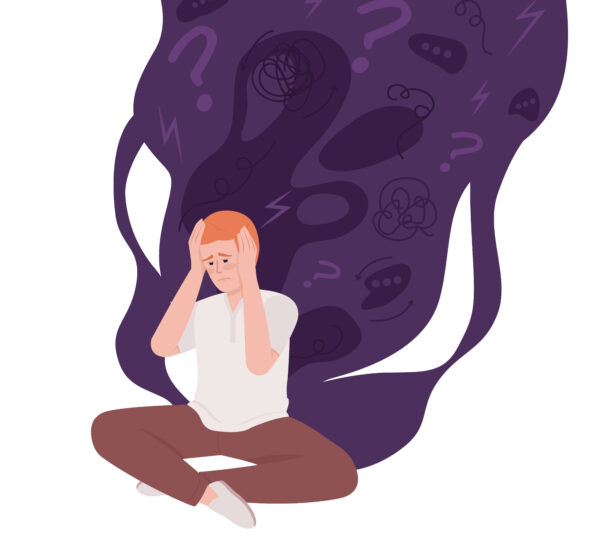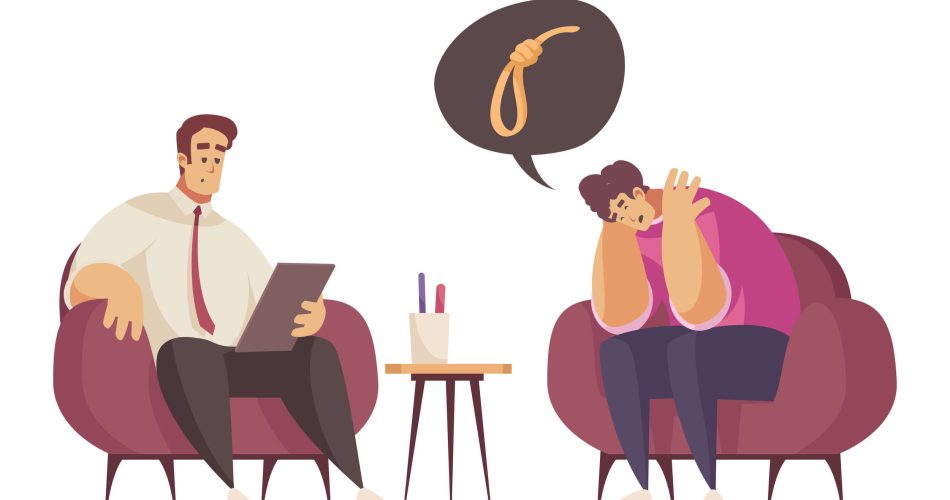
A passive suicide ideation rarely announces itself, and that is exactly what makes it dangerous. The Philippine Statistics Authority recorded 3,379 deaths from intentional self-harm in 2024, up from 3,133 the year before. Behind many of those numbers were quieter thoughts that nobody caught in time. Find out what these thoughts sound like, why doctors take them seriously, and where to get help in the Philippines.
What Is Passive Suicide Ideation?
Passive suicidal ideation describes thoughts of death or of not wanting to be alive that arrive without a plan to act on them. Someone in this state does not picture a method or a date.
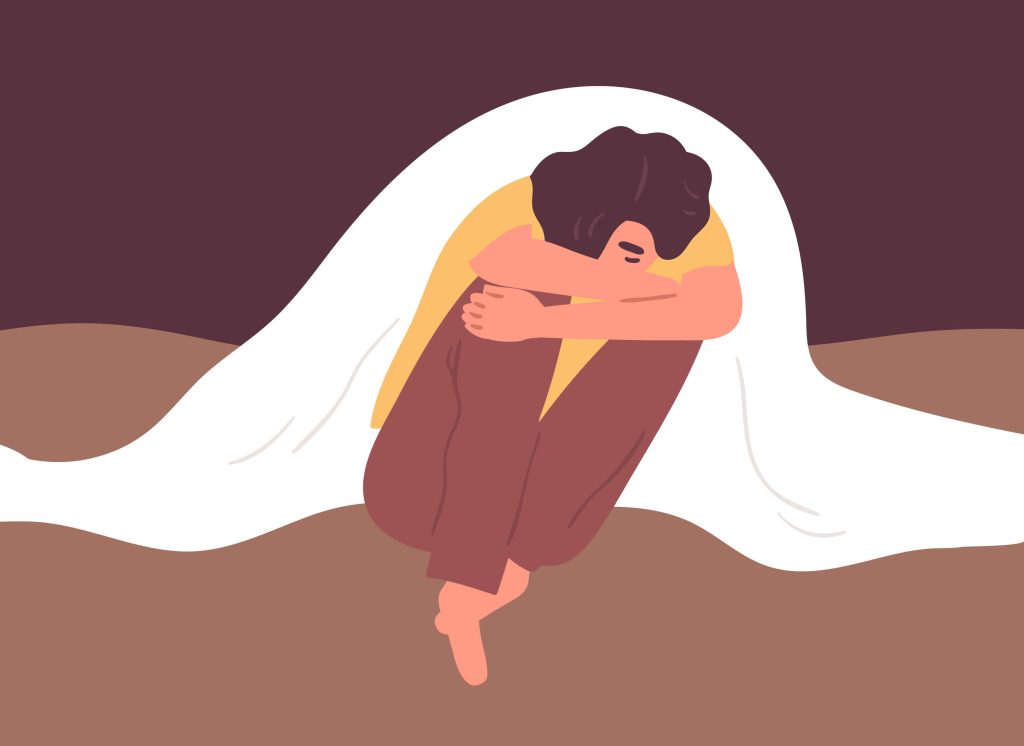
Doctors do not treat passive suicidal depression as a formal diagnosis. It is a symptom that shows up across several mental health conditions, and it deserves the same attention as any other symptom that will not go away.
Difference Between Passive Ideation and Active Suicidal Ideation
Doctors sort suicidal thinking into two forms based on whether a plan exists. Knowing which one you are looking at changes how urgently someone needs help, though the line between them is thinner than most people assume.
Passive Ideation
Wanting to disappear, wishing not to wake up, or feeling that life would be easier for everyone if you were gone all fall under passive ideation. There is no intent and no method. The person is not planning to end their own life. They have simply stopped wanting to continue it.
These thoughts tend to surface at predictable moments, such as lying awake at two in the morning, after a fight at home, or on the commute to a job that has stopped mattering. Most people carry on with the day afterward and tell nobody.
Active Ideation
The active form adds intent. Someone experiencing it has thoughts of suicide paired with a specific plan, a method, or a timeline, and Cleveland Clinic notes that this usually requires emergency treatment. Warning indicators include giving away valued belongings and writing a note.
NOTE: Passive suicidal thoughts can escalate into active ones within days, especially when a new stressor lands on someone already struggling. That is why passive ideation is never something to wait out.

Signs of Passive Suicidal Ideation to Watch For
Recognizing passive suicidal thoughts means listening to what someone says about the future rather than what they say about dying. People rarely use the word suicide. The National Institute of Mental Health lists several warning signs that overlap heavily with passive ideation.
Watch for these in yourself or in someone close to you:
- Talking about wanting to die, or about being a burden to others
- Expressing great guilt or shame
- Feeling empty, hopeless, trapped, or having no reason to live
- Withdrawing from friends, or saying goodbye in ways that feel final
- Sleeping or eating far more or far less than usual
- Using alcohol or drugs more often
- Losing interest in plans that used to matter
Any one of these can appear on a hard week, and the concern rises when several show up together or when the behavior is new. A sudden calm after a long stretch of distress deserves the same attention, since that shift sometimes signals a move from passive thoughts to a decision.
Anxiety travels with these thoughts often enough that it is worth reading this guide on the symptoms of anxiety. If the signs above describe you, find doctors who treat depression, anxiety, and mental health concerns before the thoughts settle in further.
Read this related article about anxiety treatment, especially if you notice these behavioral changes in someone you love.

Risk Factors Behind Passive Suicidal Thoughts
No single cause explains why passive suicidal thoughts appear. Contributors often are a mix of biology, circumstance, and diagnosis, which is why two patients with similar symptoms can have very different histories.
These are the risk factors doctors ask about most often:
- Mental health conditions: Depression, anxiety disorders, bipolar disorder, and psychosis all raise the risk of suicidal thoughts.
- Substance use: Alcohol and drug use lowers inhibition and deepens feelings of hopelessness.
- Family history: A family history of suicide or mental illness increases vulnerability.
- Negative life events: Job loss, financial collapse, bereavement, and relationship breakdown often precede the first thoughts of death.
- Chronic pain or illness: Long-term physical suffering wears down a person’s reasons to keep going.
- Age: The World Health Organization reports that suicide is the third leading cause of death among 15 to 29 year olds worldwide.
- Isolation: Living far from family, a common reality for overseas Filipino workers, removes the daily contact that usually catches early warning signs.
Stigma adds a Filipino layer to all of this. Many patients delay seeking mental health support because they expect to be told they are simply overthinking, so the thoughts go unspoken for months.
Distance from home changes what support looks like too, so read this guide on mental health for Filipinos abroad.
How Mental Health Experts Assess Suicidal Ideation
Assessment starts with a conversation, not a form. A psychiatrist or psychologist asks directly about thoughts of death, how often they arrive, and whether any plan has taken shape.
- Asking the question does not plant the idea. Decades of clinical practice show the opposite, and most patients feel relief when someone finally names what they have been carrying.
- Structured screening tools follow that conversation. The PHQ-9 depression questionnaire and the Columbia Suicide Severity Rating Scale help separate passive ideation from active ideation and guide the level of care needed.
- A full assessment also reviews substance use, medical history, medication, and support at home. These types of suicide ideation assessments exist to build a plan of action, not to label anyone, and nothing you say gets shared with your family or employer without your consent.
Book a psychological assessment on NowServing if you want a formal evaluation before starting treatment.
What to Do When Passive Suicidal Thoughts Appear
Telling one person is the first step, and it is the hardest. A trusted friend, a sibling, or a colleague breaks the isolation that keeps these thoughts running.
From there, the next steps are practical. Work through them in order:
- Tell someone you trust what you have been thinking, using your own words.
- Call the National Center for Mental Health Crisis Hotline at 1553, or 0917-899-8727 for Globe subscribers, available 24 hours a day.
- Book a consultation with a psychiatrist or psychologist within the week.
- Build a safety plan with your doctor that lists your triggers, your coping strategies, and the people you will contact.
- Remove immediate means of harm from your home with help from a family member.
A safety plan is a written document, not a promise. Patients keep it on their phone so the next steps are already decided when thinking gets difficult.
Coping strategies work best when they are specific. Walking a fixed route, messaging one named person, or attending a scheduled therapy session beats a vague plan to stay positive.
Learn how burnout can also affect other’s mental health and how you can help them in this guide.
How to Support Someone Showing These Signs

Offering assistance to someone with passive suicidal thoughts starts with asking a plain question and staying quiet afterward. “Are you okay?” This subtle question opens all doors, which can help someone to seek help. Sometimes this nudge won’t be enough, so you can try to reassure them of your genuine care, hoping this will be enough for them to open up and seek help.
Meanwhile, regular check-ins from family members are one of the strongest protective factors against escalation. Do not agree to keep it secret if the person describes a specific plan, since that situation calls for immediate professional help.
When you find yourself in a difficult situation, you can also help by recommending logistics like online mental health consultations. You can also accompany them to the nearest emergency medicine care for immediate professional help if there are suicide attempts.
Wondering how you can provide help in some other ways? Try gifting them a mental health gift card for mental health consultations on NowServing.
Treatment Options for Passive Suicidal Ideation
Mental health treatment addresses the condition underlying the thoughts, and passive ideation usually eases as that condition improves. One approach rarely does the whole job. A safety plan gives you concrete steps for bad days, therapy works on the thinking underneath the symptom, and medication steadies whatever condition is driving it.
Therapy and Medication
Cognitive behavioral therapy teaches patients to catch the thought patterns that feed hopelessness and to replace them with workable responses. Sessions typically run weekly for several months. Most patients notice the thoughts loosening their grip well before they stop entirely, which is the normal pattern rather than a sign the therapy is failing.
Medication comes into play when a diagnosis such as major depression or bipolar disorder is driving the symptoms. A psychiatrist prescribes and adjusts it, and no one should start or stop these drugs alone.
Schedule a CBT for if you know someone with suicidal behavior
When Substance Use Is Involved
Alcohol and drug use makes every other treatment harder to hold. Addiction care runs alongside mental health care rather than after it, so consult an addiction medicine specialist when drinking or drug use is deepening the thoughts.
Check how addiction recovery support and counseling can help you
Note: Passive suicidal ideation in someone under 18 needs a specialist trained for that age group. Book with a child and adolescent psychiatrist instead of a general practitioner.
Listen to the medical perspective of, Ms. Jannah Trixie Cuevas, RPsy, RPM about suicide and other mental health triggers in the newest episode of The NowServing Podcast!
How to Book a Mental Health Consultation on NowServing
Reaching a mental health professional in the Philippines no longer requires a referral or a long queue. NowServing connects patients to licensed psychiatrists and psychologists for online video consultations, often within the same day.
Here is how to book:
- Visit the NowServing psychiatry page or search for a psychologist in your city.
- Choose a doctor based on their schedule, hospital affiliation, and consultation fee.
- Complete the booking form and select your preferred time slot.
- Wait for the doctor to confirm your appointment.
- Join the video consultation from your phone or laptop at the scheduled time.
Consultation fees for psychiatrists in the Philippines generally range from PHP 1,000 to PHP 4,000 per session, depending on the doctor and setting. Many HMO plans cover part of this, so check your coverage before booking.
For NowServing users that received a NowServing Care Gift Card, you can use that to book a mental health doctor anytime. Learn more how you can use it in this guide.
Frequently Asked Questions (FAQs) About Passive Suicide Ideation
What is the passive suicidal meaning in simple terms?
Passive suicidal ideation means having thoughts of death or of not wanting to be alive, without any plan to act on them. A person might wish they would not wake up, or feel that others would be better off without them. It is a symptom that needs professional attention, not a passing mood.
Is being passively suicidal dangerous?
Yes. Passive suicidal thoughts can shift into active ideation with a specific plan, sometimes quickly, and that shift carries a high risk of suicide. Treating the thoughts early is far safer than waiting to see whether they pass, and early care usually means outpatient therapy rather than admission.
Can passive suicidal thoughts happen without depression?
They can. Chronic illness, grief, substance use, and severe stress produce these thoughts in people with no diagnosed mental illness. A mental health assessment identifies what is driving them, which is why the first consultation covers your physical health and living situation alongside your mood.
Where can I get help in the Philippines right now?
Call the National Center for Mental Health Crisis Hotline at 1553, or 0917-899-8727, any time of day. For ongoing care, book a consultation with a psychiatrist or psychologist through NowServing. You can also visit the nearest hospital or clinic for immediate medical help when there’s a suicide attempt.
Conclusion
Passive suicide ideation is easy to miss because it sounds like tiredness rather than crisis. Learning what those thoughts sound like, in yourself or in someone you love, is what turns a missed signal into a booked appointment.
NowServing gives Filipino patients a direct line to licensed psychiatrists and psychologists without the wait or the paperwork. One consultation is often enough to start. Book a mental health doctor on NowServing and book your consultation today.
If you are in immediate danger, call the NCMH Crisis Hotline at 1553 or 0917-899-8727 at any hour.
This article is for general information only and is not a substitute for professional medical advice, diagnosis, or treatment. If symptoms are severe or getting worse, see a doctor or go to the nearest hospital.