
For Filipino men over 50, prostate cancer symptoms can hide for years. Some of these signs also overlap with BPH or enlarged prostate, like change in urination or have a weak stream. Thus, making consultation with a urologist a must for accurate diagnosis and immediate intervention.
Whether you already experience possible prostate cancer symptoms or need confirmation from doctor, this guide walks through the crucial details you need to know. Discover the early signs, its difference from BPH, and when to seek a doctor on NowServing.
What Is Prostate Cancer?
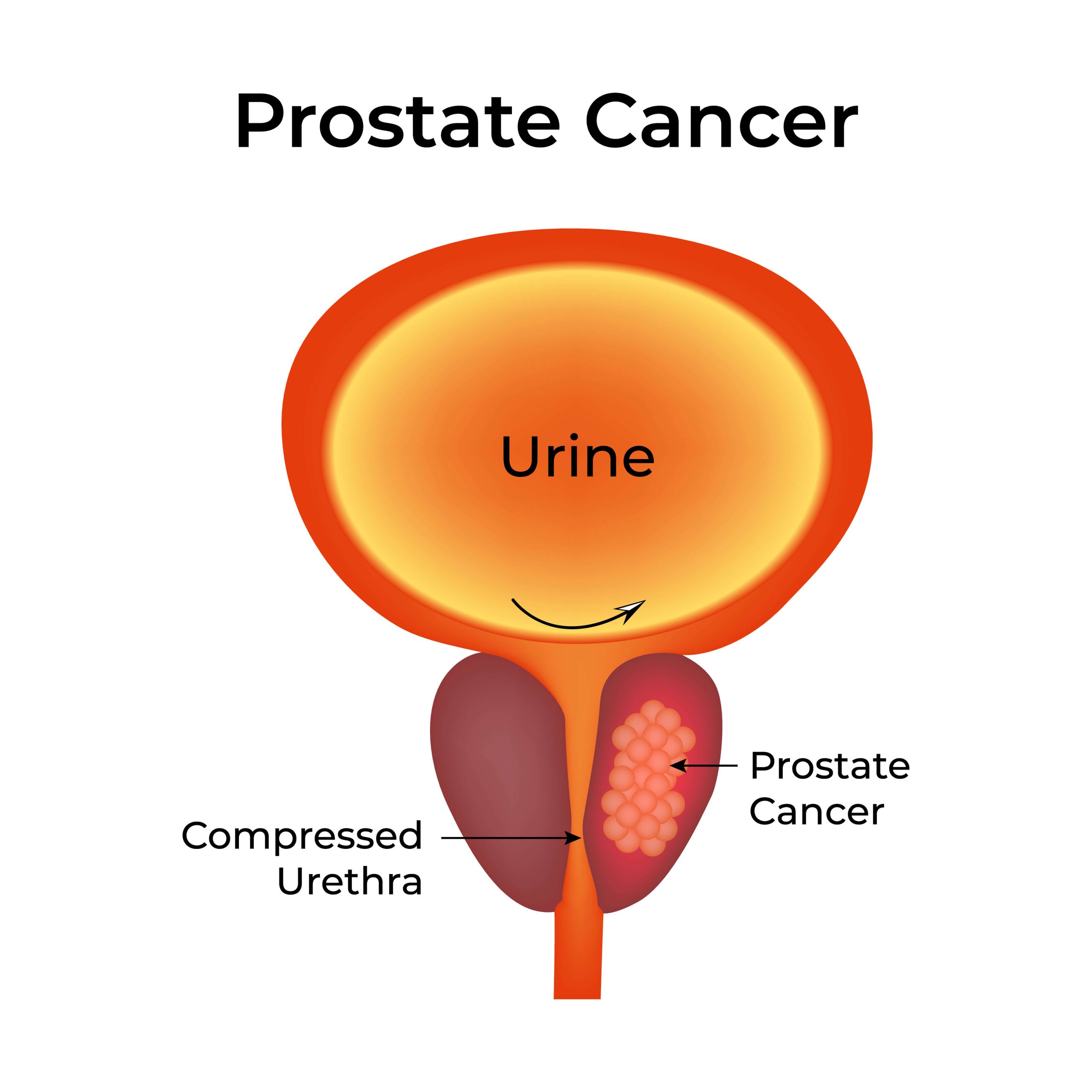
Prostate cancer is a malignant tumor that develops in the prostate gland, the walnut-sized organ that sits below the bladder and surrounds the urethra. Per the Mayo Clinic, most cases grow slowly and stay confined to the prostate for years, while some types grow faster and spread to the bones, lymph nodes, or other organs. The National Cancer Institute confirms that 5-year survival for localized prostate cancer is nearly 100 percent, making early detection the single most important factor in outcome.

The condition is grouped by type and aggressiveness:
- Acinar adenocarcinoma: The most common type, making up over 95 percent of prostate cancers. Develops in the gland cells that produce prostate fluid.
- Ductal adenocarcinoma: A rarer and more aggressive type that starts in the cells lining the ducts of the prostate.
- Transitional cell carcinoma: Starts in the cells lining the urethra and can spread to the prostate.
- Small cell carcinoma: A rare and aggressive form, sometimes related to advanced prostate cancer.
- Common in men 50+: Risk rises sharply after age 50 and is highest in men 65 and older.
Early Signs of Prostate Cancer
During its early stages, prostate cancer often causes no symptoms at all. When symptoms do appear, they almost always involve the urinary tract because the prostate surrounds the urethra. The signs below are the ones doctors look for first.
Changes in Urination
Urinary changes dominate the early prostate cancer symptoms list. As the tumor grows, it presses on the urethra and changes how urine flows. Watch for a noticeably weaker stream, difficulty starting urination, stopping and starting mid-stream, urinary urgency, and getting up two or more times at night to pee. These symptoms overlap heavily with BPH, which is why a PSA or Prostate-Specific Antigen test is needed to tell the two apart. A PSA test is bookable online on NowExpress.
Blood in Urine or Semen
Another sign can be blood in urine or semen. Hematospermia is less specific, but worth checking when paired with urinary changes. Both can come from non-cancer causes too, but neither should be ignored. Even if it only happened once, it signals a visit to a urologist
Pain or Discomfort
Burning sensation with pain during urination or ejaculation is less common in early prostate cancer but can occur. Discomfort in the pelvic area, lower back, or hips that does not have a clear injury cause is another early warning sign. The pain is usually mild at first and worsens over weeks or months.
Advanced Signs of Prostate Cancer
When prostate cancer spreads beyond the gland, the symptoms become more severe and harder to mistake for BPH or other benign conditions. These advanced prostate cancer symptoms always need urgent evaluation.
Bone Pain
According to MedlinePlus, the most common metastasis site for prostate cancer is bone, especially the spine, hips, ribs, and pelvis. Bone metastasis is the most common reason advanced prostate cancer is first diagnosed.
You can look for the following to see if you have bone pain due to prostate cancer:
- new or worsening bone pain that wakes you at night
- does not respond to over-the-counter pain medication
- has no clear injury cause is a strong warning sign.
Unexplained Weight Loss
Sudden weight loss of 5 percent or more of body weight over 6 to 12 months, without dieting or increased exercise, can signal cancer spread. Combined with bone pain or urinary symptoms, unexplained weight loss is a serious sign that needs immediate workup.
Leg Numbness or Weakness
Numbness, tingling, or weakness in the legs can occur when advanced prostate cancer compresses the spinal cord at the level of bone metastasis. Loss of bladder or bowel control paired with leg weakness is a medical emergency and needs hospital evaluation the same day.
Read this related article to understand the stages of cancer of prostate cancer.
Prostate Cancer vs Enlarged Prostate (BPH)
Many men confuse prostate cancer symptoms with BPH (benign prostatic hyperplasia), also known as an enlarged prostate. Both conditions can cause weak urine flow, frequent urination, and difficulty starting or stopping. Telling them apart usually requires testing.
Key differences:
- Cause: BPH is non-cancerous growth of the prostate. Prostate cancer is malignant tumor cells in the prostate.
- PSA level: BPH causes mild PSA elevation. Prostate cancer often causes higher and rising PSA levels.
- Speed: BPH symptoms worsen gradually over years. Prostate cancer symptoms can worsen over months.
- Blood in urine: Uncommon in BPH unless infection is present. More concerning when paired with cancer signs.
- Bone pain: Never caused by BPH. Always investigate when prostate symptoms come with bone pain.
You can read more about BPH-specific care in our guide to enlarged prostate treatment, which covers the four treatment categories for non-cancerous prostate enlargement. The BPH condition directory lists urologists who specialize in distinguishing BPH from prostate cancer during the same workup.
Learn more about PSA levels, the test cost, and its importance for detecting prostate cancer.

When Should Men Get Screened
Prostate cancer screening typically uses two tools: the PSA blood test and the digital rectal exam (DRE). The decision to screen depends on age, family history, and personal risk factors. For Philippine-specific pricing and what to expect, PSA test costs and access in the Philippines is a useful primer before booking.
NIDDK and most urology associations recommend the following screening schedule for Filipino men:
- Age 50: Most urologists recommend starting annual PSA testing.
- Age 40 with family history: Earlier screening if a father, brother, or son had prostate cancer.
- Age 40 in higher-risk groups: Some doctors recommend earlier screening for men of African descent or those with multiple affected relatives.
- Discontinue at 70 or 75: Screening is usually stopped if life expectancy is under 10 years, since slow-growing cancers may never cause harm.
For a deeper dive into how screening works in the local context, see prostate cancer screening in the Philippines.
Book a consultation with a urologist on NowServing for a PSA screening discussion.
How Prostate Cancer Is Diagnosed
A diagnosis starts with a urologist evaluating PSA results, conducting a DRE, and reviewing symptoms. If the workup is suspicious, the next step is imaging followed by a biopsy.
The diagnostic path:
- PSA blood test for baseline and trend
- Digital rectal exam to feel the prostate for lumps or asymmetry
- Multiparametric MRI of the prostate to identify suspicious areas
- Standard prostate biopsy when MRI access is limited, or MRI-fusion biopsy of the prostate for precise tissue sampling from suspicious zones
- Gleason scoring of biopsy tissue to grade the aggressiveness
NOTE: Gleason score (range 6 to 10) and tumor stage together determine the treatment plan. Low-grade cancers may only need active surveillance. Higher-grade cancers may need surgical management including prostatectomy, radiation, or advanced ablation procedures.
See specialists treating prostate cancer on NowServing.
How to Book a Urologist Consultation on NowServing
If you noticed any prostate cancer symptoms or are at an age where screening is recommended, here is how to get checked:
- Open the NowServing app or visit nowserving.ph and search for “urology,” “urologist,” or “prostate.”
- Browse available urologists. You can filter by city, hospital, or availability.
- Choose between an in-person appointment for a DRE and PSA test, or an online video consultation for an initial discussion of symptoms and screening.
- Prepare for your visit. Bring any prior PSA results, family history details, and a list of urinary symptoms with when they started.
For Filipino patients, PhilHealth Z-package covers a portion of prostate cancer surgery and radiation costs. Major hospitals in Metro Manila, Cebu, and Davao now offer the full range of prostate cancer diagnostic and treatment services, including MRI-fusion biopsy and robotic-assisted prostatectomy. For lab tests and imaging with transparent pricing, the NowServing Connected Care partner clinics handle direct booking.
If you are unsure which specialist to see for your specific symptoms, find which doctor to consult for prostate cancer concerns.
Frequently Asked Questions (FAQs) About Prostate Cancer
What are the first signs of prostate cancer?
Earliest prostate cancer symptoms are usually urinary changes: a weaker stream, getting up at night to urinate, difficulty starting or stopping, and urgency. These overlap with BPH, so a PSA test is needed to tell them apart. Many early prostate cancers cause no symptoms at all and are caught only through screening.
Is blood in urine always prostate cancer?
No. Blood in urine can come from urinary tract infections, kidney stones, BPH, or trauma. But it should never be ignored. Blood in urine paired with weak urine flow or rising PSA is a strong signal for a urologist consultation.
How is prostate cancer different from BPH?
BPH is non-cancerous enlargement of the prostate that causes urinary symptoms. Prostate cancer is malignant tumor cells that can spread to bones and other organs. Both can cause similar early symptoms. PSA testing, MRI, and biopsy are how doctors tell them apart.
When should Filipino men get a PSA test?
Most urologists recommend starting annual PSA testing at age 50 for average-risk men. Earlier screening (age 40) is recommended for men with a family history of prostate cancer or other high-risk factors.
What is the PSA test?
PSA stands for prostate-specific antigen, a protein made by prostate cells. The PSA blood test measures the level. Higher levels can indicate prostate cancer, BPH, or prostate inflammation. The trend over time matters more than a single reading.
Can prostate cancer be cured?
Yes, when caught early. Localized prostate cancer has a 5-year survival rate of nearly 100 percent. The cure rate drops when cancer has spread to bones or other organs, which is why early screening matters.
How much does prostate cancer treatment cost in the Philippines?
Costs vary widely. PSA tests run PHP 800 to PHP 2,500. MRI of the prostate costs PHP 15,000 to PHP 30,000. Biopsy ranges from PHP 25,000 to PHP 50,000. Surgery (prostatectomy) ranges from PHP 200,000 to PHP 500,000 depending on the hospital and approach. PhilHealth Z-package covers a portion.
Conclusion
Prostate cancer symptoms are sneaky. Early signs hide behind ordinary aging changes in urination, and many early cases produce no symptoms at all. The men who catch prostate cancer in time almost always do so through PSA screening, not through obvious symptoms.
If you are a Filipino man over 50, or over 40 with a family history of prostate cancer, do not wait for symptoms to start. Find a urologist on NowServing and book a screening consultation. You can consult with a specialist like oncology doctors for cancer-related questions.