Some women only learn they are pregnant during labor, weeks or even months after most others would have noticed. This is called a cryptic pregnancy, and it happens more often than most Filipinos expect. A cryptic pregnancy is a real condition with measurable causes, from irregular periods and PCOS to low hCG levels and certain birth control methods.
If you are planning to get pregnant you might need to know what cryptic pregnancy looks like, why it happens, and how doctors confirm one. This guide covers it all, let’s begin!
What Is a Cryptic Pregnancy?

A cryptic pregnancy is a pregnancy that goes undetected past the first trimester, sometimes until labor begins. They carry without the obvious symptoms most people recognize, like consistent morning sickness, a visible bump, or a positive home pregnancy test.
Doctors call it cryptic because the pregnancy hides from standard detection methods. The term stealth pregnancy is sometimes used for the same situation. Cryptic pregnancy is different from denial of pregnancy, which is a mental health condition where a woman is aware but cannot accept the pregnancy.
The condition is real, documented in medical literature, and not the same as missing a period by a few weeks. Doctors typically classify a pregnancy as cryptic when it is discovered after 20 weeks of pregnancy.
Why Cryptic Pregnancies Happen
Cryptic pregnancies usually trace back to one or more medical, hormonal, or lifestyle factors that mask the typical pregnancy symptoms women would otherwise notice
Low or Atypical Pregnancy Hormones
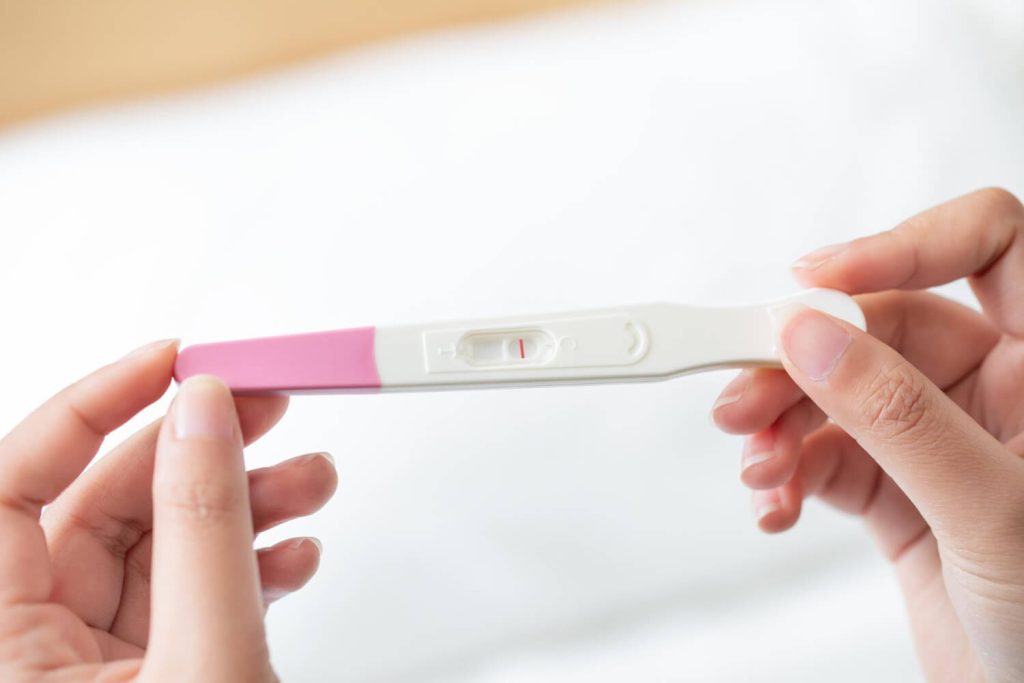
Home pregnancy tests rely on hCG, the pregnancy hormone the body produces during a typical pregnancy. Women with low hCG levels can receive a negative result even when pregnant. A blood test is more sensitive than a urine test for this reason. Repeated negative results despite symptoms call for pregnancy confirmation tests like ultrasound,prenatal consultation, and blood work. A blood pregnancy test (beta-hCG) from NowExpress settles it when home kits keep reading negative.
Hormonal Conditions Like PCOS/PMOS
Polycystic ovarian syndrome is one of the most common reasons a pregnancy goes undetected. Women with PCOS/PMOS often have irregular periods, so a missed period does not feel unusual. The condition also dulls early signs like mild cramping and weight changes. Learn the common signs of PCOS and how they affect fertility.
Continuous Birth Control Use

Birth control pills, hormonal IUDs, and injectables can fail without showing obvious signs. Continuing pills through an unrecognized pregnancy can mask symptoms. Continued use also means many women never think to take a pregnancy test. Compare IUDs and other birth control options with your doctor.
Active Lifestyle and Body Composition
Athletes, highly active women, and those with low body fat sometimes miss the visible cues of pregnancy. Weight gain can be small or hidden by muscle tone or stomach cramps may be mistaken for digestive issues.
Mental Health and Denial of Pregnancy
Stress, trauma, and certain mental health conditions affect how a pregnant person perceives early signs of pregnancy. Denial of pregnancy is a recognized condition where a woman suspects she may be pregnant but rejects the possibility. This delays prenatal care and confirmation. Mental health consultations online can help when denial or anxiety complicates the situation.
How Cryptic Pregnancy Differs from a Typical Pregnancy
A typical pregnancy follows a predictable timeline. Most women miss a period, develop morning sickness within 6 to 8 weeks, and confirm with a positive home pregnancy test.
By contrast, these pregnancies skip or muffle the same signals. Periods may continue or appear as light spotting, morning sickness can be mild or absent, and the bump shows up much later than expected.
Common cryptic pregnancy symptoms:
- Mild or absent morning sickness
- Continued bleeding that mimics irregular periods
- Stomach cramps without an obvious cause
- Lower back pain without obvious cause
- Sudden weight gain or fluid retention
- Fatigue and mood changes
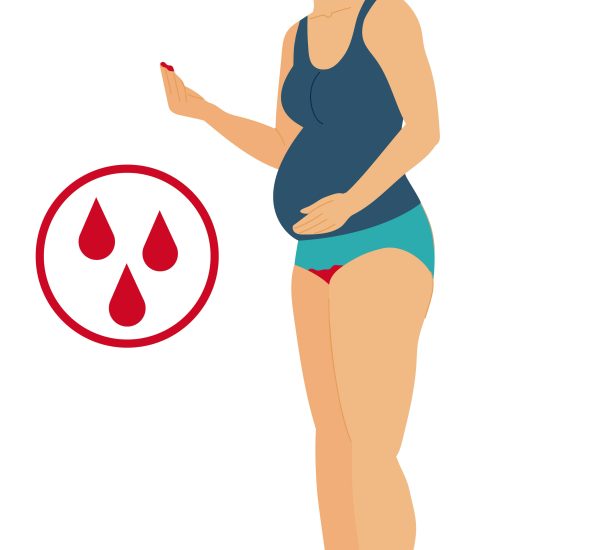
- Abnormal pregnancy bleeding or unusual spotting
The clearest signal is often a series of negative pregnancy tests despite ongoing symptoms. That pattern usually points to low hCG levels or testing too late for urine detection
Read this related article about unusual bleeding during pregnancy or known as pregnancy spotting.
Complications of a Cryptic Pregnancy
Skipping prenatal care during the most critical weeks raises the risk for both mother and baby. Without confirmation, women miss folic acid, prenatal vitamins, and the chance to avoid harmful medications or alcohol.
Late detection also limits screening for conditions like gestational diabetes and preeclampsia. The U.S. National Library of Medicine notes that prenatal care spots health problems early, when treatment is most effective.
The mental health impact is also real. Sudden discovery can trigger shock, anxiety, or postpartum depression, especially when labor follows quickly.
How Doctors Diagnose Cryptic Pregnancy
Doctors confirm a cryptic pregnancy with two tools that are more sensitive than a home pregnancy test.
- Quantitative blood tests: Tests that measure the exact level of hCG in the blood. They catch low hCG that urine tests can miss, even at advanced weeks of pregnancy.
- Ultrasound: It is the most reliable confirmation. A sonogram, transvaginal or abdominal ultrasound can show the developing baby and confirms gestational age when other tests are inconclusive.

How to Book a Pregnancy Test or OB-GYN Consult on NowServing
NowServing makes it easy to confirm a cryptic pregnancy with a board-certified OB-GYN. The platform connects patients with over 32,000 verified specialists who can order blood tests, ultrasounds, and prenatal screenings on the same day.
Here is how to book a consultation through NowServing:
- Visit the OB-GYN doctor directory on NowServing.
- Choose a doctor who offers prenatal consultation or pregnancy testing.
- Complete the booking form and select your preferred schedule.
- Wait for the doctor to confirm your appointment.
Online video consultations on NowServing connect you with a doctor within 15 minutes, so you can speak with a specialist before scheduling lab work.
Frequently Asked Questions About Cryptic Pregnancy
Can you really be pregnant without knowing?
Yes. Cryptic pregnancies are documented in medical literature and confirmed every year worldwide. Women may show few or no obvious signs of pregnancy until labor begins, especially when underlying conditions or birth control mask the usual symptoms.
Why do some pregnancy tests show negative results during a cryptic pregnancy?
Home pregnancy tests detect hCG in urine. Women with low hCG levels, very early pregnancy, or late-stage pregnancy can receive a negative pregnancy test even when pregnant. A blood test measures hCG more precisely.
Can PCOS or irregular periods hide a pregnancy?
Yes. Polycystic ovarian syndrome and other causes of irregular periods make missed periods feel normal. PCOS is one of the leading reasons women discover their pregnancies later than average.
When should I see a doctor if I suspect a cryptic pregnancy?
Immediately. Book an appointment with an OB-GYN for a blood test and ultrasound. Early confirmation lets you start prenatal care, identify complications of a cryptic pregnancy early, and protect your mental health.
Do I still deliver a healthy baby when I have a cryptic pregnancy?
Unfortunately, most babies are premature when the mothers have a cryptic pregnancy. The baby’s growth can be affected, so it’s best to talk with your OBGYN once you notice you are pregnant.
Can I prevent the possibility of a cryptic pregnancy?
With different factors that contribute to you having a cryptic pregnancy, it’s unfortunate it can be challenging to prevent this scenario. However, the best practice when planning to get pregnant is to always see the changes happening in your body. At the same time, knowing when to visit an OBGYN helps a lot so you can be guided on how to manage your pregnancy.
Conclusion
Cryptic pregnancy is rare but real, and Filipino women deserve clear answers when the signs of pregnancy do not behave the way books describe. Whether the cause is PCOS/PMOS, low hCG levels, birth control, or an active lifestyle, an OBGYN can confirm or rule out a pregnancy with a blood test and ultrasound on the same visit.
NowServing connects patients across the Philippines with board-certified specialists who can guide them through prenatal care, ultrasound scheduling, and follow-up consultations. Get clarity faster and protect both your health and your peace of mind.
Book an OBGYN consultation on NowServing today. Also read the Anong Doctor buntis at prenatal guide to know more about pregnancy and check-ups in the Philippines.