
When you are suffering from certain women’s conditions, your doctor will recommend you for a transvaginal ultrasound or TVS scan. Transvaginal ultrasound Philippines is one of the common ultrasound procedures for checking the reproductive health of women patients. It allows OBGYN to see the internal organs, and determine if there’s a problem with their function. Thus, allowing them to provide a more accurate diagnosis.
Find out everything you need to know about transvaginal ultrasound Philippines in this comprehensive guide. Learn about what you should do to prepare, what occurs during the procedure, and the next best step to manage your condition. Let’s begin!
What is a Transvaginal Ultrasound?
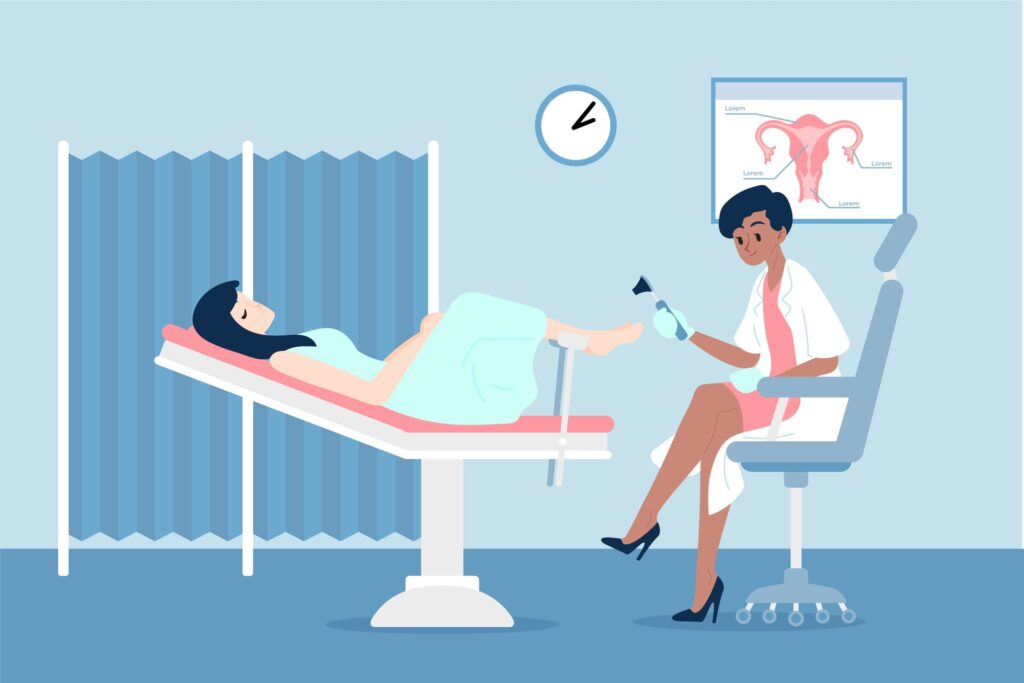
A transvaginal ultrasound is an internal imaging procedure that uses sound waves to create detailed pictures of your female reproductive organs. Unlike the conventional ultrasound, abdominal ultrasound, where gel is applied to your belly, a TVS scan uses a specially designed ultrasound probe that’s gently inserted into the vaginal canal. In short, doctors won’t need to use speculums to get a clearer view of women’s reproductive health.
Here’s what makes this pelvic ultrasound special: the ultrasound probe gets much closer to your pelvic organs like uterus, ovaries, fallopian tubes etc. than an external scan ever could. This proximity means doctors can see these organs with remarkable clarity, making it easier to detect conditions that might be missed with other imaging methods.
The transvaginal ultrasound procedure is particularly valuable because it can examine the pelvic area from the inside of your body, providing detailed images of structures that are often difficult to visualize clearly through abdominal scans alone.
Alternative Procedures: Transrectal Ultrasound and Abdominal Ultrasound
While transvaginal ultrasound is deemed more effective due to its offered visual images, there can be an instance where it is not an ideal choice for imaging procedure. OBGYN doctors value the patient’s choice and comfort, especially with such a type of procedure.
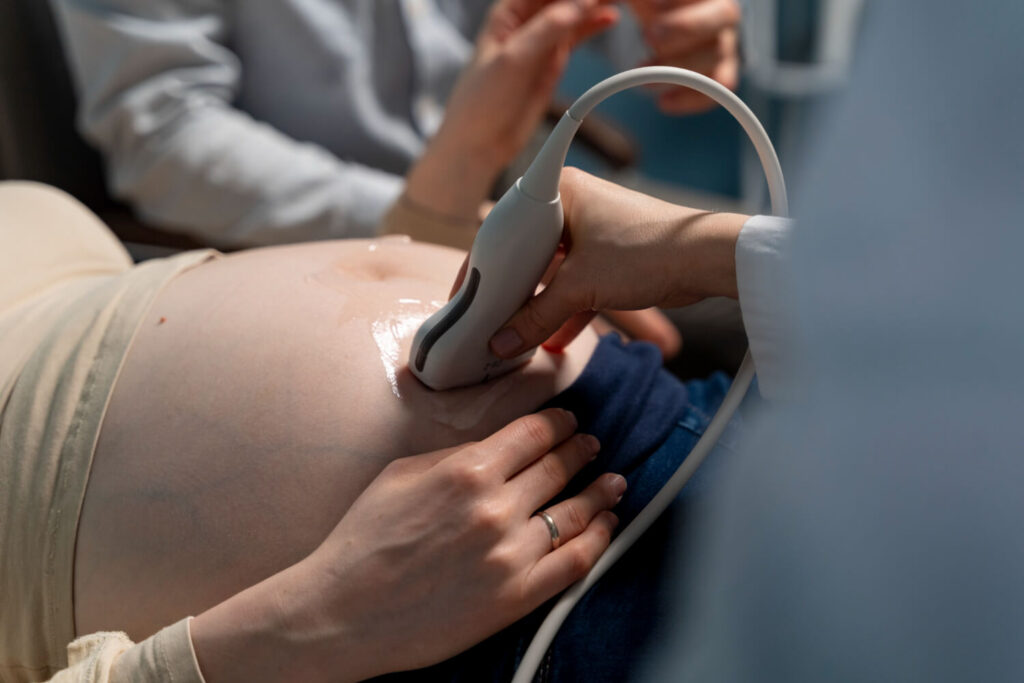
Cases like having an intact hymen or being a virgin are likely considered before the procedure due to the probe inserted in the vagina. Doctors will explain this factor and possibly cause discomfort to women. That’s why certain alternatives are offered, like transrectal ultrasound and abdominal ultrasound.
Common Reasons to Undergo Transvaginal Ultrasound TVS for Women
Women’s health conditions can be challenging to manage. That’s why a gynecological exam is crucial, and this type of ultrasound test can help OBGYN to diagnose patients accurately.
Here are the common reasons as to why transvaginal ultrasound works better:
Investigating Gynecological Symptoms
Many women experience pelvic pain or abnormal bleeding that requires investigation. A transvaginal ultrasound scan can help identify the root cause of these concerning symptoms, whether it’s related to the uterus, ovaries, or cervix.
Early Pregnancy Monitoring and Mother’s Health
During early pregnancy, especially in the first trimester, a TVS scan provides the clearest images of the developing fetus and can confirm pregnancy location, detect multiples, and monitor early development.
Screening for Reproductive Health Conditions
The procedure is excellent for detecting conditions like ovarian cysts, uterine fibroids, endometriosis, pelvic inflammatory disease, and other abnormalities affecting the female reproductive organs. For Filipino women dealing with PCOS symptoms, this imaging can be particularly revealing.
Checking Birth Control Complications
Some patients with IUDs are susceptible to rare complications. Healthcare professionals use transvaginal ultrasound to check the cause of pain, bleeding, and discomfort to help them manage and resolve the problem.
Follow-up Care
After treatments or surgeries involving the pelvic area, doctors often use transvaginal ultrasound to monitor healing and ensure treatments are working effectively.
Read this related article to know more about the common women issues that warrants transvaginal ultrasound.
Who Should Get a Transvaginal Ultrasound?
Several situations might prompt your doctor to recommend a TVS scan:
- Women experiencing unexplained pelvic pain or pressure
- Those with irregular or heavy menstrual bleeding
- Pregnant women in their first trimester
- Women with suspected ovarian or uterine conditions
- Follow-up monitoring after gynecological treatments
- Investigation of fertility issues
It’s worth noting that this procedure is generally not recommended for women who have never been sexually active, though exceptions exist when medically necessary.
Preparing for Your Transvaginal Ultrasound in the Philippines
Preparation for a transvaginal ultrasound procedure is relatively straightforward, but knowing what to expect can ease your anxiety significantly.
Before Your Appointment
Unlike abdominal ultrasounds, you don’t need a full bladder for a TVS scan. In fact, you’ll be more comfortable with an empty bladder.
Here’s what Filipino women should know about preparation:
- Wear comfortable, loose-fitting clothing that’s easy to remove from the waist down. Some hospitals offer you to wear a hospital gown for this procedure.
- Consider bringing a trusted family member or friend for emotional support
Other considerations:
- If it is your ovulation period or menstruation week, don’t worry – the procedure can still be performed
- Take any prescribed medications as normal unless specifically instructed otherwise

How Does Transvaginal Ultrasound Work?
Understanding the process of transvaginal procedure can help reduce anxiety about your TVS scan.
During the Procedure
The ultrasound test begins with you lying on an examination table, similar to a pap smear position. A thin, wand-like ultrasound probe (about the size of a tampon) is covered with a protective sheath and gel before being gently inserted into your vaginal canal.
This entire procedure typically takes 15-30 minutes. While there might be some mild discomfort from pressure, most Filipino women find it less uncomfortable than they anticipated. The sonographer will move the probe slightly to capture images from different angles, examining your pelvis thoroughly.
What the Images Reveal?
A TVS scan creates real-time images that your doctor can interpret immediately. These detailed pictures help identify any abnormalities in your reproductive system that might require treatment or monitoring. Thus, helping you to receive proper diagnosis right away.
What Happens Next?
After the procedure, your TVS doctor will assess the images and determine your condition. There will be cases where they’ll request for additional tests to confirm their diagnosis, while other doctors go straight to the treatment plan.
Make sure to follow the recommended treatment (e.g., taking prescribed medications, lifestyle changes, dietary modifications, rest, etc.).
Get a TVS test near me by reading this related article
Frequently Asked Questions About Transvaginal Ultrasound Philippines
How much does a transvaginal ultrasound cost in the Philippines?
TVS ultrasound price Philippines typically range from PHP 1,000 to PHP 3,000, varying by location and facility. If you are using a telemedicine platform like NowServing, consultation cost of transvaginal ultrasound Philippines usually begins at PHP 500.00. Many HMOs cover diagnostic ultrasounds, so check your coverage before your appointment.
Learn more about the transvaginal ultrasound price Philippines in this guide
Is it possible to encounter risks or abnormalities because of transvaginal ultrasound?
No, there’s no possible risk or side effect from getting this type of internal ultrasound. However, if you’re worried about this aspect, you can always communicate any concerns from your doctor.
Is transvaginal ultrasound more accurate than transrectal ultrasound and abdominal ultrasound?
Yes, it offers a more accurate test result as it directly views the pelvic organs of a female patient. Transrectal ultrasound can be used to have a visual of other pelvic organs, but it can’t reach the cervix and uterus. Meanwhile, abdominal ultrasound only provides a superficial approach, which can produce a less accurate sonogram result than TVS ultrasound.
Conclusion
Transvaginal ultrasound Philippines procedures have become an invaluable tool for maintaining women’s reproductive health. While it’s natural to feel apprehensive about any medical procedure, understanding what to expect can help you approach your TVS scan with confidence.
Ready to schedule your transvaginal ultrasound or need to consult with a specialist about your reproductive health? Book a transvaginal ultrasound session on NowServing today!