You’ve typed “Filipino therapist near me” into Google more than once. Here’s the problem with that search.
There are roughly 10.2 million Filipinos living outside the Philippines. The number of Tagalog-speaking psychologists practicing in the US, Australia, Canada, the UK, or Singapore? In most cities, you’re looking at zero to a handful.
The directories show up in the results. You click through, filter by language, and maybe two or three names appear, if any. Half of them aren’t accepting new patients. The other half is a 45-minute drive away with a three-month waitlist.
So the real question isn’t “how do I find a Tagalog-speaking psychologist near me.” It’s “how do I find one, period, who actually gets my background, my family dynamics, and the way I process emotions in two languages?”
That’s what this guide covers. Where to look, what credentials to check, how to prepare, and how to handle the part nobody writes about: telling your Filipino family you’re going to therapy.
Why a Tagalog-speaking psychologist makes a difference
You might be fluent in English. You might use it at work, think in it, even argue in it. But emotional language is different from functional language.
When you’re trying to describe what’s been weighing on you, your brain often reaches for the language you grew up with. There are feelings that Tagalog captures with precision that English can only approximate. “Tampo” isn’t sulking. “Lungkot” isn’t just sadness. “Pagod” can mean physically tired, but when a Filipino says “pagod na pagod na ako,” that’s a different conversation entirely.
Research supports this. A 2023 study in the Asian American Journal of Psychology found that language concordance between therapist and client significantly improved treatment engagement and outcomes among Filipino Americans. Clients who could use their native language reported feeling more understood, stayed in therapy longer, and showed better progress.
There’s a practical side too. When you need to explain a concept to your therapist before you can discuss your actual problem, you’re spending time and money on translation instead of healing. A Tagalog-speaking psychologist hears “nahihiya ako” and immediately understands the layers. No footnotes required.
This is especially true when processing childhood memories, family conflicts, or grief. These experiences were encoded in Filipino. Accessing them in English adds a filter that can actually slow down the therapeutic process.
Filipino cultural concepts your therapist should understand
Language is one part of it. Cultural context is the other. A therapist who speaks Tagalog but doesn’t understand Filipino family dynamics won’t be much help either.
Here are the cultural concepts that come up constantly in therapy with Filipino clients:
Hiya is often translated as “shame,” but it’s more complex than that. It’s a deep awareness of social propriety, a fear of bringing embarrassment to yourself and your family. It affects everything from career decisions to whether you’ll ask for help when you need it. Hiya is one of the biggest reasons Filipinos delay seeking therapy in the first place.
Utang na loob is a debt of gratitude that never fully expires. Your parents raised you, so you owe them. They sacrificed, so you must repay. This concept shapes financial decisions (sending money home even when you can’t afford it), career choices (choosing a stable job over your passion), and relationship boundaries (not saying no to family requests). A therapist unfamiliar with utang na loob might tell you to “set boundaries.” A Filipino therapist understands why that advice, while valid, is far more complicated to execute in practice.
Pakikisama is the value of smooth interpersonal relationships and group harmony. Going along with the group, even at personal cost. It shows up in therapy when clients struggle with assertiveness, conflict avoidance, or difficulty expressing disagreement with family or authority figures.
Family honor and collectivism. In Filipino culture, your actions reflect on your entire family. Struggling with mental health can feel like a personal failure that shames everyone. This makes the simple act of booking a therapy session loaded with guilt and secrecy.
Faith and spirituality. For many Filipinos, faith is deeply intertwined with coping. “Ipagpray mo na lang” (just pray about it) is common advice from family. A culturally aware therapist won’t dismiss your faith or force you to choose between therapy and spirituality. They’ll understand how to work with both.
When your therapist already understands these concepts, you skip the first three sessions of providing cultural orientation and get straight to the work.
Types of Filipino mental health professionals
Before you start searching, it helps to know what you’re looking for. The titles can be confusing, and each one means something specific in the Philippine licensing system.
Psychiatrists are medical doctors (M.D.) who completed specialty training in psychiatry. They can diagnose mental health conditions, prescribe medication, and provide therapy. In the Philippines, they’re licensed by the Professional Regulation Commission (PRC) as physicians with psychiatry as their specialty. If you think you might need medication for anxiety, depression, bipolar disorder, or other conditions, a psychiatrist is where to start.
Registered Psychologists (RPsy) hold a master’s or doctoral degree in psychology and are PRC-licensed. Clinical psychologists can conduct psychological assessments, diagnose conditions, and provide psychotherapy. They cannot prescribe medication. If you want structured therapy with someone trained in specific approaches like CBT, ACT, or psychodynamic therapy, a clinical psychologist is a strong choice.
Registered Guidance Counselors (RGC) are PRC-licensed professionals who focus on counseling, career guidance, and personal development. They’re trained in talk therapy and can help with life transitions, stress management, relationship issues, and personal growth. They work differently from clinical psychologists; their focus tends to be on coping and adjustment rather than clinical diagnosis.
Psychotherapists may hold various qualifications depending on their training background. Some are licensed psychologists who specialize in psychotherapy. Others have completed recognized psychotherapy training programs. The key is checking their specific credentials.
Not sure which one you need? Here’s a simple guide: if you think medication might be involved, see a psychiatrist first. If you want talk therapy to work through specific issues, a clinical psychologist or psychotherapist is a good starting point. If you’re dealing with life transitions, stress, or relationship patterns, a guidance counselor can help.
When searching for therapists outside the Philippines, the licensing titles will be different. A Filipino-American therapist might be a Licensed Clinical Social Worker (LCSW) or Licensed Professional Counselor (LPC). The important thing is verifying that they hold a valid license in whatever country they practice from. For therapists based in the Philippines offering telehealth, PRC licensing is the standard to check.
Where to find a Tagalog-speaking psychologist
The search itself is the part most people get stuck on. Here’s where to actually look, and what to expect from each option.
NowServing. This is a Philippine-based platform where you can browse licensed Filipino mental health professionals by specialty, see their consultation fees upfront, and book directly online. Profiles include the therapist’s background, areas of focus, and available time slots. Because it’s built specifically for the Philippine healthcare system, the selection of Filipino therapists is larger than what you’d find on international directories. You can filter by psychiatry, clinical psychology, and psychotherapy to find the right type of professional. Sessions happen via video call, so your location doesn’t matter.
Psychology Today. Their therapist directory has language filters. Search for therapists in your city, filter by “Tagalog” or “Filipino” under language, and see who comes up. Coverage is decent in US metro areas but thin everywhere else. Many therapists listed here don’t offer online sessions, so you may still be limited by geography.
Inclusive Therapists. This directory focuses on culturally responsive care and lets you filter by ethnicity and language. It’s a useful resource, but the directory skews toward the US and listings can be sparse for Filipino-specific providers.
Therapinay. A directory specifically for Filipino and Filipino-American therapists. The focus is welcome, but it functions primarily as a listing. You’ll still need to contact therapists individually to check availability and book.
The practical difference between these options comes down to how quickly you can go from searching to booked. Directories give you names. Platforms let you see availability and book a session in the same visit.
View this post on Instagram
Online vs. in-person: what to consider
If you’re in a city with Tagalog-speaking therapists available in person, you have a choice. Both formats work. Here’s what to weigh.
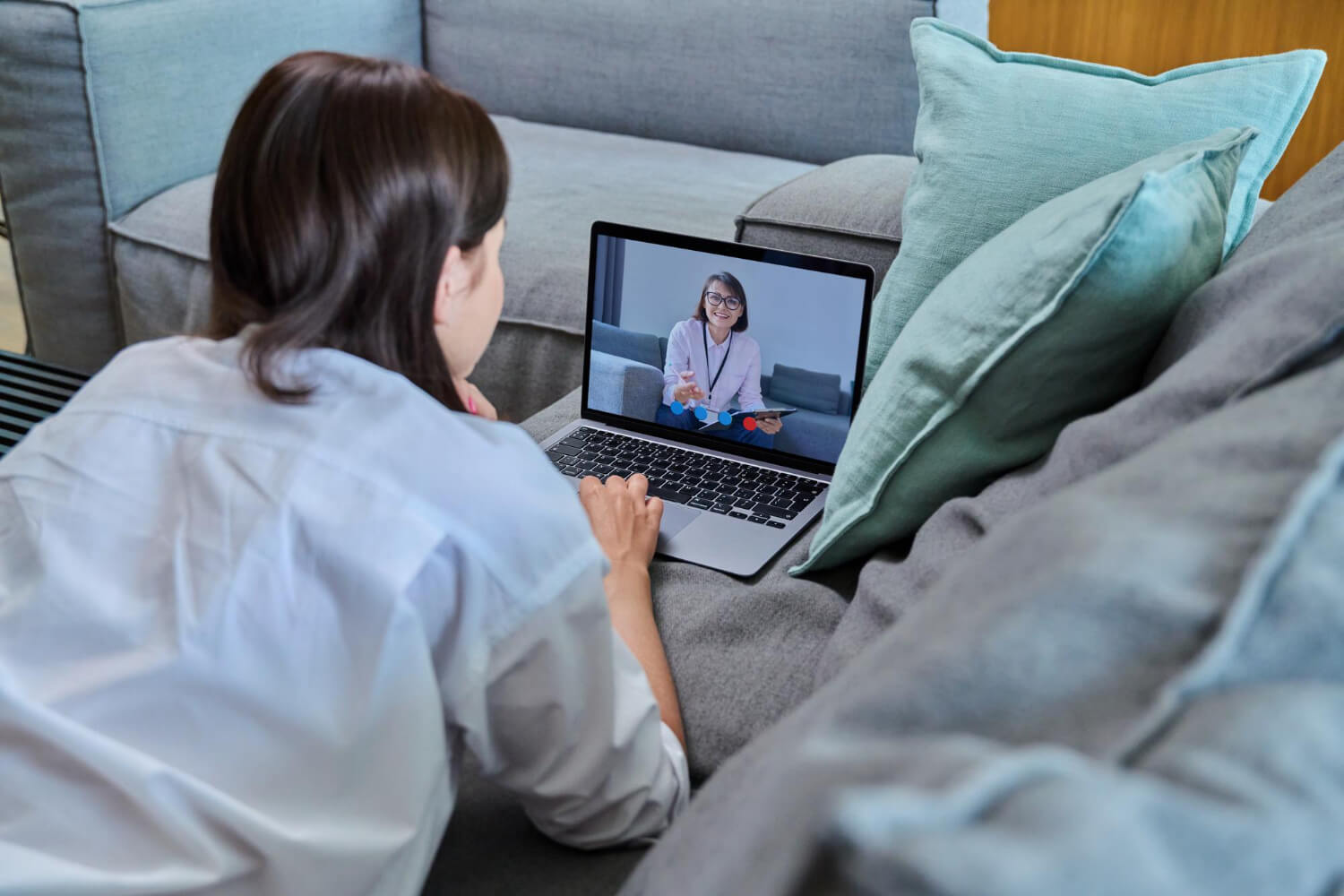
Online therapy makes sense when: there are no Filipino therapists in your area (this is the reality for most people), you want a wider selection to find the right fit, your schedule is unpredictable, or you prefer the comfort and privacy of doing sessions from home. For Filipinos in the diaspora, online therapy also solves the timezone problem. You can book a therapist in the Philippines during their daytime hours, which often aligns with your evening, a time when you’re home and can talk privately.
In-person therapy makes sense when: you find it harder to open up through a screen, you’re dealing with severe mental health conditions that benefit from in-person observation, or you simply prefer face-to-face interaction. Some people find the physical act of going to an office helps them mentally separate “therapy time” from the rest of their day.
Timezone logistics for online sessions. If you’re in Australia (AEST/AEDT), Philippine afternoon and evening slots work well for your late evening. Singapore, Hong Kong, and Malaysia are on the same timezone as the Philippines, so scheduling is easy. In the Middle East, Philippine evening sessions line up with your afternoon. For the US and Canada, Philippine morning sessions match your late evening or night. UK and Europe, Philippine afternoon works for your morning.
Most Filipino therapists offering online sessions are accustomed to international clients and have flexible scheduling. When browsing profiles on NowServing, you can see available time slots displayed in Philippine time (GMT+8) and convert to your local timezone.
One thing worth mentioning: if you’re seeing a therapist in the Philippines for talk therapy while living abroad, prescriptions (if needed) may not be directly valid in your country. This is easily solved. You can share your Philippine psychiatrist’s assessment with your local GP or psychiatrist, who can then write a local prescription. Many Filipinos abroad use this complementary approach, getting affordable psychiatric consultations from the Philippines while managing prescriptions locally.
Read this related article to know more about the difference of in-person and online consultation with a specialist.
Taglish in therapy: why code-switching helps
Here’s something no other guide covers, and it might be the most important section in this article.
Most Filipinos don’t speak pure Tagalog or pure English. They speak Taglish, switching between languages mid-sentence, sometimes mid-word. “Ang hirap naman kasi, you know? Like, I can’t even explain it in one language.”
That sentence is natural. That’s how most Filipinos actually think and talk. And in therapy, being able to speak this way is a real advantage.
Code-switching in therapy isn’t a sign of confusion or lack of fluency. Linguistic research shows that bilingual speakers switch languages for specific communicative purposes. You might describe a situation in English because it happened at work, then switch to Tagalog when you’re describing how it made you feel. The shift happens naturally because different languages access different emotional registers.
In a session with a non-Filipino therapist, this code-switching isn’t possible. You’re locked into English, which means you’re filtering every emotion through your second language. With a Filipino therapist, the conversation flows the way your thoughts actually work.
Some clients report that certain breakthroughs happened specifically because they could say something in Tagalog that they’d been struggling to articulate in English. “Nakakapagod maging malakas” (it’s exhausting being strong) hits differently than “I’m tired of being strong.” The Tagalog version carries cultural weight, the expectation of strength, the shame of admitting exhaustion, the specific kind of tiredness that comes from performing resilience.
When you’re evaluating a therapist, mention that you’re Taglish. If they respond naturally with the same mix, that’s a green flag. If they insist on one language or the other, the fit might not be right.
How to prepare for your first session
You’ve found a therapist. You’ve booked a time. Now what? Here’s how you can maximize your online consultation with a mental health specialist.
Before the session: Write down two or three things you want to talk about. You don’t need a full history or a perfect explanation. Even “I’ve been feeling anxious and I don’t know why” or “I want to talk about my relationship with my parents” is enough to give your therapist a starting point.
What to expect in the first session: Your therapist will likely ask about your background, what brought you to therapy, and what you’re hoping to get from it. They might ask about your family, your work, your living situation, and your mental health history. This is assessment, not judgment. Think of it as your therapist building a map of your life so they know where to focus.
Questions to ask your therapist:
- What’s your experience working with Filipino clients or clients from collectivist cultures?
- Are you comfortable with Taglish or code-switching during sessions?
- What therapeutic approach do you use? (CBT, psychodynamic, person-centered, etc.)
- How do you handle situations where cultural values and therapeutic recommendations might conflict?
- What does a typical course of therapy look like with you?
Green flags: They listen more than they talk. They ask clarifying questions. They don’t dismiss your cultural context. They explain their approach in plain language. They’re comfortable with silence.
Red flags: They seem unfamiliar with Filipino culture despite claiming cultural competence. They push you to set boundaries with family without understanding the full picture. They diagnose you in the first session without proper assessment. They make you feel judged.
Give it at least two sessions. First sessions are always a bit awkward. You’re getting to know each other. The real work starts in the second or third session. If after two sessions you don’t feel a connection, try a different therapist. This is normal and expected. Finding the right fit sometimes takes a couple of tries.

How to talk to your Filipino family about therapy
This is the part that’s often harder than the therapy itself. You’ve booked a session. You feel good about it. Then your mom calls and asks what you’re doing Tuesday evening, and you freeze.
Filipino families can have complicated feelings about therapy. “Baliw” (crazy) is the word that comes up in hushed tones. “Bakit ka pa magpapa-therapist, may family ka naman” (why would you go to a therapist when you have family?). Or the classic: “Mag-pray ka na lang.”
You don’t owe anyone an explanation for taking care of your mental health. But if you want to have the conversation, here are some approaches that work:
Frame it in terms they understand. “Parang may kaausap ako para sa stress ko” (it’s like having someone to talk to about my stress). Keep it simple. “Stress” is a universally accepted concept in Filipino culture. “Anxiety disorder” might not be.
Compare it to physical health. “Kung pumupunta ka sa doctor kapag sumasakit katawan mo, ganun din ‘to. Para sa utak.” (If you go to the doctor when your body hurts, this is the same thing. For the mind.) This reframing works well with parents who understand medical care but view mental health as separate.
Don’t lead with labels. Saying “I’ve been diagnosed with depression” to a traditional Filipino family can trigger panic and denial. Instead, try: “Na-stress ako lately, so nag-consult ako sa professional para tulungan ako mag-cope.” Starting with the action (consulting) rather than the label (depression) gives them time to process.
You don’t have to tell everyone at once. Start with the family member most likely to understand. A sibling, a cousin, someone who’s more open. Build support gradually rather than making it a family announcement.
If they react badly, give them time. Some family members will come around once they see that therapy is making you calmer, happier, or easier to be around. Results speak louder than explanations.
And if your family never comes around? That’s okay too. Your mental health is your responsibility, not theirs. A good therapist can actually help you navigate this exact dynamic.
Common mental health concerns in the Filipino community
Certain mental health challenges show up more frequently among Filipinos, especially those living abroad. Understanding that these are common can help you feel less alone in what you’re experiencing.
Anxiety and depression. These are the most common reasons Filipinos seek therapy. The pressure to succeed, to provide for family, to maintain a cheerful exterior while struggling internally, it adds up. Filipino culture’s emphasis on resilience (“kaya mo yan,” “malakas ka”) can make it harder to acknowledge when you’re not okay.
OFW-related challenges. Overseas Filipino Workers face a specific set of mental health stressors: separation from family, loneliness, workplace exploitation, cultural isolation, and the pressure of being the primary breadwinner for an extended family back home. The guilt of missing milestones, children growing up on video calls, aging parents you can’t visit, these are real and heavy burdens.
Acculturative stress. This is the psychological strain of adapting to a new culture while trying to preserve your Filipino identity. It hits first-generation immigrants and 1.5-generation Filipinos (those who moved abroad as children) particularly hard. You’re too Filipino for your adopted country and too “Americanized” (or “Australianized”) for your family back home. That in-between space is isolating.
Intergenerational dynamics. Filipino family structures often involve complex power dynamics across generations. Expectations from parents who sacrificed for you, guilt about choosing your own path, conflict between traditional values and the individualistic culture you now live in. These themes come up in therapy constantly.
Colonial mentality. This is a pattern where Filipino culture, appearance, or identity is internalized as inferior to Western standards. It can affect self-esteem, career ambitions, relationship choices, and overall mental health. It’s a topic that a culturally aware Filipino therapist is uniquely equipped to address.
Second-generation identity struggles. If you were born abroad to Filipino parents, your experience is different from someone who grew up in the Philippines. You might feel disconnected from Filipino culture, struggle with your parents’ expectations, or feel like you don’t fully belong in either world. These are valid concerns that therapists familiar with the diaspora experience can address.
If any of these sound familiar, you’re not alone, and you’re not broken. These are common, treatable concerns that respond well to therapy, especially when your therapist understands the cultural context behind them. Our guide on mental health for Filipinos abroad covers many of these topics in more depth.
Frequently asked questions
Can I do therapy in Taglish, or do I have to choose one language?
Taglish is perfectly fine. Most Filipino therapists are bilingual and comfortable switching between English and Tagalog within the same session. Use whatever language feels natural in the moment. Many clients start in English and shift to Tagalog when discussing emotionally charged topics. Your therapist will follow your lead.
How much does a session with a Filipino psychologist cost compared to therapists abroad?
Therapy sessions in the US typically run $150-300 per session. In Australia, even with Medicare rebates, expect $100+ out of pocket. In the UK, private therapy ranges from £50-90 per session. Filipino therapists based in the Philippines charge a fraction of these rates for comparable quality care. The cost difference means you can afford consistent sessions, which is where therapy actually works.
Is online therapy as effective as in-person therapy?
Multiple studies, including a large-scale review published in the Journal of Psychological Disorders, have found that online therapy produces outcomes comparable to in-person therapy for most conditions, including anxiety, depression, and adjustment disorders. The convenience of online therapy also improves consistency, and consistency is what drives results.
How do I verify if a Filipino therapist is properly licensed?
For therapists based in the Philippines, check their Professional Regulation Commission (PRC) license. Psychiatrists should be licensed physicians with psychiatry specialization. Psychologists should hold an RPsy (Registered Psychologist) license. Guidance counselors should have an RGC (Registered Guidance Counselor) license. You can verify PRC licenses through the PRC’s online verification portal. For therapists in other countries, check their local licensing board.
What if I need medication but I live abroad?
A Filipino psychiatrist can assess your condition and recommend medication through an online consultation. However, prescriptions from the Philippines may not be directly accepted by pharmacies in your country. The practical solution: bring the assessment and medication recommendation to your local GP or psychiatrist, who can then write a valid local prescription. Many Filipinos abroad use this approach effectively.
What’s the difference between a psychologist and a psychiatrist?
A psychiatrist is a medical doctor who can prescribe medication and provide therapy. A psychologist has advanced training in psychology and provides therapy, assessments, and diagnoses but cannot prescribe medication. If you think medication might be part of your treatment, start with a psychiatrist. If you want talk therapy, a psychologist or psychotherapist is a good starting point. You can also see both: a psychiatrist for medication management and a psychologist for regular therapy sessions.
Will my employer’s health insurance cover online therapy with a Filipino therapist?
This depends on your insurance plan and country. Some international health plans and expat insurance policies cover telehealth consultations regardless of the provider’s location. Others only cover local providers. Check with your insurance company about their telehealth and international provider policies. Even without insurance coverage, the lower cost of Filipino therapists often makes out-of-pocket payment affordable.
How do I know if a therapist is a good fit?
Give it two sessions. In the first session, pay attention to whether you feel heard, not judged, and whether the therapist asks thoughtful questions about your specific situation. By the second session, you should have a sense of whether the conversation is going somewhere useful. If the fit isn’t right, switch. This is normal and therapists expect it.
What if I’m not comfortable talking about mental health because of stigma?
You’re not alone in feeling this way. Hiya and mental health stigma are deeply embedded in Filipino culture. Remember that seeking therapy is a private decision. Your therapist is bound by confidentiality. You don’t have to tell anyone. Many Filipinos start therapy without telling family and share later, if at all, once they’re comfortable. The fact that you’re reading this article means you’re already past the hardest part, which is considering it.
Can a therapist in the Philippines understand what it’s like to live abroad?
Many Filipino therapists who offer online services have experience working with clients in the diaspora. They understand OFW challenges, acculturative stress, and the specific pressures of living away from home. During your first session, you can ask about their experience with overseas Filipino clients. That said, the cultural understanding they bring, the shared language, values, and family dynamics, is their biggest strength. They don’t need to have lived abroad to understand why you’re struggling.
The option exists now. Use it.
Five years ago, finding a Tagalog-speaking psychologist outside the Philippines meant getting lucky with a local directory or flying home. Now it means opening your laptop and booking a session with a licensed professional in the Philippines.
If you’ve been putting it off because finding the right therapist felt impossible, or because you weren’t sure where to look, or because the cost abroad was too high, those barriers are gone. Filipino therapists are online, they’re licensed, they speak your language, and they understand your culture without needing an orientation session.
You’ve already done the hard part by looking into this. The next step is picking a therapist and booking that first session.