You’ve been feeling more tired than usual lately, running to the bathroom more often, and that constant thirst just won’t go away. Your body is giving you signals, and one possible reason is your high blood sugar level. A glucose random test is exactly what you need to get answers.
Unlike other blood sugar tests that require hours of fasting, this simple blood test can be done anytime, anywhere. Thus, making it one of the most convenient ways to check your blood glucose levels. Discover everything you need to know about when to undergo a glucose random test, and how to prepare for this test. Let’s begin!
What Is a Glucose Random Test?
A glucose random test, also called a random blood sugar (RBS) test or random plasma glucose test, measures the amount of glucose in your blood at any given time of day. It is one of the quick tests among the types of diabetes screening tests offered in the testing facilities to identify which type of diabetes the patients have (e.g.,pre-diabetes, diabetes, type 1 diabetes, type 2 diabetes, etc.).
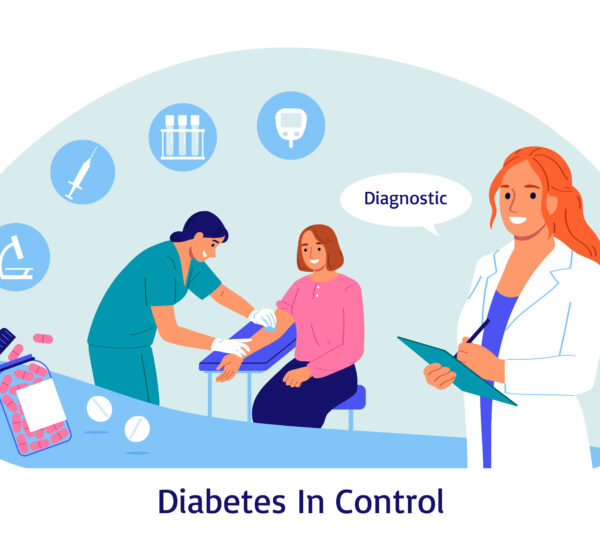
Unlike other blood sugar tests, you don’t need to prepare or have an 8-10 hours of fasting before taking the test. You can get your blood checked anytime of the day. The healthcare expert will draw a small amount of blood sample from your veins. They’ll analyze the sample and measure how much sugar is circulating in your bloodstream.
This test offers immediate test results, allowing you to see if you have an alarming glucose level.
How Does it Differ from Using a Glucometer for Random Blood Test?
While both of them offer a quick checking of blood sugar level and results, take note that a glucose random test is done at a testing facility. It provides in-depth data as they analyze your blood sample. Furthermore, the blood sample used for this test is extracted from your veins.
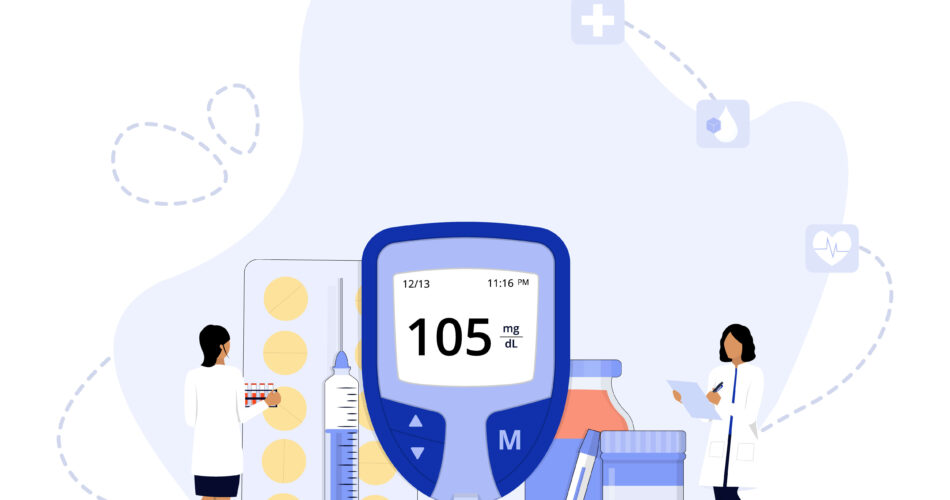
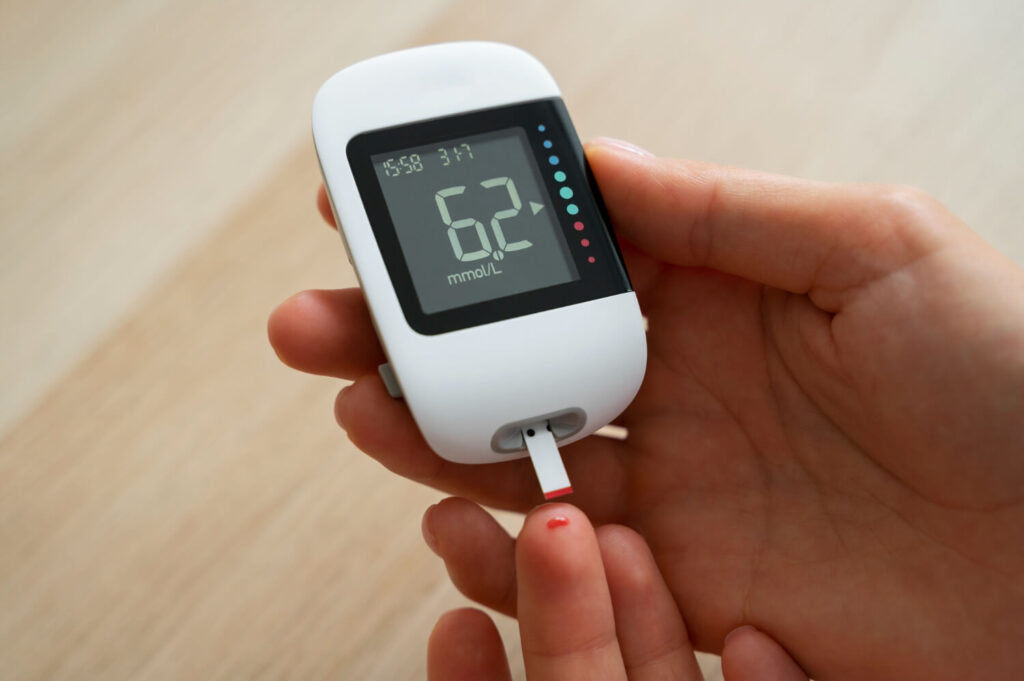
Meanwhile, a random blood test at home only offers limited information about your blood glucose level. Through using a glucose meter and glucose test strip, you can check your glucose level by pricking your finger to get a drop of blood to get tested. The glucometer only provides the measured glucose level by displaying the mg/dL on the screen.
Use of glucometer at home can be particularly useful for quick screenings or when immediate results are needed. However, it’s worth noting that if your test results show concerning levels, your doctor will likely recommend follow-up tests for a more comprehensive picture of your blood sugar control. Thus, getting diabetes screening in a testing facility is a must.
Discover the other types of diabetes screening test and their prices
When Do You Need a Glucose Random Test?
- Experiencing Diabetes Symptoms: If you’re showing signs that might indicate high blood sugar or diabetes, your doctor will likely order a random blood sugar test as a first step. These symptoms include frequent urination, excessive thirst, unexplained weight loss, blurred vision, slow-healing wounds, and persistent fatigue. A random blood glucose test provides quick answers when symptoms are present, allowing for faster diagnosis and treatment planning.
- Routine Health Screenings: Even if you feel perfectly healthy, routine diabetes screening becomes increasingly important as you get older. It is recommended for adults starting at age 40, or earlier to undergo a blood sugar test, especially if they have risk factors like obesity, family history of diabetes, or high blood pressure. Early detection means you can make lifestyle changes or start treatment before the condition leads to more serious complications like heart disease, kidney problems, or vision loss.
- Monitoring Known Diabetes: If you’ve already been diagnosed with diabetes, random blood sugar tests help your doctor understand how well your current diabetes care and treatment plan are working. These tests show how your blood glucose levels fluctuate throughout the day in response to meals, activities, and medications.
- Emergency Situations: In emergency settings, when someone shows up at the hospital with symptoms like extreme confusion, loss of consciousness, or diabetic ketoacidosis, a random blood glucose test provides immediate information that can be life-saving. Time matters in these situations, and waiting for a fasting test simply isn’t an option.

Who Should Get A Random Glucose Test?
Everyone is entitled to undergo a diagnostic test like a random glucose test. However, there are selected people who are highly suggested to have this screening test for their health.
- Pregnant women – After several weeks of pregnancy, these individuals are highly prone to gestational diabetes. That’s why it’s important to have daily monitoring to prevent future complications.
- People with medical history – In most cases, patients with diabetic relatives can also develop diabetes. Early detection through random blood tests can help them prepare for this chronic disease and manage it ahead of time.
- Individuals suffering from symptoms of diabetes – If your symptoms align with those with diabetes, you can always confirm your condition by checking your blood sugar level.
Understanding Your Glucose Test Results
Once you’ve taken the test, you’ll want to know what those numbers actually mean. For a random blood sugar test, here’s what healthcare providers typically look for:
- Normal range – 70 mg/dL – 140 mg/dL
- Pre-diabetes – 140 mg/dL – 199 md/dL
- Diabetes or Severe Diabetes – 200 mg/dL and up
- Low Blood Glucose or Hypoglycemia – Below 70 mg/dL
Keep in mind that several factors can affect your glucose test results. Stress, illness, certain medications, and recent meals all play a role in your blood sugar levels at any given moment. That’s why it is important to monitor your glucose testing and the time of the day to recognize your normal result.
If high blood glucose still persists, immediate medical care is highly needed.
For Hypoglycemia patients, doctors commonly recommend them to use CGM. Check out how to use a CGM device in this guide.

How to Book Diabetes Screening on NowServing
Getting your glucose random test has never been easier, thanks to platforms like NowServing. You don’t need to take time off work or spend hours in waiting rooms – you can schedule your diabetes screening at a time and location that works for you.
Here’s how to book a diabetes screening through NowServing:
- Open the NowServing app and find the Diabetes Screening service or click this link for easier access
- Check the list of doctors in the doctor directory. Take note that these licensed doctors can help you manage your diabetes concerns
- Select a doctor by tapping the “Book Appointment” button. That begins the booking process
- Follow the process until you reach the final step
- Wait for the doctor to accept your appointment
Remember, the RBS test doesn’t require fasting, unlike the fasting blood sugar (FBS) test. So, just come on the day of your appointment and follow the recommendations of your doctor.
Frequently Asked Questions
Can I eat before a random blood sugar test?
Yes, that’s what makes it “random.” Unlike fasting blood sugar tests, you can eat and drink normally before a random blood sugar test. However, be aware that recent meals will affect your results, which is actually a part of what the test measures. In short, it is different from fasting glucose test or fasting blood sugar test.
How often should I get my blood sugar checked?
This depends on your individual risk factors. For healthy adults without diabetes risk factors, screening every three years starting at age 40 is often recommended. If you have risk factors like obesity, family history of diabetes, or high blood pressure, annual screening might be better. For people with pre-diabetes or diabetes, your doctor will recommend a personalized testing schedule based on your treatment plan.
Is a random blood sugar test enough to diagnose diabetes?
A random blood sugar test showing 200 mg/dL or higher, combined with classic diabetes symptoms, can be diagnostic. However, most doctors prefer to confirm with additional testing, such as a fasting blood glucose test or HbA1c test, before making a definitive diagnosis. This ensures accuracy and helps rule out temporary spikes in blood sugar caused by stress or illness.
Are there different types of diabetes screening tests available?
Yes, several tests can screen for diabetes. Fasting blood glucose test measures blood sugar after an overnight fast, while oral glucose tolerance test involves drinking a sugary solution and having blood drawn at intervals. Another one is the HbA1c test, which shows average blood glucose over the past three months. Your doctor will recommend which test or combination of tests is most appropriate for your situation.
You can learn more about the different diabetes screening tests here.
Conclusion
A glucose random test is a simple yet powerful tool for understanding your blood sugar levels and protecting your health. Whether you’re experiencing symptoms that concern you, need official diagnosis of diabetes from an endocrinologist, or managing diabetes, this convenient blood test provides valuable information that can guide your health decisions.
Book your diabetes screening through NowServing today. It’s quick, convenient, and could be one of the most important health decisions you make this year.