
More than 8,000 new cases of cervical cancer are diagnosed in the Philippines every year, making it the second most common cancer among Filipino women, according to the World Health Organization. Most of those cases are caused by a common sexually transmitted infection called human papillomavirus (HPV), and most are preventable. When caught at an early stage, cervical cancer treatment has strong success rates.
This guide covers every major cervical cancer treatment option available in the Philippines in 2026, including surgery, radiation therapy, chemotherapy, and newer immunotherapy drugs, plus estimated costs to help you plan.
How the Stage of Cervical Cancer Shapes Your Treatment Plan?
Earlier stages, where abnormal cells remain confined to the cervix, are typically treated with surgery alone or surgery combined with radiation. Advanced stages, where cancer cells have spread to the pelvic lymph nodes or other parts of the body, usually require a combination of treatments.
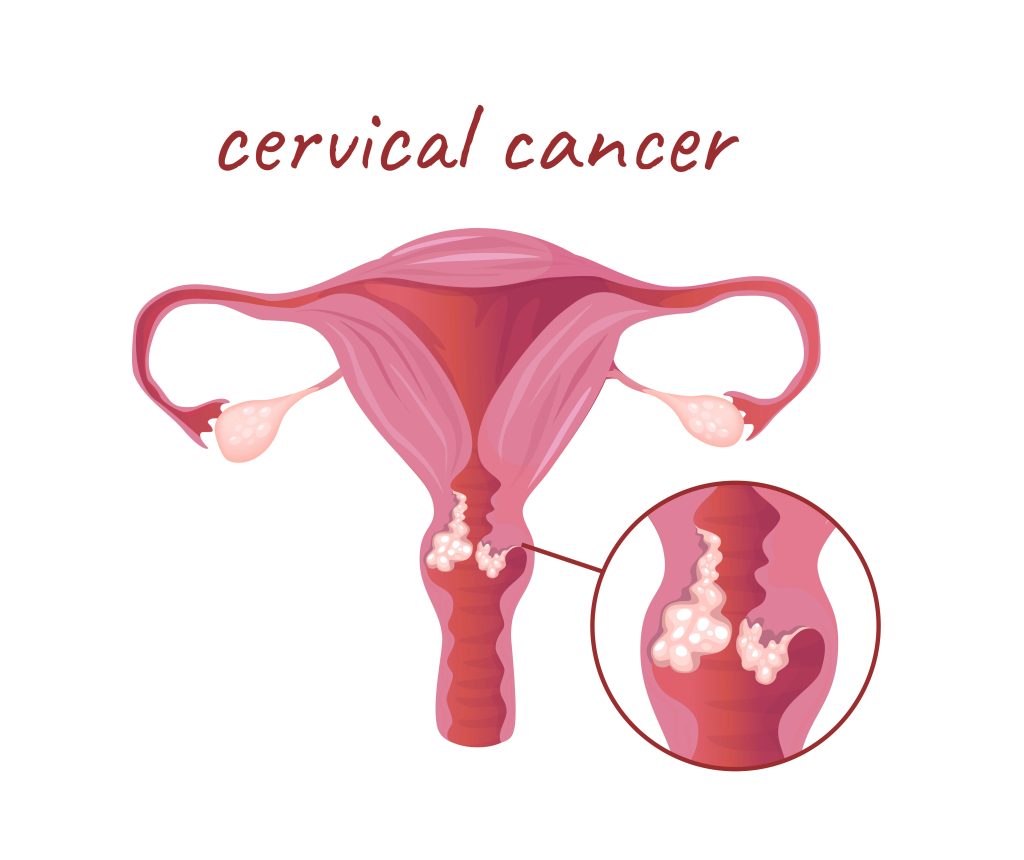
A gynecologic oncologist leads all treatment decisions for cervical cancer. Patients are usually referred by an OB-GYN specialist after an abnormal Pap test or colposcopy result. You can browse gynecologic oncology doctors on NowServing to find one near you.
Cervical cancer is staged from I to IV:
- Stage I: Cancer is confined to the cervix
- Stage II: Cancer has spread beyond the cervix but not to the pelvic wall or lower vagina
- Stage III: Cancer has reached the pelvic wall, lower vagina, or pelvic lymph nodes
- Stage IV: Cancer has spread to the bladder, rectum, or distant parts of the body
Detecting abnormal cells early through regular Pap tests or a colposcopy exam dramatically improves treatment outcomes and opens up simpler, less invasive options.
Surgery Options for Cervical Cancer
Surgery is the standard first-line treatment for early-stage cervical cancer. The type of surgery depends on the stage of the cancer and whether preserving fertility matters to the patient.

Cone Biopsy (Conization)
A cone biopsy removes a cone-shaped section of cervical tissue containing the abnormal cells. Doctors use it as both a diagnostic procedure and a treatment for early Stage I cases where cancer cells are limited to a small area of the cervix. For women who want to maintain the ability to have children, cone biopsy is often preferred over more extensive surgery.
Simple or Radical Hysterectomy
A simple hysterectomy removes the uterus and cervix only. Radical hysterectomy goes further, removing the uterus, cervix, part of the vagina, and surrounding tissue including the pelvic lymph nodes.
Radical hysterectomy is the standard surgical approach for Stage I and early Stage II cervical cancer. Surgeons work to protect healthy cells in surrounding tissue so patients retain the best possible quality of life after the procedure.
Pelvic Exenteration
Pelvic exenteration is a major surgery reserved for recurrent advanced cervical cancer, when cancer has returned after prior treatment. Depending on how far cancer cells have spread to other parts of the body, the procedure may remove the cervix, uterus, vagina, bladder, or rectum. For carefully selected patients, pelvic exenteration can be curative.
Radiation Therapy for Cervical Cancer
Radiation therapy uses high-energy beams to destroy cervical cancer cells. Doctors use it as a standalone treatment for early-stage disease or paired with chemotherapy for more advanced stages. Radiation oncology specialists can assess whether radiation is the right approach for your specific diagnosis.
External Beam Radiation Therapy
External beam radiation therapy (EBRT) directs radiation at the cervix from a machine positioned outside the body. A standard course runs 5–6 weeks of daily sessions. Because EBRT also affects healthy cells in the surrounding treatment area, radiation oncologists carefully calibrate each session to limit damage to nearby organs.
Brachytherapy (Internal Radiation)
Brachytherapy places a radioactive source directly inside the vagina, positioned close to the cervix, to deliver a concentrated radiation dose to the tumor. Compared to external radiation alone, brachytherapy causes less damage to nearby healthy cells. It is almost always given alongside external beam radiation therapy as part of a complete treatment course for cervical cancer.

Chemotherapy and New Treatment Options for Cervical Cancer
For Stage II and above, chemotherapy is added to radiation therapy to strengthen the treatment response. A combination of treatments is the standard of care for advanced cervical cancer. New cancer drugs introduced in recent years have expanded the options available when first-line chemotherapy is no longer effective.
Chemotherapy (Cancer Drugs)
The most widely used cancer drug for cervical cancer is cisplatin, typically given weekly during radiation therapy. Chemotherapy works by disrupting the ability of cancer cells to divide and grow. Because it also targets other fast-dividing cells in the body, including healthy cells, side effects such as fatigue, nausea, and hair loss are common.
Immunotherapy Drug
Pembrolizumab (Keytruda) is the leading immunotherapy drug approved for advanced cervical cancer. The drug works by blocking a protein that cancer cells use to hide from the immune system, allowing the body’s own defenses to recognize and attack cervical cancer cells. Pembrolizumab is used when cancer has progressed after initial chemotherapy and is an important new treatment option for recurrent or metastatic disease.
Targeted Therapy
Bevacizumab (Avastin) is a targeted cancer drug that disrupts the blood supply tumors depend on to grow. Doctors use it alongside chemotherapy for advanced and recurrent cervical cancer. These newer cancer drugs have improved survival outcomes for patients with Stage III and IV disease, especially when added to an existing combination of treatments.
Cervical Cancer Treatment Cost in the Philippines (2026)
The cost of cervical cancer treatment in the Philippines varies based on the hospital, the stage of the cancer, and which procedures are included in the plan. The figures below reflect typical private hospital rates.
| Treatment | Estimated Cost (PHP) |
| Cone Biopsy / LEEP | PHP 15,000 to PHP 40,000 |
| Simple Hysterectomy | PHP 100,000 to PHP 250,000 |
| Radical Hysterectomy | PHP 200,000 to PHP 500,000 |
| Radiation Therapy (full course) | PHP 150,000 to PHP 400,000 |
| Chemotherapy (per cycle) | PHP 20,000 to PHP 80,000 |
| Immunotherapy (per cycle) | PHP 100,000 to PHP 300,000 |
PhilHealth and HMOs can be used to significantly reduce out-of-pocket expenses. Ask your gynecologic oncologist or hospital social worker about current PhilHealth eligibility and HMO coverage amounts.
Prevention: The HPV Vaccine and Regular Screening
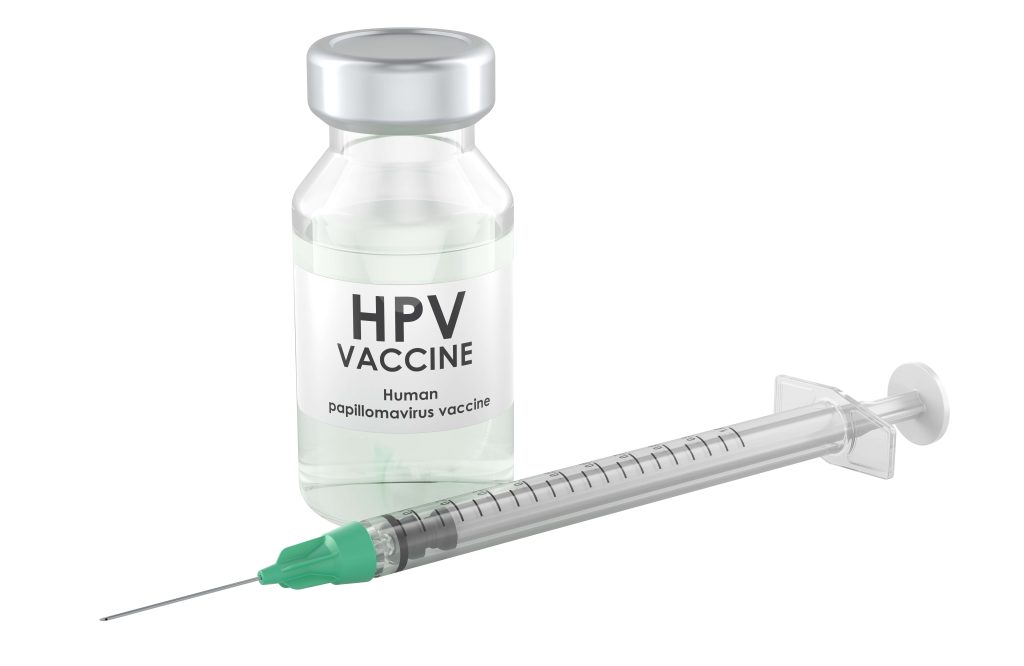
Your best protection against cervical cancer is preventing the HPV infection that causes it. Human papillomavirus is a sexually transmitted infection responsible for nearly all cases of cervical cancer worldwide. The HPV vaccine is recommended for girls and boys aged 9–14, before any exposure to the virus.
In the Philippines, the Department of Health offers a free HPV vaccine program for eligible Grade 4 female students, and private clinic vaccination is widely available. Vaccination reduces the risk of cervical cancer by up to 90% when given before HPV infection occurs, according to the World Health Organization.
For women who are already sexually active, regular Pap smears and HPV screening remain the most reliable early detection tools. Finding abnormal cells before they turn into cancer leads to earlier, simpler treatment and better long-term quality of life. Pap smear and HPV testing are bookable online on NowExpress.
Learn more about HPV management for cervical cancer prevention by reading our HPV blog archives.
How to Book a Doctor for Cervical Cancer on NowServing to Start Treatment?
Using NowServing to book doctors is an easy process. You can find doctors who are available for consultation immediately through the On-Demand feature. At the same time, you can select a specialist who works near your area for in-person doctor visits.
Here’s how:
- Access the Cervical Cancer page on the NS app or visit the NowServing website
- Browse the doctor directory featuring doctors that can help manage your cervical cancer
- You can check the doctor’s details for more information before booking your session
- Once you’ve settled on your preferred doctor, just click the “Book Appointment” appointment
- Wait for the doctor to accept your booking
Your doctor may request you to undergo screening procedures, you can visit our partner diagnostic clinics under the NS Connected Care Program.
Frequently Asked Questions (FAQs) About Cervical Cancer Treatment
What is the most common type of cervical cancer?
Squamous cell carcinoma is the most common type of cervical cancer, accounting for roughly 70% of all diagnosed cases according to the World Health Organization. This type starts in the flat squamous cells lining the outer surface of the cervix. Adenocarcinoma, which originates in the glandular cells of the cervical canal, is the second most common type.
What is the best treatment for early-stage cervical cancer?
Surgery is the primary treatment for Stage I cervical cancer. Cone biopsy covers the earliest cases, while hysterectomy is standard for more advanced Stage I disease. The best person to guide your decision is a gynecologic oncologist who can review your full diagnosis and stage.
Should I get a second opinion before starting treatment?
Getting a second opinion is strongly encouraged for any cancer diagnosis, including cervical cancer. Treatment decisions for advanced stages involve real complexity, and a second gynecologic oncologist may offer a different perspective or propose an alternative treatment plan. Most major Philippine cancer centers actively support second opinion consultations.
Is cervical cancer caused by a sexually transmitted infection?
In almost all cases, yes. Human papillomavirus is a sexually transmitted infection that causes nearly all cervical cancer cases globally. Other risk factors, such as smoking and a weakened immune system, can raise the risk for HPV-positive women.
Conclusion
Cervical cancer is serious, but treatment options in the Philippines have expanded significantly. Filipino patients now have access to surgery, radiation therapy, chemotherapy, and newer immunotherapy drugs across major hospitals in Metro Manila, Cebu, Davao, and beyond. The right cervical cancer treatment depends on the stage of the cancer, your overall health, and your personal goals for quality of life.
Find a gynecologic oncologist near you on NowServing and book an online consultation or in-person appointment today.