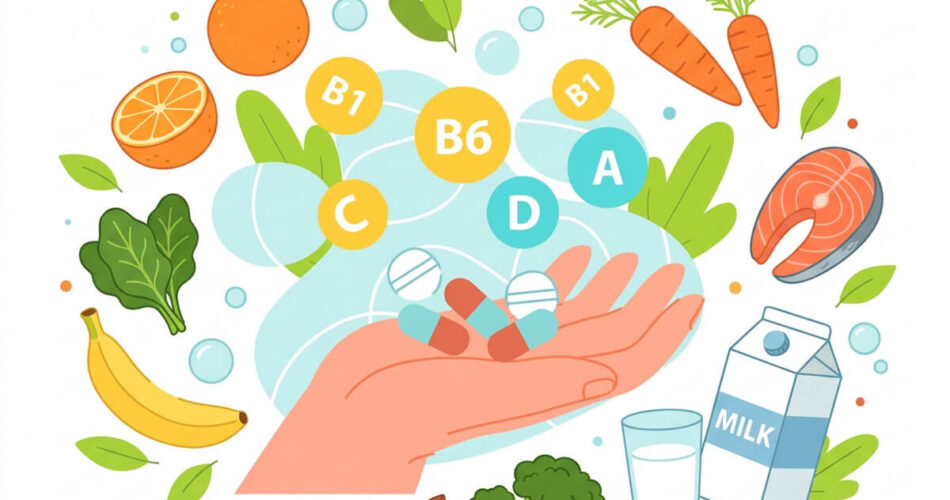
After childbirth, one of the parents’ priorities should be their child’s health and safety. That’s because the child’s immune system is still weak, which means they are prone to viral and bacterial conditions. While breast milk helps build proper immune function for the babies, doctors prescribe small amounts of vitamins for the immune system for kids for overall development. Whether or not you have a child, it is crucial to know the key methods to help with building your child’s immune system.
Good nutrition shapes proper growth and decides how well a child fights off the coughs, colds, and infections that fill every school year. This guide covers the key vitamins and minerals, the foods that supply them, and when a supplement makes sense. Let’s begin!
How a Child’s Immune System Works?
Your child’s body defends itself in two connected ways through innate and adaptive ways. The innate immune system is the first line of defense, using skin, mucus, and white blood cells to block germs on contact. Despite this form of defense, children with naturally poor immune systems can still get sick. That’s why it is important to keep them away from foreign substances that can possibly affect their health.
Meanwhile, the adaptive immune system learns over time, building immune cells that remember specific viruses and bacteria after exposure. That’s what the vaccines are for, to teach the person’s body to adapt and fight off the virus and bacteria. Doctors recommend parents to get their babies vaccinated to get the immunity they need.

Furthermore, another treatment that promotes adaptive factors is proper nourishment. This includes feeding nutritious foods or giving supplements. Unfortunately, according to DOST-FNRI, more kids under the age of 5 have been stunted due to chronic malnutrition. Still, that is a solvable problem once parents understand the importance of starting early and teaching their kids to have good eating habits.
Read this related article about Pinggang Pinoy plates for healthy meals.
Why Vitamins Matter for a Strong Immune System?
When children have an insufficient intake of essential nutrients, the first thing that gets affected is their immune function. Children with affected immune function may feel tired easily, have wounds that heal slowly, and catch illnesses frequently. So, it’s ideal to promote proper nutrition due to its effective way of strengthening their immune system.
Parents can start early planning, such as choosing certain foods when the baby is ready to eat solid foods. At the same time, plan healthy meals for your older children to support their growth and development.
Know the nutritious first foods you can give to your baby in this guide or refer to our go, grow, glow food guide for more nutritious food options.
Vitamins to Boost Immune System for Kids
When it comes to boosting your child’s immune system, you must be aware of the must-have nutrients to ensure their body’s full potential. These nutrients are commonly found in good dietary foods like leafy green vegetables, fruits, etc.

Vitamin C
Vitamin C is a classic immunity booster because it promotes healthy skin, supports white blood cells, and more. A vitamin C deficiency can leave children more open to infection and slow to heal. The body does not store it, so kids need a little every day from food. Most common food sources of Vitamin C are citrus fruits such as oranges, lemons, and calamansi, along with guava, strawberries, bell peppers, and tomatoes.
Vitamin D
On the other hand, Vitamin D focuses on strengthening one’s bone health. Vitamin D helps you to absorb phosphorus and calcium for your bones. It also supports the immune system as it fights against bacterial and viral infections. The body makes vitamin D from sunlight exposure, so short, safe periods of outdoor play help. Many children do not get adequate vitamin D, especially those who spend most of the day indoors. For food sources of Vitamin D, you can get it by consuming fatty fish like salmon and sardines, egg yolks, and fortified dairy products.
Zinc
This mineral supports the immune cells that attack bacteria and viruses, and it helps wounds heal. Low zinc can weaken a child’s immune response and stretch out recovery from common illness. It also plays a part in appetite and proper growth, both of which matter for picky eaters. You will find zinc in lean meats, poultry, eggs, dairy products, beans, and nuts.
Vitamin E
Acting as an antioxidant, vitamin E protects immune cells from damage and supports a steady immune response. It works alongside vitamin C to keep the body’s defenses strong. Together they help shield healthy cells while the body fights an infection. Top sources are green leafy vegetables, nuts, seeds, and vegetable oils.
Vitamin A
Often tied to eye health, vitamin A keeps the skin and the linings of the gut and lungs strong, which act as physical barriers against germs. These barriers are an early part of immune system function. When they stay healthy, fewer germs get past them in the first place. You can get it from orange and yellow vegetables like squash and carrots, green leafy vegetables, egg yolks, and dairy products.
NOTE: Doctors can also prescribe supplements containing these nutrients when deemed necessary. For babies, doctors recommend drops of doses. Visit your child’s pediatrician to know which vitamin e supplements, zinc supplements, etc. should you buy.
When Does Your Child Need Vitamin Supplements?
A good diet for your children’s health must include easy to digest vegetables and fruits, especially during their early stages. In terms of older children, they should consume healthy foods consisting of balanced and nutritious ingredients for their health. However, if nutrients become insufficient through whole foods, that’s where supplementation comes in. Supplement works best as a backup that fills the gaps rather than adding new foods in 1 day.
Children who may benefit from a supplement include:
- Picky eaters: Kids who refuse whole food groups can miss key vitamins and minerals.
- Limited sunlight exposure: Children who stay indoors often fall short on adequate vitamin D.
- Certain health conditions: Some conditions change how the body absorbs essential nutrients.
- Frequent illnesses: Kids who get sick often may have gaps worth checking with a doctor.
Talk to a pediatrician before buying a supplement medication for your child. Doctors will provide the right amount of dose based on your kid’s age. Thus, ensuring the children’s health.
Common Brands of Vitamins for Immune System for Kids

Many over-the-counter children’s vitamins are sold in Philippine pharmacies as syrups, drops, or chewable tablets. Here are a few brands doctors prescribe.
- Ceelin and Ceelin Plus: Vitamin C products for kids, with a zinc-added version marketed for immune support.
- Nutroplex: A multivitamin, mineral, and lysine syrup used for everyday nutritional support.
- Cherifer: A multivitamin line with chlorella growth factor, zinc, and taurine, marketed for growth and development.
- Growee: A children’s syrup that pairs vitamin D with chlorella growth factor for bone and muscle support.
Some appetite-focused multivitamins, such as certain Propan and Appebon variants that contain buclizine, need a doctor’s prescription and should never be bought on your own. Always consult your child’s pediatrician, and follow their advised recommendations.
How to Book a Pediatrician Consultation on NowServing
When your child gets sick due to a poor immune system, you should always contact your pediatrician. This doctor can help with any health concerns for young children from 0 to 18 years old. If you don’t have a trusted pedia doctor yet, you can start looking for one on NowServing. Here’s how!
- Open the NowServing app and find “Pediatrics” or visit the Pediatrics page on the NowServing website
- Browse the doctor directory and select one
- Choose your type of consultation (in-person or online consultation)
- Schedule your session and pay for the consultation fee immediately if you’ve chosen online consultation
- Pay the fee to the doctor’s secretary on the day of the consultation if you’ve chosen in-person consultation
Once your child becomes an official patient of a NowServing doctor, you’ll receive a NowServing Baby Book access on the NowServing app. You can use this to monitor your child’s growth, track vaccinations that are due, and tick-off achieved milestones.
Frequently Asked Questions About Vitamins for Kids
What are the best vitamins for immune system for kids?
Vitamin C, vitamin D, zinc, vitamin E, and vitamin A all play a key role in immune function. The best way to get them is through a balanced diet of fruits, vegetables, fatty fish, eggs, and lean protein, with supplements only when a doctor advises them. Offer a colorful mix of produce and protein at each meal to cover the full range.
Can my child get enough vitamins from food alone?
Most children who eat a varied, balanced diet get the essential nutrients their immune system needs. Picky eaters or kids with certain health conditions may fall short, so a pediatrician can check whether a supplement is needed. A short food diary can show you which groups your child regularly skips.
Are vitamin supplements safe for children?
Supplements are generally safe when given at the right dose for a child’s age. Too much of some vitamins can cause harm, so always confirm the form and amount with a doctor before starting. Choose a product made for your child’s age and never give adult doses.
How do I know if my child has a vitamin deficiency?
Signs can include frequent illnesses, low energy, slow healing, and poor appetite. A pediatrician can confirm a deficiency through a physical examination and, when needed, simple blood tests. Keep a simple note of symptoms to share at the visit, which speeds up the check.
Conclusion
Whether your approach is giving good dietary sources or partnering it with vitamin supplements just to give your child the help they need, it is still important to seek professional help. Pediatricians can assess your child’s health, especially if they’ve suffered from multiple times of fever, flu, cold, etc. These symptoms are a sign of a failing immune system.
This doctor can assist in providing the best vitamins for immune system for kids, like vitamin C, vitamin D, zinc, vitamin E, and vitamin A. These are attainable through whole foods and supplementation. With these key factors, parents can ensure that their child can grow healthier with a strong-built immune system.
Find a trusted pediatrician on NowServing and book your child’s online consultation today.