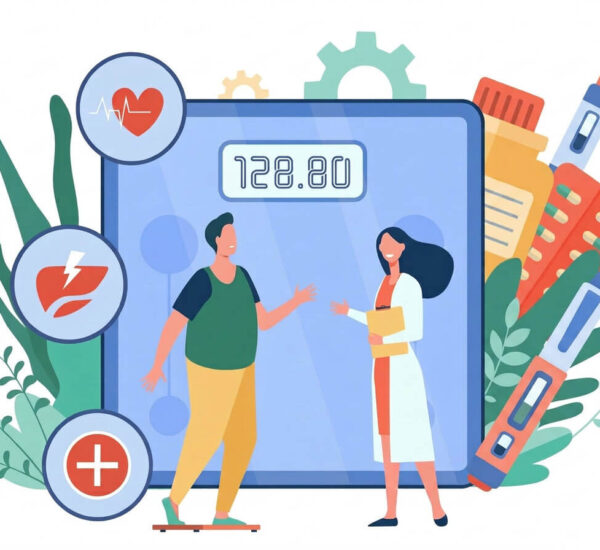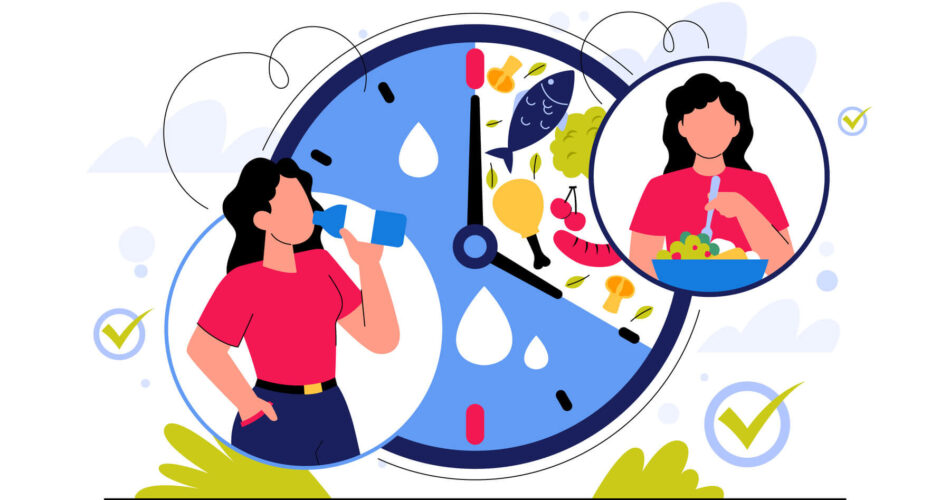
Many people have been searching for the perfect technique to lose weight fast. Common options people try are crash diets and detox teas that promise a smaller number on the scale within days. The catch is that weight that drops in a short time often returns once you go back to your normal diet, and rapid weight loss can bring side effects your body pays for. This guide explains how weight and health connect, why losing weight matters, and how to lose weight fast in a healthy way.
Health and Weight: Connection
To monitor healthy weight, doctors in the Philippines use Asian cutoffs for body mass index. A BMI of 23 to 24.9 counts as overweight, while a BMI of 25 and above counts as obesity, which doctors treat as a chronic disease. When a person becomes obese, they are at high risk in developing other chronic conditions.

A raised body mass index is linked to type 2 diabetes, cardiovascular disease, and several cancers, according to the World Health Organization’s fact sheet on obesity. Furthermore, your body weight affects your heart, joints, and blood sugar every day. Extra body fat strains all of these systems over time. These health problems develop slowly, so weight gain is easy to ignore until a checkup detects them.
Willpower is only one piece that can help you lose weight. However, you must also apply the correct methods so your body and health won’t suffer.
Read this related article on obesity to understand how excess weight affects the body.
Common Reasons Why Losing Weight Must Happen
You do not need to lose a lot of weight to see better health. Small changes in your weight can already lower your blood pressure and blood sugar, setting you up for a healthier life
Here are the common health conditions triggered by excessive weight gain:
- Heart disease risk: Excess body fat raises cholesterol and blood pressure, two big drivers of heart disease and stroke.
- High blood sugar: Extra weight makes your cells respond poorly to insulin, which can lead to prediabetes and type 2 diabetes.
- Raised blood pressure: Your heart works harder to pump blood through a larger body.
- Joint pain: Your knees, hips, and lower back carry every extra kilo.
- Poor sleep: Fat around the neck can narrow your airway at night, causing loud snoring and sleep apnea..
If high blood sugar runs in your family, read this related article about diabetes doctors. You can also check which doctor to see for diabetes.
How to Lose Weight Fast?
A safe pace matters more than speed. People who lose weight at a gradual, steady pace are more likely to keep it off, according to the U.S. Centers for Disease Control and Prevention. Pushing past that pace carries real side effects. Losing weight very quickly may raise your chances of forming gallstones, and losing and regaining weight repeatedly adds to that risk, according to the U.S. National Institute of Diabetes and Digestive and Kidney Diseases.
Crash diets that cut too much weight at once also strip away muscle mass along with body fat, which slows your metabolism and invites weight gain later. Healthy weight loss is sustainable weight loss: steady enough to protect your body and keep the weight off.
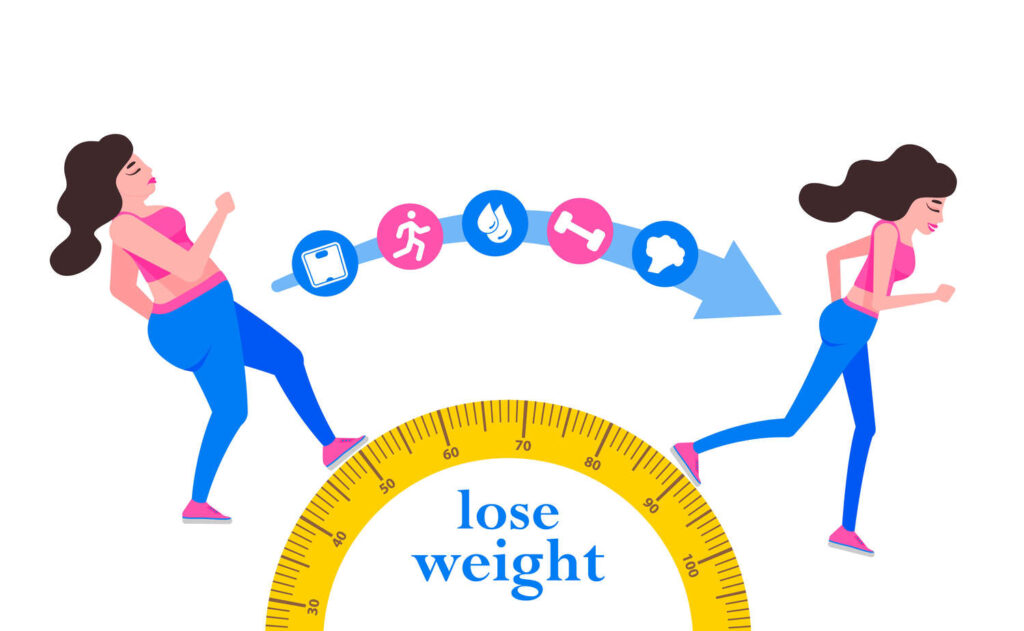
These three approaches work together:
Lifestyle Changes
Daily habits drive most weight loss, and they are the part you control. Swap one of your old eating habits at a time, since small changes are easier to keep for the long term.
- Build a balanced plate: Follow Pinggang Pinoy, the DOST-FNRI guide to a healthy diet that builds each meal around Go (rice), Grow (fish or lean meat), and Glow (vegetables and fruits) foods. Vegetables and fruits take up the biggest share.
- Watch your portion size: Use your hand as a guide, with a fist-sized serving of rice and a palm-sized piece of fish or lean meat. Eat from similar plates every day, since similar plates keep your portion size easy to judge.
- Choose whole grains: Brown rice, oats, and whole wheat bread keep you full longer, so you eat fewer calories.
- Make carinderia swaps: Pick inihaw, sinigang, or steamed dishes over fried ones, ask for brown rice when available, and choose water over soft drinks.
- Add healthy fats in small amounts: Fish, nuts, and avocado give you healthy fats that support your heart better than lard or chicharon.
- Move every day: Regular physical activity such as brisk walking, cycling, or dancing burns body fat, while strength training protects your muscle mass.
- Get enough sleep: Short sleep raises hunger hormones, which makes healthy choices harder and pulls you back toward old eating habits.
- Use fasting and shakes with care: Intermittent fasting and meal replacements can help some people eat fewer calories in a short time. Both work only as part of a bigger plan, so check with a doctor first.
- Join a support group: Family, friends, or coworkers who share your goals make healthy choices easier to keep.
Check diet plans for weight loss and Pinoy plates to build an eating plan around Filipino food.
Consulting a Doctor for Weight Loss
Seeing a doctor for weight loss management helps when lifestyle changes alone have not worked, or when you have diabetes, high blood pressure, or a thyroid problem. Your doctor then decides with you which weight loss plan fits your body and goals.
The first visit is mostly a conversation, and the doctor usually checks:
- Medical history: Past diets, current medicines, family history, and eating habits.
- Body measurements: Body mass index, waist size, and blood pressure.
- Lab tests: Blood sugar, cholesterol, and thyroid function, when needed.
Medical Weight Loss Treatment
Some people need more than a basic diet plan to reach a healthy weight. Your doctor may recommend a medically supervised weight loss program with a structured eating plan, regular physical activity, and sometimes a support group. There are also prescription medicines your doctor may prescribe for weight management, though not everyone qualifies and the doctor decides based on your health and the possible side effects.
For severe obesity with related health problems, a doctor may also discuss weight loss surgery, which still works alongside a healthy lifestyle.
How to Book a Doctor on NowServing to Lose Weight Fast
Skip the long queues and use NowServing, one of the leading healthcare apps in the Philippines, to find a doctor who can guide your weight loss program.
Here is how to book a doctor on NowServing:
- Visit the NowServing weight loss management page.
- Choose a doctor from the directory who offers weight management consultation.
- Complete the booking form and select your preferred schedule.
- Wait for the doctor to accept your booking.
You can also find other doctors for weight loss consultation by reading this full guide.
Frequently Asked Questions (FAQs) About Losing Weight Fast
Is it safe to lose weight fast?
Losing weight fast is safe only at a steady pace. The healthy way is a balanced diet with regular physical activity, since very rapid weight loss can cause gallstones, muscle loss, and weight regain.
How long does it take to lose weight safely?
The timeline depends on your starting weight, health, and daily habits, so let your doctor set a pace that fits you. Losing much weight too quickly often means losing water and muscle, and the weight returns once you go back to a normal diet.
Does intermittent fasting help you lose weight fast?
Intermittent fasting can help some people eat fewer calories, but only when your meals follow a healthy diet with whole grains, vegetables, and lean meat or fish. The same goes for meal replacements, so ask a doctor first. If you have diabetes, see a specialist for diabetes before changing how you eat.
Which doctor should I see to lose weight?
Start with an endocrinologist or an obesity medicine specialist if you have a lot of weight to lose or suspect a hormone problem. A dietitian can then help you build a sustainable weight loss eating plan.
Conclusion
Losing weight fast is possible, but healthy weight loss happens at a steady pace that protects your muscle mass and keeps the weight off. A balanced diet, daily movement, and enough sleep are the lifestyle habits that bring better health over the long term.
Book an obesity medicine specialist on NowServing today for a weight loss plan made for your body, and let your doctor help you build a healthy lifestyle for a healthier life.
Prefer to start online? Begin a weight assessment on NowExpress, where a doctor reviews your answers before any next step.
References:
World Health Organization, Obesity and overweight fact sheet, 7 October 2026
Centers for Disease Control and Prevention, Steps for Losing Weight, 17 January 2025
National Institute of Diabetes and Digestive and Kidney Diseases, Dieting & Gallstones, last reviewed November 2017