Influenza, commonly known as the flu, is a contagious respiratory illness caused by influenza viruses. Unlike the common cold which develops gradually, the flu strikes suddenly and with greater intensity. That’s why being vigilant of the flu symptoms matters to help manage your health.
These symptoms can vary dramatically from person to person and across different age groups. What presents as a mild fever in a healthy adult might signal a dangerous complication in young children or elderly family members. Discover more details about the influenza outbreak Philippines symptoms, especially with the current flu season in the Philippines. Let’s begin!
What is a Seasonal Flu?

Seasonal flu or seasonal influenza is one of the common health problems that affects the respiratory health of people of all ages. It occurs when contagious influenza viruses are airborne, which can be inhaled by healthy people, leading to the cold symptoms escalating to flu. This illness commonly occurs in the Philippines during the rainy seasons.
This type of serious illness is often dismissed by Filipinos due to mild influenza symptoms in the Philippines
- cough
- sore throat
- fever
Such symptoms commonly appear 1-4 days after exposure. Thus, the importance of getting an influenza vaccination is a must.
Read this related blog to identify the vital vaccines to build-up your child’s immune system against infectious diseases.
The Classic Flu Symptoms in the Philippines
As mentioned, when you have the flu, your body reacts to it, which can be recognized as symptoms. These symptoms are signs of the body’s immune response against an infection.
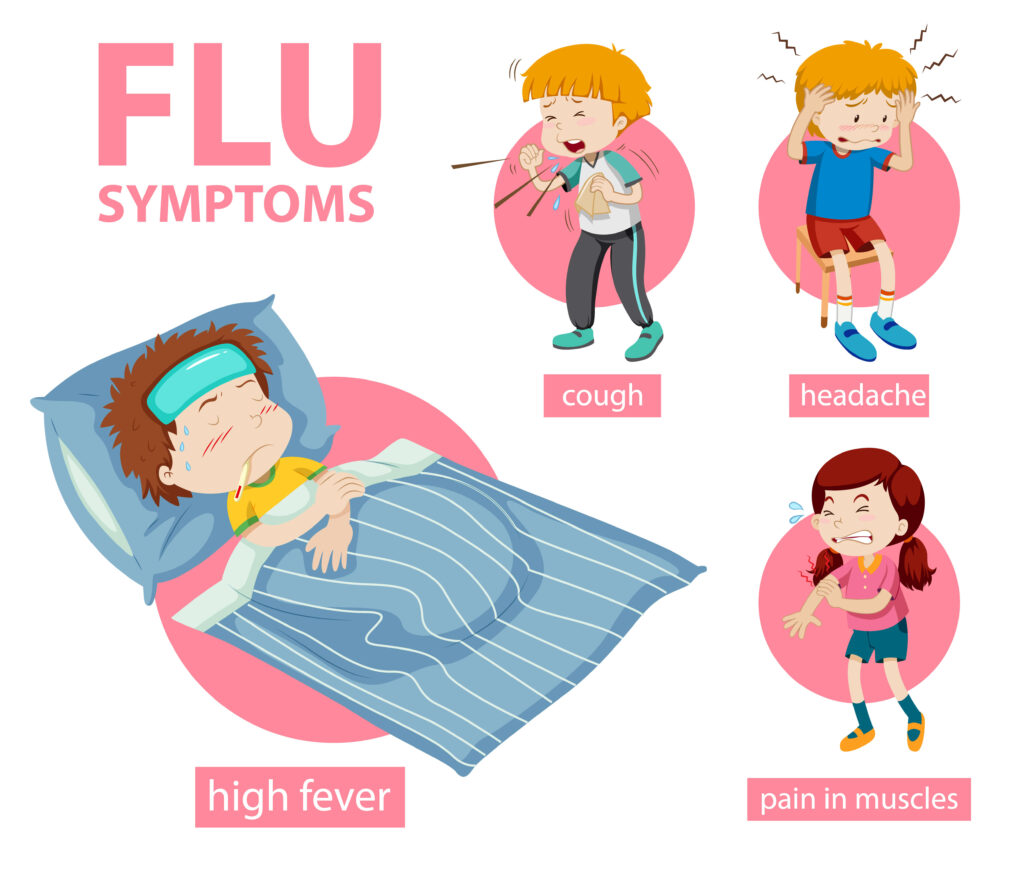
Here are the common flu symptoms:
Fever and Chills
A sudden high fever, often 38°C (100.4°F) or higher, is one of the hallmark signs of influenza. Unlike other illnesses where fever builds gradually, flu-related fever typically spikes quickly with intense chills and sweating. You might find yourself piling on blankets one moment and throwing them off the next.
Read this article to manage fever through medication
Body and Muscle Pain
Another common symptom is the aching sensation throughout your body—especially in your back, arms, and legs. This muscle pain can be severe enough to make even simple movements uncomfortable.
Dry Cough and Nasal Problem (Stuffy or Runny Nose)
Meanwhile, flu can attack the respiratory system, leading to several uncomfortable symptoms. These include a dry cough, stuffy nose or runny nose with nasal discharge, and chest discomfort that worsens with coughing.
Headache and Fatigue
If you have a fever, most likely you’ll experience headache and fatigue. These symptoms are common due to the feeling of tiredness while the body fights against the virus. You can experience total depletion of energy, making it difficult to do your daily activities.
Influenza Symptoms Across Different Age Groups
While most people experience these symptoms, it is important to remember that there can be varying symptoms. There are cases wherein an adult patient can experience manifestations of symptoms that can be dangerous to child patients. That’s why being familiar with flu symptoms is crucial to manage the illness better.

Flu Symptoms in Young Children
Young children, especially those under five years old, face unique challenges with the flu. Their developing immune systems and inability to clearly communicate how they’re feeling make monitoring them closely essential.
Watch for these signs in your little ones:
- high fever (often above 39°C or 102°F) with increased fussiness
- decreased appetite and refusal to eat or drink
- unusual sleepiness or difficulty waking
- rapid or labored breathing
- bluish skin color especially around the lips
- dehydration signs like reduced urination.
If your child becomes unresponsive, has difficulty breathing, or the fever persists beyond three days, seek immediate medical attention.
Flu Symptoms in Adults
Healthy adults typically experience the full range of flu symptoms but usually recover without complications. However, high-risk adults should monitor their symptoms carefully (e.g., those with weakened immune system, chronic health conditions, or pregnant women).
For most adults, symptoms follow a predictable pattern:
- sudden onset of fever and chills,
- respiratory symptoms like runny nose, dry cough, etc.
- body aches.
The acute phase typically lasts 3 to 7 days, while cough and fatigue can persist for 2 weeks or longer. Visit a doctor for medical assistance and proper management of the symptoms.
Flu Symptoms in the Elderly
Older adults, particularly those over 65, face the highest risk of flu complications. Their symptoms might present differently than in younger people.
In the elderly, watch for the following symptoms of the flu:
- confusion or sudden changes in mental status
- worsening of existing chronic conditions like diabetes or heart disease
- weakness and increased fall risk
- lower-than-expected fever or even absence of fever
- difficulty breathing or shortness of breath
The elderly often have a diminished immune response, meaning symptoms might be less obvious while the infection is actually more dangerous. At the same time, they’re at a higher risk to develop serious problems due to a low immune system. When in doubt, always choose to visit an infectious disease doctor for health assessment and consultation.
Warning Signs That Require Immediate Medical Attention
Severe Flu Symptoms
While most people recover from the flu at home with rest and fluids, certain symptoms signal serious complications. These warning signs mean it’s time to stop monitoring and start seeking help.
- Difficulty Breathing or Shortness of Breath – If you or a family member experiences chest pain, pressure in the chest, or struggles to catch their breath, this could indicate pneumonia or other severe respiratory complications. Don’t wait—seek medical care immediately.
- Persistent High Fever – A fever that remains above 39°C (102°F) for more than three days despite medication suggests a possible bacterial infection or flu complications. A fever that improves and then returns with worse symptoms also requires evaluation.
- Severe Dehydration – Signs include extreme thirst, very dark urine or absence of urination, dizziness when standing, and dry mouth. Dehydration becomes dangerous quickly, especially in young children and elderly patients.
- Neurological Symptoms – Confusion, seizures, severe headache with stiff neck, or difficulty waking up are emergency symptoms. These could indicate flu-related neurological complications.
- Worsening of Chronic Illness- If you have asthma, diabetes, heart disease, or other chronic conditions that suddenly worsen during the flu, contact your healthcare provider promptly.
How to Protect Your Family from the Flu

While this article focuses on recognizing flu symptoms, prevention remains your best defense. Here’s what you can do to protect yourself and your loved ones.
- Get Vaccinated – The annual flu vaccine is your strongest protection against seasonal influenza. While it doesn’t guarantee you won’t get the flu, it significantly reduces the risk of flu complications and severe illness. Check out adult vaccinations and children vaccinations for influenza vaccine
- Practice Good Hygiene – Wash hands frequently with soap and water, cover coughs and sneezes with your elbow, avoid touching your face especially your eyes, nose, and mouth, and stay away from people who are sick.
- Boost Your Immune System – Get adequate sleep (7-9 hours for adults), eat nutritious foods rich in vitamins and minerals, exercise regularly to maintain overall health, and manage stress through relaxation techniques.
- Create a Healthy Home Environment – Ensure good ventilation in living spaces, regularly clean frequently-touched surfaces, and keep sick family members isolated when possible.
Visiting A Doctor for Flu
Whether you need flu vaccination or in need of doctor check-up to manage those symptoms, you must visit an infectious disease doctor.
Here’s how you can find an infectious disease doctor near you using NowServing.
- Visit the infectious disease page by accessing this link or open the NowServing app
- Check the list of infectious disease doctors in the Philippines, and choose your preferred doctor
- Schedule an appointment by tapping the “Book Appointment” button
- Wait for the doctor to approve your session
Take note that you can also visit a type of doctor that best suits you. For instance, if the patient is a child, then visiting a pediatric doctor is recommended. Meanwhile, an older adult patient may benefit more if they visit a doctor specializing in geriatric medicine or palliative care.
Frequently Asked Questions (FAQs) About Symptoms of Flu
What is the difference between COVID-19 symptoms and flu symptoms?
While there are similar symptoms between these infectious diseases, it is important to remember that COVID-19 includes loss of taste or smell. Patients with flu don’t experience such symptoms.
Can antibiotics treat the flu?
No, antibiotics don’t work against influenza viruses because the flu is a viral infection, not a bacterial infection. However, your doctor might prescribe antiviral medications like oseltamivir if you’re seen within the first 48 hours of symptom onset. Antibiotics are only prescribed if you develop a secondary bacterial infection like pneumonia.
How long am I contagious because of the flu?
You’re most contagious during the first 3-4 days after your flu symptoms begin. However, you can spread the virus from one day before symptoms start until about 5-7 days after becoming sick. This is why staying home from work or school when you’re sick is so important.
Should I go to the emergency room if I have the flu?
For typical flu symptoms, the emergency room isn’t necessary. Most people can manage at home with rest, fluids, and over-the-counter medications. However, go to the ER if you experience severe symptoms like difficulty breathing, chest pain, sudden dizziness, confusion, or severe vomiting. For non-emergency concerns, consider an online consultation first or book an immediate online consultation using the on-demand doctor consultation of NowServing.
What is the difference between the seasonal flu symptoms and super flu symptoms Philippines in 2026?
Super flu in 2026 is a health risk announced by the Department of Health (DOH) in the first week of Jan. While it is considered a super flu, take note that its symptoms are still the same as the seasonal flu that occurred previously from July of 2025 onwards. There are super flu cases in the Philippines, but only a number of cases were recorded. These patients contracted the new variant of flu virus, subclade K or H3N2.
Conclusion
Recognizing flu symptoms early and knowing which signs require medical attention can make a significant difference in your recovery. With seasonal flu affecting most Filipinos today, it’s best to be aware of the potential threat that this condition brings.
Whether you need guidance on managing symptoms at home or suspect you need medical intervention, modern healthcare options make getting care easier than ever. Get the medical care you need to manage your flu symptoms today by consulting a cold & flu doctor or an infectious disease specialist.