You know that feeling when you can’t find the right English word for what you’re going through?
Maybe it’s “lungkot” but heavier. Maybe it’s the weight of “hiya” that your therapist keeps calling “shame,” but it’s not exactly shame. It’s more layered than that, more personal, more tied to your family and your identity as a Filipino.
If you’re a Filipino living abroad, you’ve probably tried therapy at some point. Or at least thought about it. And if you did try, there’s a good chance you spent half the session explaining your life instead of actually working through it.
That’s why more Filipinos overseas are doing something that would’ve sounded strange five years ago: booking a Filipino therapist online, someone licensed in the Philippines who does sessions over video call.
This isn’t a workaround. It’s becoming the preferred option, and for reasons that go deeper than convenience or cost.

The language problem nobody talks about
Therapy is built on words. The whole process depends on your ability to describe what you’re feeling, precisely, in the moment. And for a lot of Filipinos, the deepest feelings don’t come out right in English.
“Nakakahiya” isn’t embarrassment. “Tampo” doesn’t translate to “sulking.” “Pagod” can mean tired, but it can also mean emotionally drained, burnt out, and done with everything. When you tell your therapist in Toronto that you feel “pagod,” and they hear “tired,” the conversation goes somewhere completely different from where it needs to go.
A Filipino psychologist catches the full weight of that word. They don’t need the footnote.
A 2023 study published in the Asian American Journal of Psychology found that language concordance between therapist and client significantly improved treatment engagement and outcomes among Filipino Americans. Patients who could switch between English and their native language reported feeling more understood and stayed in therapy longer.
This makes sense if you think about it. Therapy asks you to be vulnerable. That’s hard enough in your first language. Doing it through a translation layer, where every emotion has to be converted into the closest English equivalent before you can say it, adds friction to a process that’s already uncomfortable.
And it’s not about English fluency. Many Filipinos abroad are perfectly fluent in English. They use it at work, with friends, in everyday life. But emotional processing happens in a different register. When you’re sad, stressed, or overwhelmed, the words that surface first are often the ones you grew up with. A Tagalog therapist, or one who’s comfortable with Taglish, lets you access that without stopping to translate.
Culture isn’t background information. It’s the whole context.
Here’s what usually happens when a Filipino books a therapist abroad: the first few sessions turn into a crash course on Filipino culture.
You explain why you send money home every month, even when you can barely afford it. You explain why your mom calls every day and you can’t “set boundaries” the way the self-help books say. You explain “utang na loob” and why it makes you feel like you owe your parents for the rest of your life, even though they’d never frame it that way themselves. You explain “pakikisama” and how it means you’d rather suffer quietly than create conflict in the group.
A Western therapist might understand each of these things intellectually. But they’re working from a framework built around individualism, where the self is separate from the family, where setting boundaries is healthy, and where your decisions should ultimately serve your own wellbeing.
Filipino psychology doesn’t work that way. Family isn’t separate from self. It IS the self. And a therapist who understands culturally informed care for Filipinos knows that telling someone to “set boundaries with your parents” can cause more distress than whatever they came in for.
Instead of spending your first three sessions providing context, you can start working on the actual problem. That’s a real difference when sessions cost real money and you only have an hour.
Who can provide therapy in the Philippines?
If you’re going to book a mental health professional in the Philippines, it helps to understand who does what. The credentials are different from what you might be used to abroad.
A psychiatrist is a medical doctor who specialized in mental health. They can diagnose conditions, prescribe medication, and provide therapy. In the Philippines, they’re licensed by the Professional Regulation Commission (PRC). If you think you might need medication for anxiety, depression, or other conditions, a psychiatrist is the right starting point.
A registered psychologist (RPsy) has a master’s degree in clinical psychology and is PRC-licensed under RA 10029. They can conduct psychological assessments, diagnose, and provide therapy. They can’t prescribe medication. If you want talk therapy with someone who can do formal assessments, this is who you’d see.
A registered guidance counselor (RGC) is PRC-licensed under RA 9258 and typically holds a master’s degree in guidance and counseling. They provide counseling for personal, career, and emotional concerns. They’re a good option for general stress, adjustment issues, relationship problems, and life transitions.
A registered psychometrician (RPm) administers and scores psychological tests under the supervision of a psychologist. They don’t provide therapy independently.
And then there are psychotherapists, which is a broader term. In the Philippines, psychotherapy can be practiced by psychiatrists, RPsys, and some RGCs with additional training in specific approaches like CBT, psychodynamic therapy, or other modalities.
The key thing: look for PRC-licensed professionals. The license number is verifiable. This protects you from unlicensed practitioners, which is especially important when you’re booking from overseas and can’t walk into a physical clinic to check credentials.
Read this related article to know other treatment options aside from therapy sessions.
What changed: telehealth made this possible
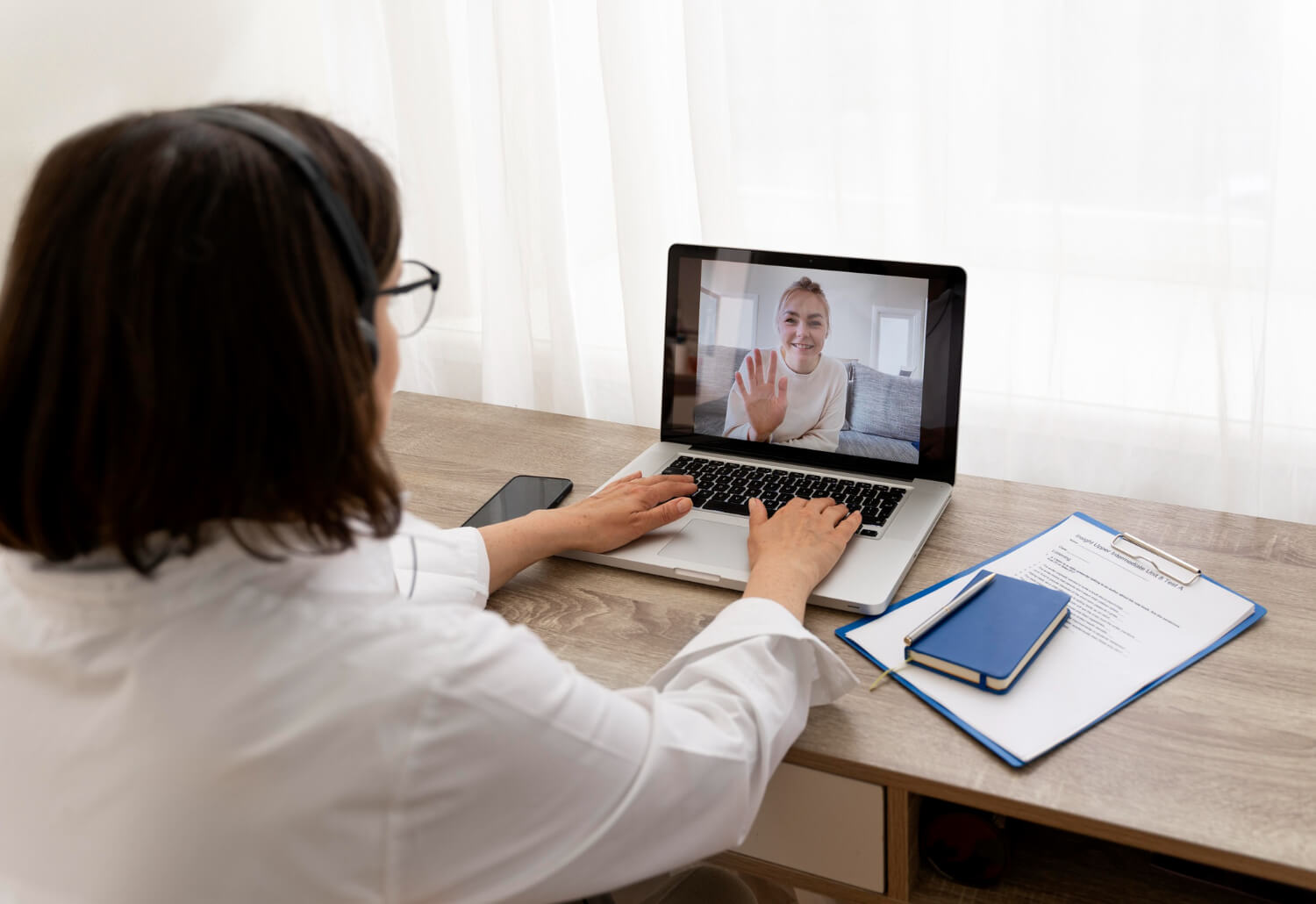
Even five years ago, booking a Filipino therapist online from abroad wasn’t really an option. If you wanted a Filipino therapist, you’d have to fly home. Some people actually did this, timing their mental health appointments around vacation trips.
The pandemic changed the infrastructure. Licensed Filipino psychiatrists, psychologists, and counselors set up for telehealth. They invested in proper scheduling systems, secure video connections, and the ability to handle patients from different countries and time zones.
The Mental Health Act (RA 11036), signed in 2018, also helped. It established mental health as a basic right in the Philippines and expanded access to services, including through technology. The Department of Health followed up with guidelines that formalized telehealth as a legitimate mode of delivery for mental health services.
Platforms like NowServing brought it all together. You can browse verified therapist profiles, see their specialties and credentials, check consultation fees upfront, and book directly. No referrals, no waitlists, no guessing whether they speak Filipino or Tagalog.
The technology itself isn’t complicated. It’s a video call. What’s different is that the entire system, from finding a therapist to booking to paying, is now designed to work for someone sitting in Dubai or Melbourne or London.
Find NowServing mental health specialists who are available for online consultation in this guide.
How to choose the right Filipino therapist online
Having access to online therapy is one thing. Choosing the right therapist is another. Here’s what to actually look at.
Check credentials first. You want someone who is PRC-licensed. A registered psychologist (RPsy) or psychiatrist will have a license number you can verify with the PRC. If someone claims to be a therapist but can’t provide a license number, move on.
Match the specialty to your concern. A therapist who specializes in anxiety will approach your session differently from one who focuses on family therapy or trauma. Read the profile. If you’re dealing with OFW-related stress, look for someone who lists adjustment issues, migration, or cross-cultural concerns in their practice areas.
Language matters more than you think. Even if a therapist is Filipino, confirm that they’re comfortable doing sessions in the language you prefer. Some practitioners do sessions primarily in English. Others are fluent in Tagalog, Cebuano, or other regional languages. If you want to switch between English and Filipino mid-sentence (which most Filipinos naturally do), make sure that’s going to work.
Look at their approach. Therapists use different methods. CBT (cognitive behavioral therapy) is common and evidence-based, good for anxiety and depression. Psychodynamic therapy goes deeper into patterns from your past. Some therapists use an integrative approach, pulling from multiple frameworks. If you have a preference, most profiles will mention their primary modality.
Watch for red flags. Unlicensed practitioners, anyone who guarantees specific outcomes (“I’ll cure your depression in 3 sessions”), therapists who pressure you into packages before you’ve even had a first session, or anyone who isn’t transparent about their fees. A legitimate therapist will be upfront about what they charge and what to expect.
Trust your instinct after the first session. Therapeutic fit is real. If something feels off, it’s OK to try someone else. It doesn’t mean therapy doesn’t work for you. It means that particular person wasn’t the right match.
You can also read this related article to find licensed online specialists on NowServing.
Online therapy for OFWs and Filipinos abroad
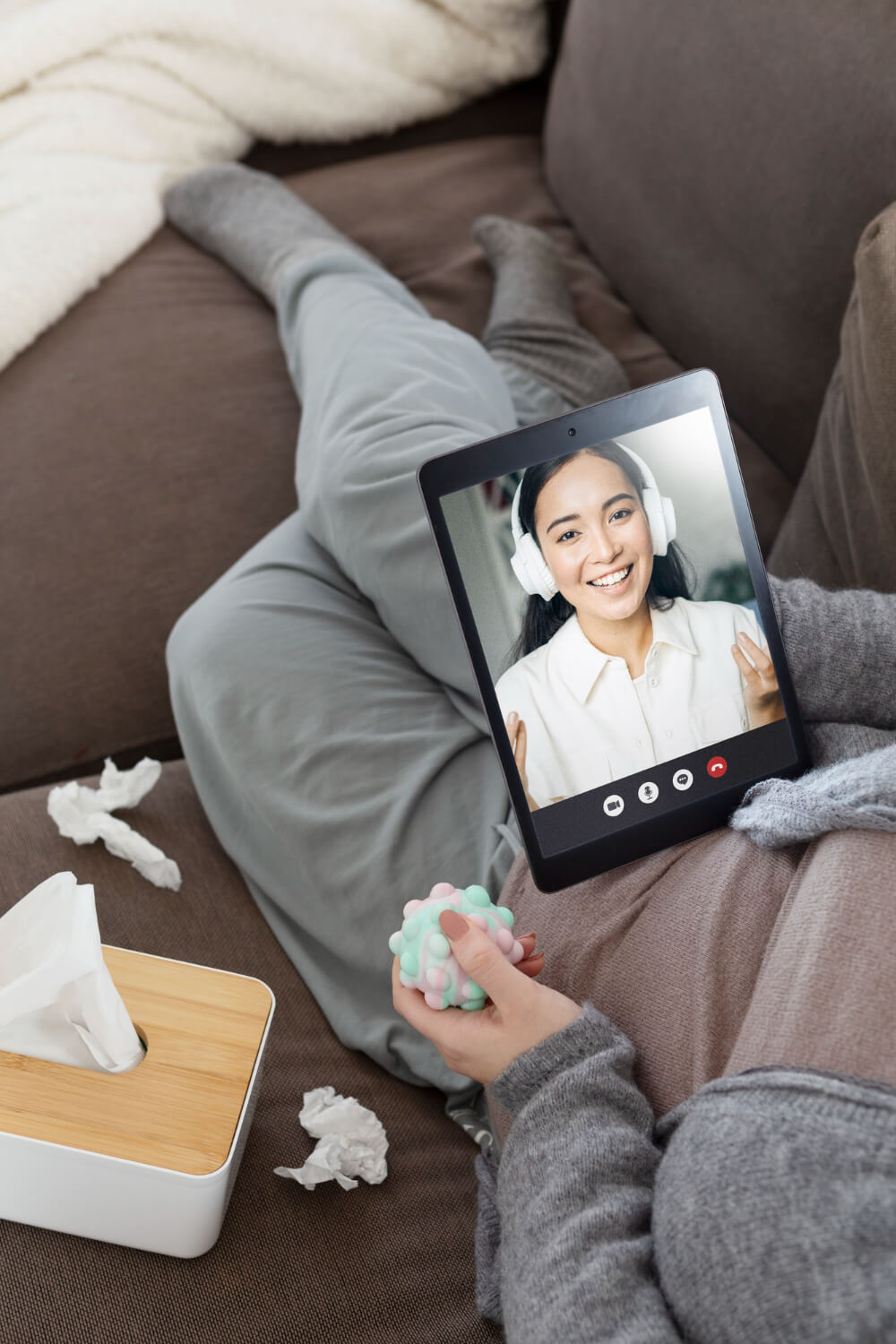
If you’re an OFW or a Filipino immigrant, online therapy with a Filipino therapist solves several problems at once.
The most obvious one is timezone flexibility. Philippine Standard Time is UTC+8, which lines up differently depending on where you are. If you’re in Australia (AEST, UTC+10), an afternoon slot in Manila is your evening. If you’re in the Middle East (UTC+3 to UTC+4), Philippine afternoon sessions line up with your morning. If you’re in the US or Canada, Philippine morning slots work for your evening or night.
Most Filipino therapists who take international patients offer flexible scheduling, including weekends and evenings, because they know their patients are working around demanding jobs and different time zones.
Payment is simpler than you might expect. Many online platforms accept international credit cards, PayPal, or bank transfers. You don’t need a Philippine bank account. Fees are listed in Philippine pesos, which works in your favor if you’re earning in dollars, pounds, or Australian dollars.
Privacy is another factor. If you’re an OFW in a shared housing situation (which is common in the Middle East, Hong Kong, or Singapore), online therapy from your phone with earphones gives you more privacy than trying to visit a local clinic where you might run into someone from your community. For many Filipinos abroad, the anonymity of an online session removes a barrier that would otherwise keep them from seeking help.
There’s also the continuity advantage. If you move countries for a new contract (common for OFWs), you don’t lose your therapist. The relationship continues. You don’t have to start over, find a new provider, and re-explain your entire history.
How much does it cost?
Let’s be direct about pricing, because cost is one of the main reasons people either avoid therapy or stop going.
In the US, a therapy session typically runs $150-300. In Australia, even with a Mental Health Care Plan through Medicare, you’re looking at $80-150+ out of pocket after the rebate. In the UK, private therapy starts around £50-90 per session. In Canada, it’s $150-250 CAD.
Filipino therapists charge a fraction of those rates. And these are PRC-licensed professionals with legitimate credentials, providing real clinical care through telehealth.
The exact cost depends on the provider. Psychiatrists tend to charge more than psychologists, and psychologists more than counselors. On platforms like NowServing, each therapist sets their own fee, and it’s visible on their profile before you book. No hidden charges, no surprise bills.
The cost difference has a compounding effect. Therapy works best when it’s consistent. Weekly or biweekly sessions over several months produce better outcomes than one or two sessions when you’re in crisis. When a session costs less than dinner for two in most countries abroad, sticking with therapy long-term becomes realistic. That consistency is where the real benefit comes from.
For free or very low-cost options, the National Center for Mental Health (NCMH) offers free online consultations on select days. Some university clinics also offer sessions with supervised graduate students at reduced rates. These can be good starting points if cost is a serious barrier.
What to expect in your first session
If you’ve never done therapy before, or if you’ve only done it with a Western therapist, sessions with a Filipino therapist will feel different in ways that might surprise you.
First: code-switching is normal and expected. You might start a sentence in English, switch to Tagalog for the emotional part, and finish in English again. A Filipino therapist won’t blink at this. In fact, many will match your language register, switching with you naturally. This isn’t unprofessional. It’s actually better for therapeutic outcomes because you’re processing in whatever language the feeling lives in.
Second: there’s a cultural shorthand. When you mention that your family is disappointed in you, your therapist already understands the weight of that in a Filipino context. They know it’s connected to pakikisama, to hiya, to the expectation that you’ll prioritize family harmony over personal preferences. You won’t need to explain the cultural operating system. They’re running the same one.
Third: the relational style tends to be warmer. Filipino therapists, as a general observation, tend to be more relationally engaged than the stereotypical “blank slate” therapist. This doesn’t mean they’re less professional. It means the interaction feels more human, which for many Filipinos makes the process less intimidating.
In a typical first session, expect the therapist to ask about what brought you to therapy, your background, your current situation, and what you’re hoping to get out of the process. They’ll assess your needs and suggest how often you should meet. If they’re a psychiatrist and think medication might help, they’ll discuss that openly.
You don’t need to have everything figured out before your first session. “I’ve been feeling off and I want to talk to someone” is a perfectly fine reason to book.
Breaking the stigma: it’s OK to seek help
Let’s talk about the thing that stops most Filipinos from booking that first session.
Mental health stigma in the Philippines is real and deeply rooted. “Hiya” keeps people quiet about their struggles because admitting you need help can feel like admitting weakness, or worse, bringing shame to your family. “Pakikisama” means you swallow your problems so you don’t burden others. “Kaya mo yan” (you can handle it) and “ipagdasal mo lang” (just pray about it) are things most Filipinos have heard from well-meaning family members.
The data reflects this. A 2021 study in the Philippines found that only 2% of adults who met criteria for a mental health condition had actually sought professional help. The treatment gap in the Philippines is one of the widest in Southeast Asia.
But things are shifting. Younger Filipinos are more open about mental health. Social media is normalizing the conversation. The Philippine Mental Health Act (RA 11036) was a landmark step in recognizing mental health as a right. And online therapy is quietly removing one of the biggest practical barriers: the fear of being seen walking into a clinic.
When your session happens on your phone or laptop, behind a closed door, nobody needs to know. No one in your community abroad will see you in a waiting room. No one in your family back home needs to know you’re “seeing someone.” The privacy of online therapy is, for many Filipinos, what makes seeking help possible in the first place.
Seeking therapy isn’t a failure. It’s what smart people do when they realize that carrying everything alone isn’t working. The strongest thing you can do is ask for help from someone equipped to give it.
View this post on Instagram
Frequently asked questions
How much does online therapy cost in the Philippines?
It depends on the type of professional. Psychiatrists generally charge more than psychologists, and psychologists more than counselors. Rates vary by practitioner. On platforms like NowServing, fees are listed on each therapist’s profile so you can compare before booking. For context, therapy in the Philippines costs significantly less than equivalent sessions in the US ($150-300), Australia ($200-300+), or the UK (£50-90).
Can I see a Filipino therapist if I live abroad?
Yes. As long as you have a stable internet connection, you can book an online session with a PRC-licensed Filipino therapist from anywhere in the world. Thousands of Filipinos in Australia, the US, Canada, the UK, and the Middle East already do this regularly. NowServing lists verified mental health professionals who offer telehealth consultations to patients abroad.
Is online therapy as effective as in-person?
Research consistently shows that online therapy is as effective as face-to-face therapy for most conditions, including anxiety and depression. A 2020 meta-analysis in the Journal of Affective Disorders found no significant difference in outcomes between online and in-person CBT. The key factor is therapeutic rapport, which develops through conversation regardless of whether you’re in the same room or on a video call.
How do I find a Tagalog-speaking therapist online?
The easiest way is to use a platform that lets you filter by language. On NowServing, therapist profiles include their spoken languages. You can also look specifically for Filipino psychologists who mention Tagalog, Cebuano, or Taglish in their profiles. For more tips, read our guide on how to find a Tagalog-speaking psychologist.
Does PhilHealth cover online therapy?
PhilHealth provides limited coverage for mental health services. General mental health coverage is capped at a certain amount per year, with additional coverage for specialized conditions. However, coverage for outpatient telehealth mental health sessions is still limited and varies by provider. Most Filipinos abroad who book online therapy pay out of pocket, which is still more affordable than local options in their host country.
What’s the difference between a psychologist and a psychiatrist in the Philippines?
A psychiatrist is a medical doctor who can prescribe medication and provide therapy. A registered psychologist (RPsy) has a master’s in clinical psychology, can diagnose and provide therapy, but cannot prescribe medication. If you think you might need medication (for example, for moderate to severe depression or anxiety), start with a psychiatrist. If you’re looking for talk therapy and psychological assessment, a psychologist is a great fit.
Are online therapy platforms confidential?
Yes. Licensed therapists in the Philippines are bound by professional ethics codes that include strict confidentiality. Online platforms use secure, encrypted video connections. Your therapist cannot share what you discuss in session without your written consent, except in specific cases where there’s an immediate risk of harm (which is the same rule that applies to in-person therapy anywhere in the world).
How do I know if I need therapy?
There’s no minimum threshold of suffering required. If you’re feeling persistently anxious, sad, overwhelmed, disconnected, or stuck, those are all valid reasons to talk to someone. You don’t need a diagnosis to benefit from therapy. Many people start simply because they want to process a life transition, manage stress better, or understand their own patterns. If you’re asking the question, that’s usually a sign it’s worth trying.
Can I use my HMO for online mental health consultations?
Some Philippine HMOs cover teleconsultations for mental health, but coverage varies widely by plan and provider. If you’re still on a Philippine HMO plan (some OFWs maintain coverage), check whether your specific plan includes psychiatric or psychological consultations via telehealth. For Filipinos abroad, local health insurance typically won’t cover a therapist based in the Philippines, which is why the affordability of Filipino therapists matters.
What if I’m in crisis right now?
If you’re in immediate danger or experiencing a mental health emergency, contact your local emergency services first. In the Philippines, you can call the NCMH Crisis Hotline at 0966-351-4518 or 1553 (toll-free for Globe and TM subscribers). The Hopeline Philippines is reachable at (02) 8804-4673 or 0917-558-4673. If you’re abroad, most countries have 24/7 crisis hotlines. Once you’re stable, booking ongoing therapy can help you build the support system you need.
You don’t have to keep explaining your life to someone who doesn’t get it
Moving abroad is hard in ways that people don’t see from the outside. You look successful, you’re earning more than you would back home, and everyone tells you how lucky you are. But the loneliness, the guilt, the identity questions, those don’t go away because the paycheck is bigger.
Filipino therapists who practice online in the Philippines understand this. They understand hiya, pakikisama, utang na loob. They understand why your mom’s phone call can ruin your entire week or make it better. They understand why “just set boundaries” isn’t helpful advice when your entire sense of self is built around your relationships.
Online therapy in the Philippines has made it possible to access culturally informed care from anywhere in the world, at a cost that lets you actually stick with it.
If you’ve been thinking about it, browse verified Filipino mental health professionals on NowServing and find someone who speaks your language, in every sense of the word.
Read more: How to book a mental health consultation online in the Philippines