Transvaginal ultrasound is an inside ultrasound, and a common form of procedure that OBGYNs recommend to check for abnormalities affecting the pelvic organs. With its high frequency sound waves, the transducer can create visuals of what the inside looks like. Thus, helping to have a more accurate diagnosis.
This procedure may sound intimidating for first timers, especially due to its process. Don’t worry, as this blog offers a guide on how to prepare for transvaginal ultrasound. Discover the common ways for a transvaginal ultrasound preparation. Let’s begin!
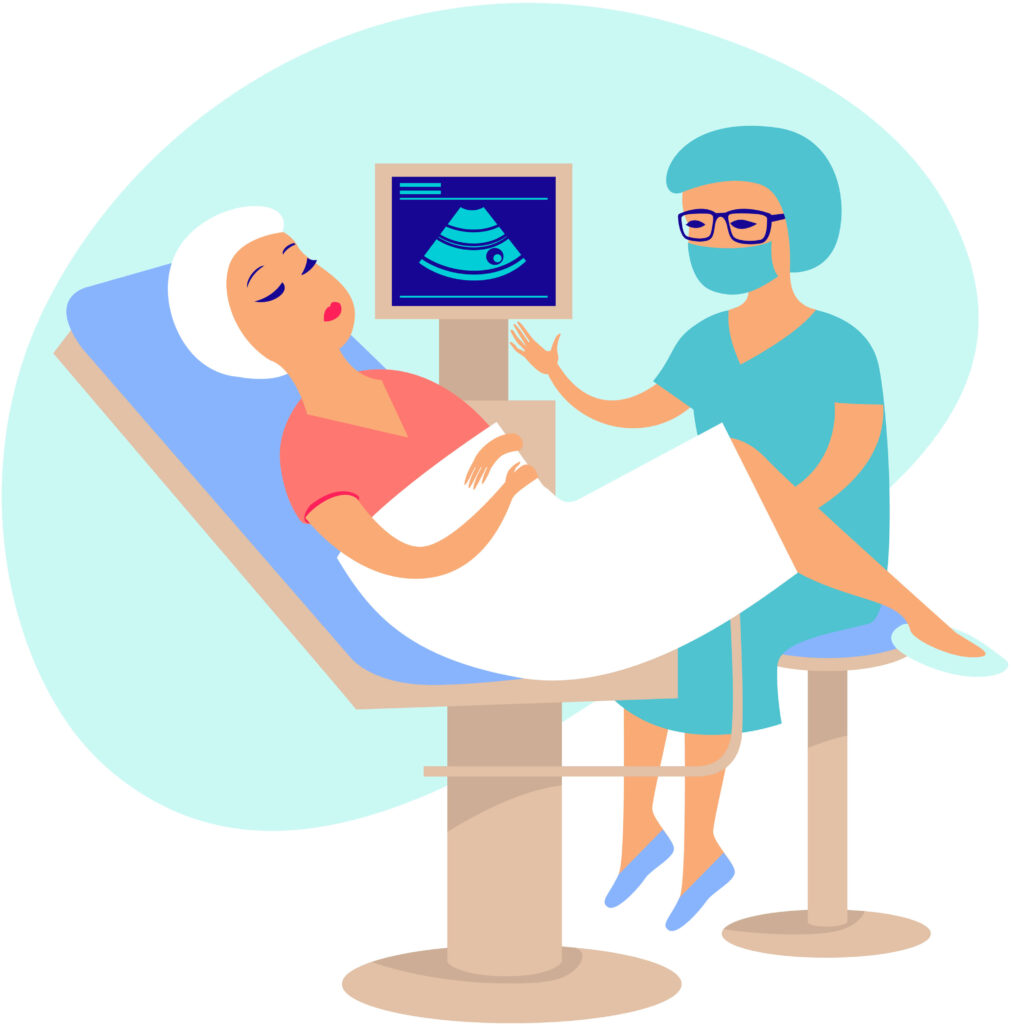
Why Transvaginal Ultrasound Preparation is a Must?
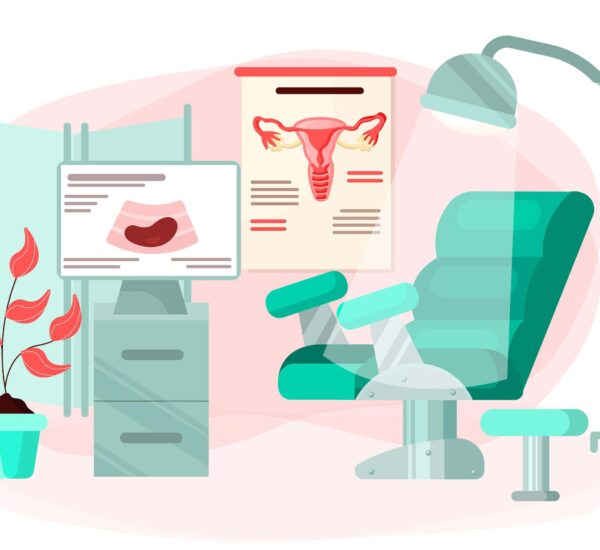
A transvaginal ultrasound is a safe, painless imaging procedure for reproductive health screening. With the insertion of the transducer in the vagina, it allows doctors to get detailed pictures of your female reproductive system. Despite its safe gynecological procedures, preparation is still key.
Since it can be invasive, it’s important to consider your comfort during the procedure. That’s why your doctor commonly explains the process beforehand. At the same time, provide you with some dos and don’ts that you must follow.
Essential Transvaginal Ultrasound Preparation Steps or Ultrasound Examination Tips
Before Your Appointment
Clothing Choices – Choose comfortable, loose-fitting clothing for your appointment day. You’ll need to remove your lower garments and may be provided with a hospital gown that opens in the front. Wearing a dress or skirt can make the process more convenient, as you’ll only need to remove your underwear.
Personal Hygiene – Take a normal shower or bath as you usually would. There’s no need for special cleansing products or douching. At the same time, if you’ll need additional procedures like pap smear, it’s best to avoid douching for at least 24 hours before your exam as it can interfere with test accuracy.
Bladder Preparation – For most transvaginal ultrasounds, you’ll actually want to empty your bladder before the procedure. A full bladder can sometimes make it harder for the doctor to get clear images of certain organs, and you’ll be more comfortable during the exam with an empty bladder.
However, some specific situations may require a partially full bladder, so always follow the exact instructions your healthcare provider gives you.
What to Bring and Avoid: Transvaginal Ultrasound Checklist
Items to Bring:
- Your identification and insurance cards (for filing LOA for HMO-use for this procedure)
- List of current medications
- Any previous ultrasound results or medical records
- A support person if desired (many clinics allow this)
Things to Avoid:
- Vaginal medications, creams, or suppositories for 24 hours before the exam (unless prescribed by your doctor)
- Sexual intercourse on the day of the exam
- Douching or using vaginal deodorants
- Tampons (use pads instead if you’re menstruating)
Other Requirements and Preparations Needed for Transvaginal Ultrasound
Age Requirements for Transvaginal Ultrasound
Transvaginal ultrasounds are typically recommended for women who are sexually active or over 18 years old. For younger patients or those who haven’t been sexually active, doctors usually prefer abdominal ultrasound or transrectal ultrasound.
However, medical necessity always takes priority. If a transvaginal ultrasound is the best way to diagnose a condition, your doctor will discuss the options with you and ensure you’re comfortable with the procedure.
Cultural Considerations for Filipino Women
We understand that discussing reproductive health can sometimes feel uncomfortable due to cultural or religious considerations. Many Filipino families prefer to have these conversations privately, and that’s completely okay.
If you have concerns about modesty or cultural practices, don’t hesitate to discuss them with your healthcare provider. Most clinics are very accommodating and can:
- Provide additional privacy measures
- Allow a female family member to be present
- Work with your religious or cultural requirements
- Ensure a female technician performs the procedure when possible
What Happens During Your Transvaginal Ultrasound
Despite the invasive nature of this procedure, you don’t have to worry as it is just a simple procedure. The overall process will take around 15 – 30 minutes. Afterwards, you can resume your daily activities as no side effects happen after having a transvaginal ultrasound scan.
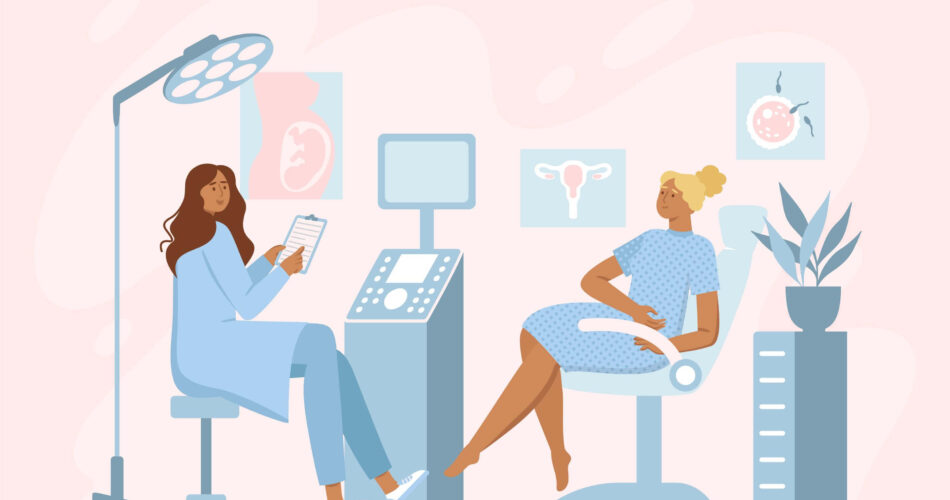
Here’s a simple breakdown of what will happen during your transvaginal ultrasound session:
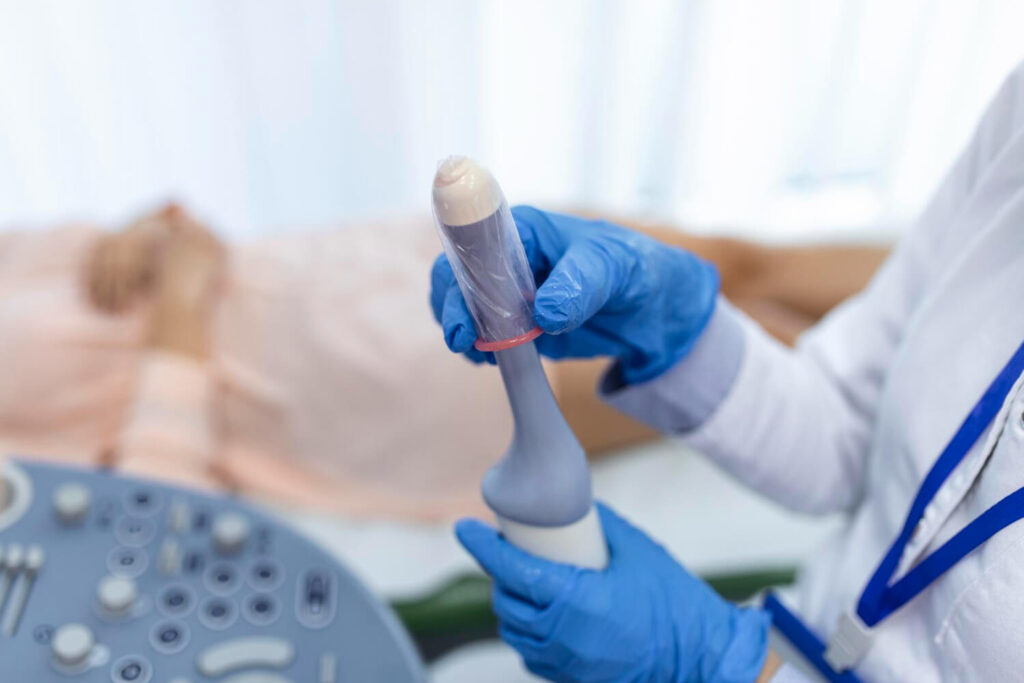
| Transvaginal Ultrasound Process | What Occurs |
| Setup Process | – You’ll need to change into a hospital gown and lie down on an examination table – Your feet will be placed on the stirrups and will be positioned comfortably with a sheet covering your legs and lower body for privacy |
| Examination Process | – A warm lubricating gel will be applied on the protective cover of the ultrasound transducer, and will be inserted to begin the TVS scan – The healthcare expert will move the transducer to create images of the pelvic organs |
| After the Procedure | – The transducer will be removed, and you’ll be instructed to get dressed – You’ll likely notice a slight vaginal discharge from the lubricating gel |
Take note, while risks from a tvs scan are rare, if you’ve experienced slight discomfort or abnormal bleeding, it’s best to contact your doctor again.
Learn more about the full process of getting transvaginal ultrasound in the Philippines here.
Frequently Asked Questions
Why do you need a transvaginal ultrasound scan?
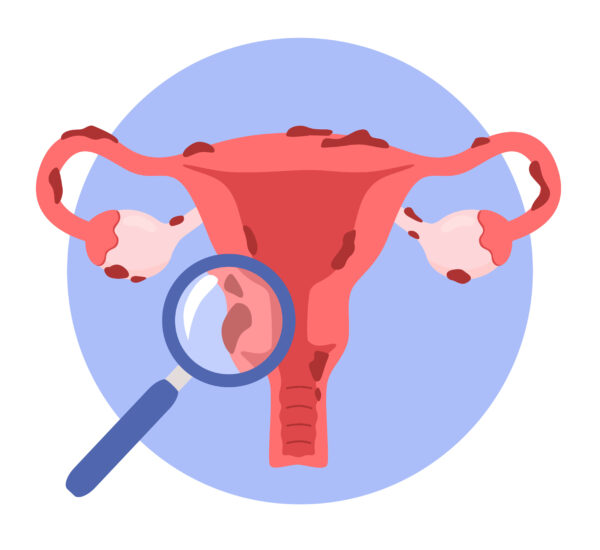
Doctors commonly recommend this procedure to examine your uterus, cervix, fallopian tubes, ovaries, and other structures in your pelvic area. It’s particularly useful for:
- Monitoring early pregnancy development
- Investigating irregular menstrual cycles or pelvic pain
- Checking for ovarian cysts or fibroids
- Evaluating fertility concerns
- Following up on abnormal Pap smear results
- Checking for pelvic inflammatory disease
The procedure provides much clearer images than an abdominal ultrasound because the transducer is closer to the organs being examined. This proximity allows healthcare providers to see inside of your body with greater detail and accuracy.
Can my husband or partner come with me?
Many healthcare facilities allow a chaperone or support person to accompany you, though policies vary. Some clinics may ask your partner to step out during the actual procedure for privacy reasons, but they can usually be with you before and after. It’s best to check with your clinic’s policy when scheduling your appointment.
Is it okay to drink and eat before my scheduled transvaginal ultrasound?
You can eat or drink ahead of time, as long as you empty your bladder before your scheduled session. Doctors recommend an empty bladder to avoid discomfort, and to have a clearer pelvic ultrasound.
How to prepare for a transvaginal ultrasound as a pregnant woman?
There’s nothing different when it comes to transvaginal ultrasound preparation for a pregnant woman and those that don’t bear their child. However, during your trimester checkups, your OBGYN will recommend other conditions to better take care of your baby. It’s best to ask your doctor about them, and follow them thoroughly.
Conclusion
Preparing for a transvaginal ultrasound doesn’t have to be stressful when you know what to expect. Remember that this is a routine, safe procedure that provides valuable information about your reproductive health. The key to a comfortable experience lies in proper preparation, open communication with your healthcare team, and understanding that it’s normal to have questions or concerns.
Ready to schedule your transvaginal ultrasound or need more information about women’s health services? Visit NowServing.ph to book a TVS scan session today!