
The Philippines records over 1 million animal bite consultations every year, and rabies remains a fatal viral disease with no cure once symptoms appear. While dogs account for most cases, rabies in cats are also common. If your cat spends any time outdoors or near feral cats and wild animals, knowing the stages of rabies infection could save both your pet’s life and yours.
How Do Cats Get Rabies?

Rabies spreads through the saliva of an infected animal, usually through a bite that breaks the skin and creates an open wound. Your cat is most at risk when it comes into contact with rabid animals like stray dogs, feral cats, bats, or other wild animals.
After exposure, the rabies virus enters through the site of the bite, and affects the central nervous system. It travels along the nerves toward the spinal cord, and eventually reaches the cat’s brain. The speed of this process depends on two things: the severity of the bite and how close the wound is to the brain.
A bite on the face or neck, for example, means the virus has a shorter path to travel than a bite on the hind leg. This is why the location of the wound matters when assessing potential exposure.
The Incubation Period: The Silent Window of Feline Rabies
After a bite from an infected animal, the rabies virus doesn’t cause immediate symptoms. This quiet phase is called the incubation period, and in cats, it typically lasts 2 to 6 weeks. In some cases, it can stretch to several months depending on the severity of the bite and how far the virus needs to travel to reach the cat’s brain.
During this time, your cat may behave completely normally. There are no visible signs of rabies infection, which makes this period especially dangerous. If you know or suspect your cat was bitten by a rabid animal or any unvaccinated animals, don’t wait for symptoms. Take your cat to a vet to conduct a diagnosis of rabies immediately.
The 3 Stages of Rabies in Cats
Once the rabies virus reaches the brain, the disease progresses through three distinct stages. Not every cat shows all three, and some may skip directly to later stages. Here’s what each looks like.
Stage 1: Prodromal Stage (Days 1 to 3)
The prodromal stage is the earliest phase, lasting 1 to 3 days. This is when you’ll first notice something is off about your cat’s behavior.
Watch for these early symptoms of rabies in cats:
- Unusual behavior or personality changes (a friendly cat becomes withdrawn, or a shy cat becomes unusually affectionate)
- Loss of appetite
- Fever
- Excessive licking or biting at the site of the bite wound
- Restlessness or anxiety
These initial symptoms are easy to overlook because they mimic other common illnesses. A cat that suddenly stops eating or seems anxious could have dozens of explanations. But if your cat had any recent contact with a potentially rabid animal, treat these changes seriously.
Stage 2: Furious Stage (Days 3 to 7)
This is the most recognizable and dangerous phase. The furious stage is what most people picture when they think of a rabid cat, and it lasts roughly 1 to 7 days.
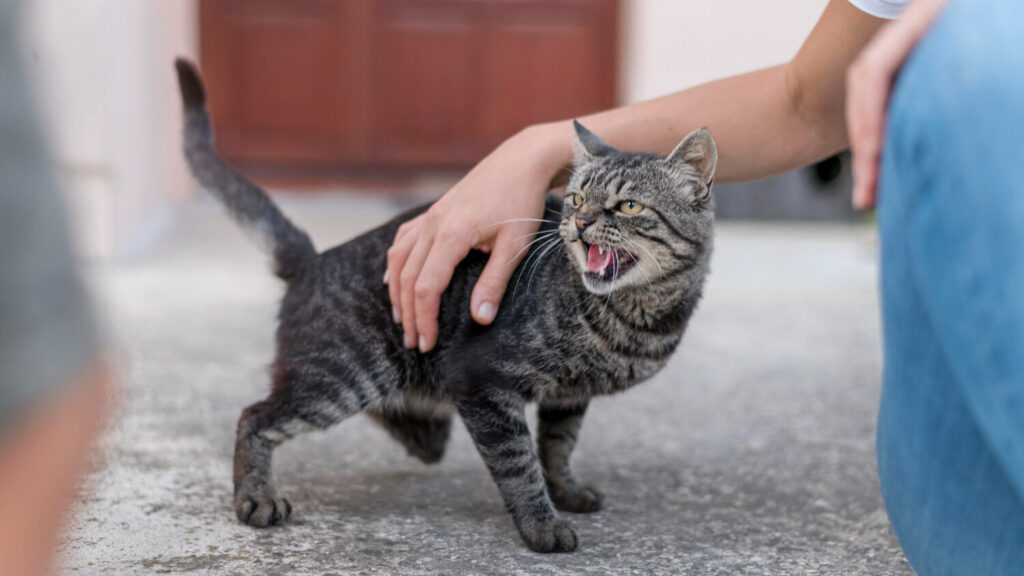
You’ll notice dramatic changes known as rabid cat signs:
- Aggression and unprovoked attacks on people, other animals, or objects
- Extreme irritability
- Lack of fear toward humans or situations that would normally frighten the cat
- Excessive drooling and foaming at the mouth
- Disorientation and confusion
- Experience seizures
- Unusual vocalizations (growling, hissing, or yowling without provocation)
During the furious stage, a rabid cat may bite anything in its path. This is the phase when the contagious virus is most likely to spread to humans or other pets. If you have an exposed cat, and are in this stage, do not attempt to handle it. Keep your distance and contact animal control or your vet.
Stage 3: Paralytic Stage (Days 7 to 10)
The paralytic stage, sometimes called the “dumb” stage, is the final stage of rabies. It can follow the furious stage or, in some cats, appear without a noticeable furious phase.
At this point, the virus has done serious damage:
- Progressive paralysis starting at the site of the bite and spreading
- Inability to swallow (leading to drooling and a “dropped jaw” appearance)
- Weakness in the hind legs
- Complete loss of coordination
- Respiratory failure
This stage progresses rapidly. Once paralysis sets in, the disease is almost always fatal within 1 to 3 days. There is no cure for rabies once clinical symptoms appear in cats.
What to Do If Your Cat Is Bitten by a Rabid Animal
If you witness or suspect your cat was bitten by an infected animal, follow these steps:
- Do not touch the wound with bare hands. Wear gloves if you need to examine your cat. The rabies virus in saliva can enter your body through any cuts or scratches on your skin.
- Isolate your cat from other pets and family members.
- Contact your vet immediately. If your cat is currently on rabies vaccination, your vet will likely administer a booster shot and monitor the cat. If your cat is unvaccinated, the situation is more serious and may require quarantine.
- Report the incident to your local animal control or barangay health unit.
If you were bitten or scratched, wash the wound thoroughly with soap and running water for at least 15 minutes. Then seek medical advice from a doctor right away. You can also consult an infectious disease specialist for guidance on post-exposure treatment.
Post-exposure rabies shots for humans are available at animal bite treatment centers throughout the Philippines. Visit your doctor for your rabies vaccination.
Find the nearest animal bite treatment centers or healthcare facilities for animal bite here.
When to Take Your Cat to a Vet
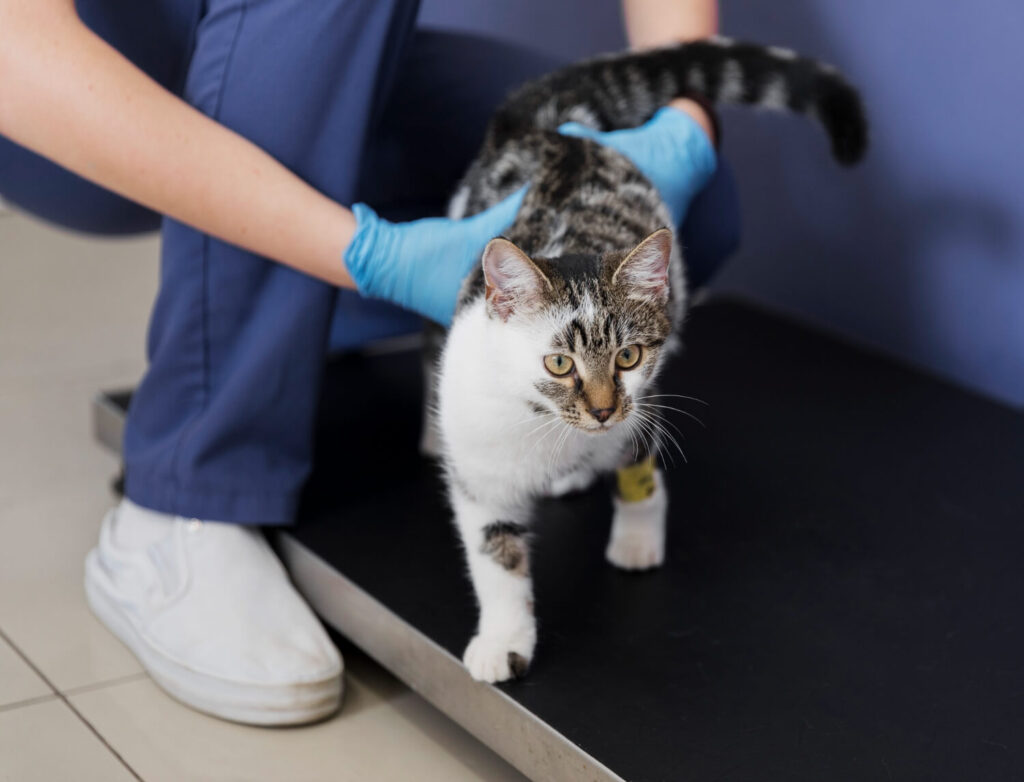
Don’t wait for symptoms. Here’s when you should bring your cat in:
- After any bite from an unknown or unvaccinated animal, even if the wound looks minor
- After contact with wild animals, including bats
- If your cat shows any unusual behavior after a potential exposure, like sudden aggression, loss of appetite, or excessive drooling
- If your cat is overdue on rabies vaccines and had any outdoor exposure
Every day counts. The earlier you get your cat to a vet after rabies exposure, the better the chances of preventing the virus from progressing. Once symptoms appear, there’s no treatment that can save an infected cat. You can find a veterinary doctor near you through NowServing.
Rabies Vaccination: Your Cat’s Best Protection
Rabies vaccination is the single most effective way to protect your cat. In the Philippines, local government units often offer free or low-cost rabies vaccines for pets during mass vaccination campaigns.
The standard vaccination schedule for cats:
- First dose: At 3 months of age
- Booster: One year after the first dose
- Subsequent boosters: Every 1 to 3 years, depending on the vaccine type
In private veterinary clinics, anti-rabies vaccines for cats typically cost between PHP 200 to PHP 500 per dose. You can also find free vaccines for your cat during government-sponsored mass vaccination drives.
NOTE: Even if you have an indoor cat, vaccination is still recommended. The small risk of accidental exposure is not worth gambling against a disease with a nearly 100% fatality rate. If you need help finding a vet, you can browse veterinary doctors for small animals or search for veterinary surgery specialists on NowServing.
Learn more about rabies vaccines for pets in this blog.
Frequently Asked Questions (FAQs) About Rabies in Cats
Can a cat with rabies survive?
Unfortunately, no. Once a cat shows clinical symptoms of rabies, the disease is almost always fatal. There is no approved treatment for rabies in cats after symptoms appear. Prevention through rabies vaccination is the only reliable way to protect your pet.
How long can a cat have rabies before showing symptoms?
Typically 2 to 6 weeks, though it can range from a few days to several months. The timeline depends on the severity of the bite and the distance between the site of the bite and the brain.
Can you get rabies from a cat scratch?
It’s possible but uncommon. Rabies spreads primarily through bites, where the saliva of an infected animal enters an open wound. A scratch could transmit the virus if the cat’s claws were recently contaminated with infected saliva. If you’re scratched by a cat you suspect may be rabid, wash the wound immediately and seek medical advice.
Do indoor cats need rabies vaccines?
Yes. While the risk is lower for an indoor cat, bats and other small animals can enter homes. Philippine law also requires rabies vaccination for all pet cats and dogs under Republic Act 9482, the Anti-Rabies Act of 2007. Vaccination is your cat’s best protection regardless of lifestyle.
How common are cases of rabies in cats in the Philippines?
The Philippines still has a serious rabies problem. While most reported cases of rabies involve dog bites, cats are the second most common source of animal bites that lead to rabies exposure in humans. The Department of Health records around 200 to 300 human rabies deaths per year, many of which could be prevented through proper animal vaccination.
Conclusion
Rabies has no known cure, but death can be preventable, but only if you act before your cat gets exposed. Keep your cat’s rabies vaccination up to date, limit unsupervised outdoor time, and know what to do if a bite happens. If your cat was recently bitten or is showing any of the symptoms listed above, don’t wait. Bring your cat to a vet as soon as possible.
Need to find a veterinary doctor? You can search for a vet near you or browse veterinary specialists across the Philippines on NowServing.