A small smear of blood appears on your underwear, and your stomach drops. Is this dangerous, or is it just a normal part of early pregnancy?
Around 20 percent of pregnant women experience some type of bleeding in the first trimester, and most of it is not a sign of a problem. Still, the amount of bleeding, the color, and any pain that comes with it can mean very different things. This guide explains what pregnancy spotting usually means, which warning signs require urgent care, and how to find doctors who handle pregnancy care without waiting in line at a clinic.
How Pregnancy Spotting Differs From Menstrual Bleeding
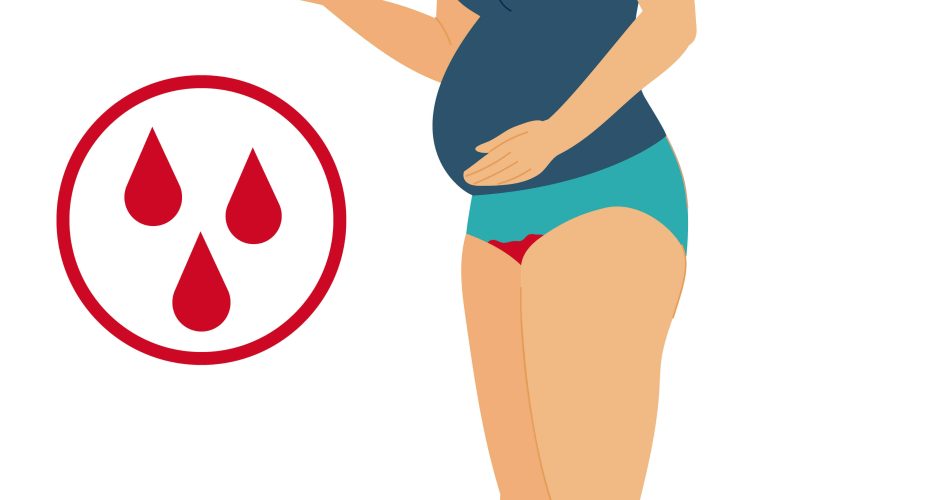
Pregnancy spotting is light bleeding that shows up as a few drops or a faint streak, often noticed only on toilet paper or underwear. The blood flow is much smaller than period bleeding, the color is usually pink or light brown, and it stops within 1 to 3 days.
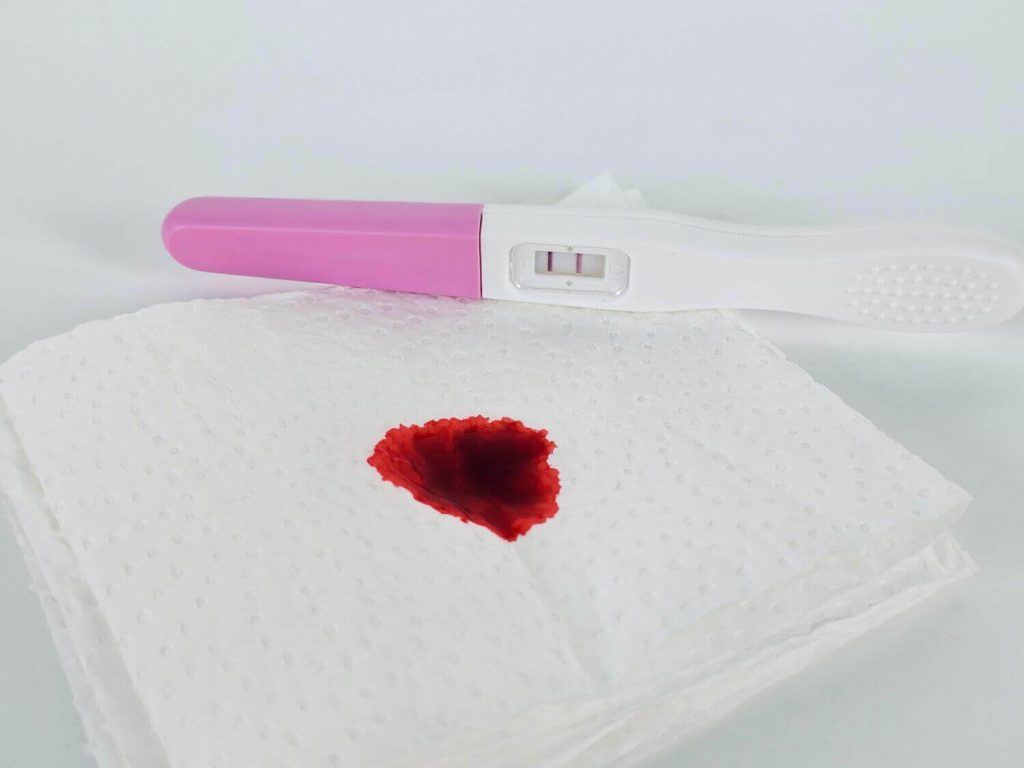
Menstrual bleeding, by contrast, soaks pads, lasts 4 to 7 days, and includes brighter red blood with possible blood clots. If your bleeding fills more than one pad per hour, includes large blood clots, or comes with severe pain, that is no longer light spotting. That counts as heavy bleeding and needs immediate medical attention.
Patients with persistently heavy or irregular bleeding outside pregnancy can also find doctors for abnormal uterine bleeding on NowServing for evaluation.
Implantation Bleeding: An Early Sign of Pregnancy
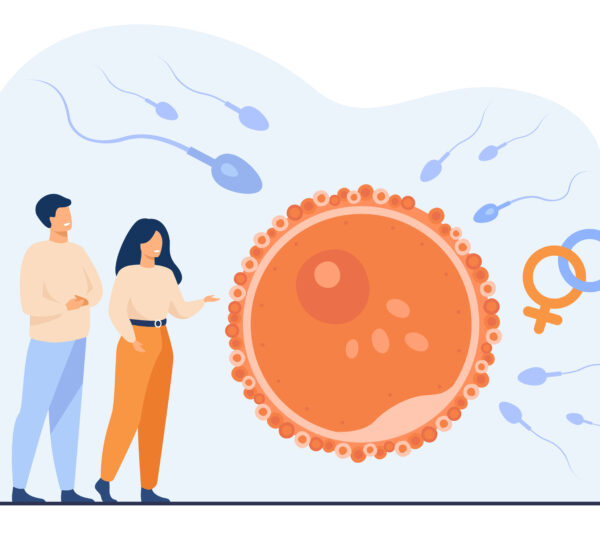
One of the most common causes of pregnancy spotting is implantation bleeding. This happens when the fertilized egg implants into the uterine lining, roughly 6 to 12 days after conception. As the fertilized egg burrows into the uterine wall, it can disrupt small blood vessels and cause light spotting.
Implantation bleeding is typically pink or brown in color, very light in the amount of blood, and lasts 1 to 3 days. Many women mistake it for an early period because the timing falls close to the first day of an expected period. It is often the first recognizable sign of pregnancy.
If you notice light spotting around the time your period would normally arrive, alongside other pregnancy symptoms like nausea or breast tenderness, a home pregnancy test can confirm it.
Read about the early signs of pregnancy to know what else to watch for in the first weeks.
Other Common Causes of Light Spotting in Early Pregnancy
Not all light spotting in the first trimester comes from implantation. Several other factors can trigger light vaginal bleeding without indicating a serious problem:
- Hormonal changes: Shifting progesterone and estrogen levels can make the cervix more sensitive and its blood vessels more fragile during early pregnancy.
- Cervical irritation: Intercourse, a pelvic exam, or a Pap smear can briefly irritate the cervix and cause light spotting due to the increased blood flow to the area.
- Subchorionic hemorrhage: A small collection of blood can form between the placenta and the uterine wall. This is relatively common in healthy pregnancies and often resolves without treatment.
Mild cramps alongside light spotting, with no heavy bleeding or severe pain, are also common in the first trimester. They are usually caused by the uterus stretching to accommodate the growing pregnancy and are not always a sign of a problem.
Serious Causes of Vaginal Bleeding During Pregnancy
While most light spotting is harmless, some types of vaginal bleeding point to serious problems that need urgent care. Heavy bleeding, bright red bleeding, or bleeding paired with severe pain should never be ignored.
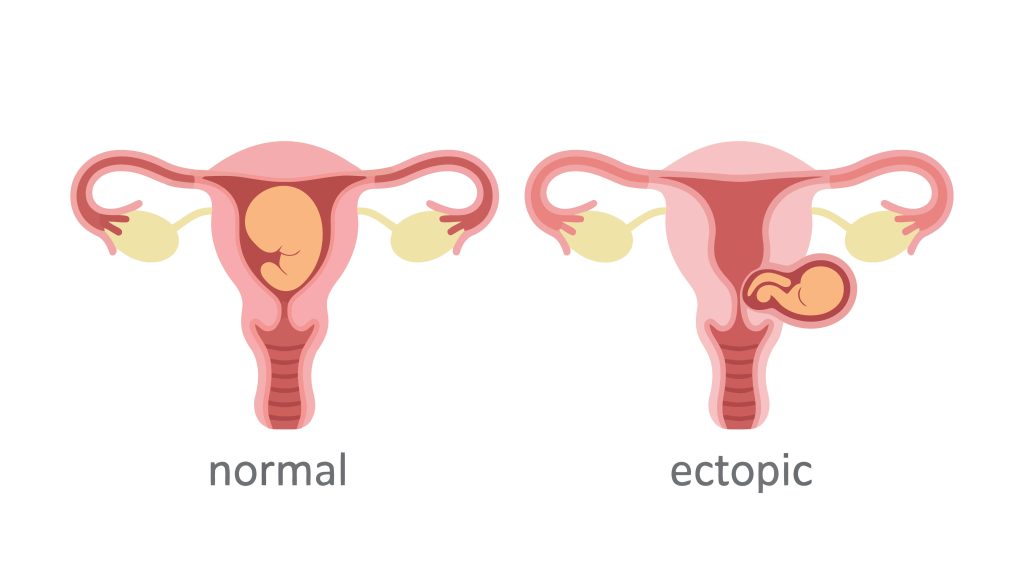
Ectopic Pregnancy
According to the World Health Organization, early detection of complications like ectopic pregnancy is one of the strongest predictors of maternal survival. Ectopic pregnancies cannot continue as healthy pregnancies and require emergency treatment.
This type of pregnancy occurs when the fertilized egg implants outside the uterus, most often inside a fallopian tube. As the embryo grows, it can rupture the tube, causing internal bleeding that becomes life-threatening within hours. Warning signs include sharp one-sided pelvic pain, shoulder pain, dizziness, and vaginal bleeding between 6 and 10 weeks of pregnancy.
Pregnancy Loss
Not every bleed in early pregnancy means loss. Around 10 to 20 percent of known pregnancies end in pregnancy loss, with most occurring before 13 weeks. Heavy bleeding with blood clots, severe cramping stronger than period bleeding, and a sudden loss of pregnancy symptoms can signal a miscarriage.
Many women who report light bleeding in the first trimester go on to have healthy pregnancies. A pelvic exam, blood test, or ultrasound is usually needed to confirm the cause.
Placental Abruption
Placental abruption is a second trimester or later complication where the placenta separates from the uterine wall before delivery. It causes sudden bright red bleeding, severe pain in the abdomen, and a hard, tender belly.
This is a medical emergency as any heavy bleeding after 20 weeks of pregnancy needs immediate hospital evaluation. Risk factors include high blood pressure, smoking, abdominal trauma, and a history of abruption.
When to Visit a Doctor for Pregnancy Spotting
Any vaginal bleeding during pregnancy deserves a conversation with an OB-GYN, even if it stops on its own. Some bleeds are easy to clear up over a video call, while others need a same-day exam from a trusted OB-GYN specialist.

Visit a doctor right away if you notice any of the following:
- Heavy bleeding: Soaking more than one pad per hour, with or without blood clots
- Bright red bleeding: Especially after the first trimester or when paired with pain
- Severe pain: One-sided pelvic pain, abdominal pain, or shoulder pain
- Dizziness or fainting: Possible sign of internal bleeding from an ectopic pregnancy
- Loss of pregnancy symptoms: Sudden disappearance of nausea, breast tenderness, or fatigue
- Fever or unusual vaginal discharge: May point to infection
- Bleeding after 20 weeks: Always treated as urgent, regardless of amount
For lighter spotting without pain, a same-day OB-GYN online consultation often resolves the question fast. A doctor can review your symptoms, order labs if needed, and decide whether a transvaginal ultrasound is the right next step. You can also browse OB-GYN doctors in Manila on NowServing if you prefer an in-person visit. You can book a transvaginal ultrasound on NowExpress.
How Doctors Investigate Pregnancy Spotting
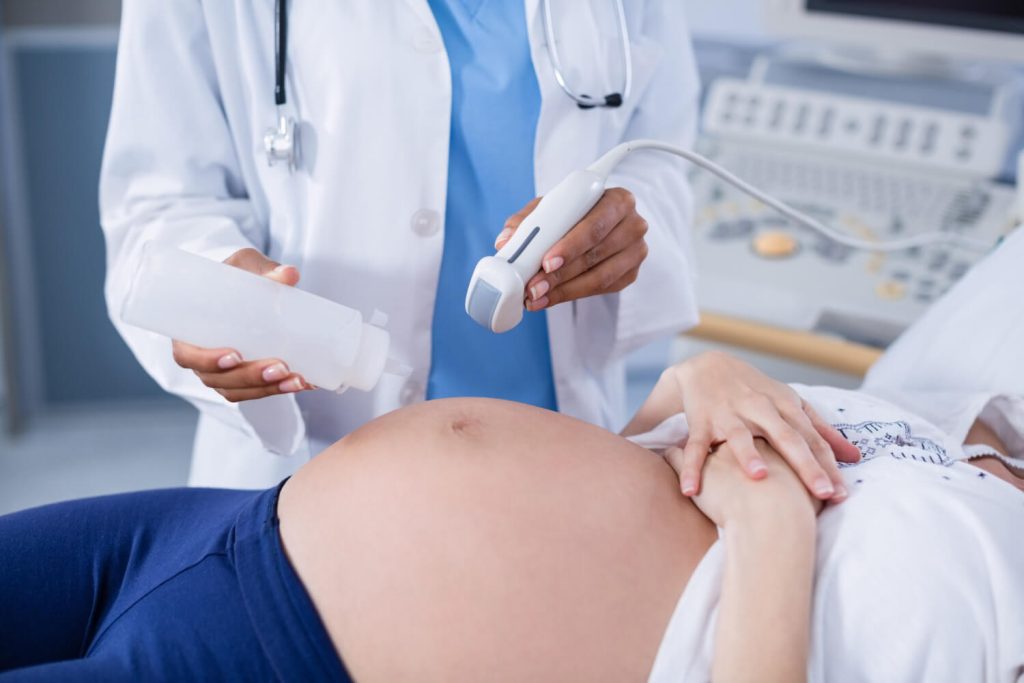
When you see an OB-GYN for spotting, the visit usually starts with questions about your last period, the amount of blood, the color, and any pain. A pelvic exam may follow to check the cervix and rule out infection or trauma. This ultrasound confirms whether the fertilized egg implants safely inside the uterus.
Other procedures that the doctor can refer to are the Beta-hCG blood tests which track pregnancy hormone and transvaginal ultrasound for early pregnancy bleeding, suspected ectopic pregnancy, and unexplained pelvic pain.
NOTE: A prenatal consultation sets up regular checkups that catch problems early. The Philippine Obstetrical and Gynecological Society recommends starting prenatal visits as soon as pregnancy is confirmed.
You can find doctors who treat endometriosis or doctors who manage polycystic ovary syndrome on NowServing
How to Book A Doctor for Pregnancy Spotting
- Open the NS app on your device and find an OBGYN or you can visit this page
- Browse the doctor directory and choose your doctor
- Click the “Book Appointment” button to begin the booking process
- Wait for the doctor to accept your appointment
You can also find doctors near you by checking which specialists are available in your area. NowServing offers a search filter where you can select your city.
Frequently Asked Questions (FAQs) About Pregnancy Spotting
Conclusion
Pregnancy spotting is unsettling, but most cases are harmless and clear up within a few days. Knowing the warning signs and getting evaluated within 24 hours when they appear is what protects both you and your baby.
If you are bleeding and unsure what to do, do not wait. Find a trusted OB-GYN through online consultation on NowServing and get answers within minutes. For Filipino mothers, you can also learn which doctor to see for prenatal care and what to expect at each checkup.