An accurate diagnosis from your doctor is a must to properly manage your illness. That’s highly crucial just like when dealing with gynecological conditions. Such health problems commonly affect the internal organs in the pelvic area, and the best way to assess those organs is through a transvaginal ultrasound. If you have conditions requiring transvaginal ultrasound, this guide is for you. Explore how this important diagnostic tool works and why your doctor recommends it for various women’s health conditions. Let’s begin!
How Does Transvaginal Ultrasound Work?
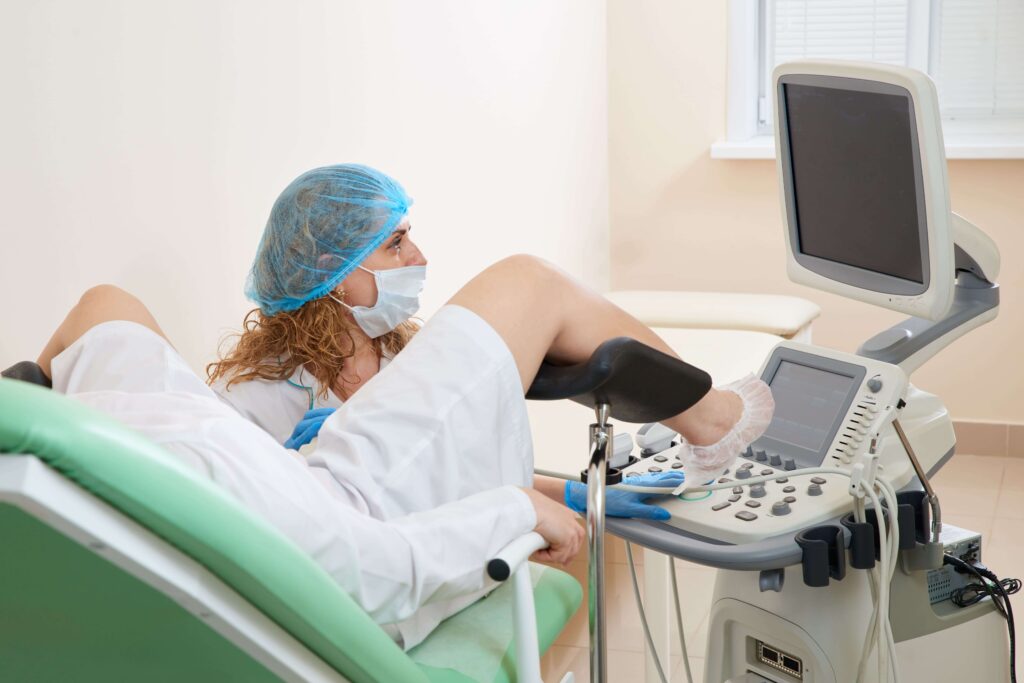
As mentioned, women conditions requiring transvaginal ultrasound are those that affect the women’s reproductive system. There’s no better way to check the root problem through tvs scan. This type of ultrasound works by using an ultrasound probe or transducer. Health experts that operate the ultrasound machine use a warm lubricating gel on the probe and inserts inside of your body via the vaginal canal.
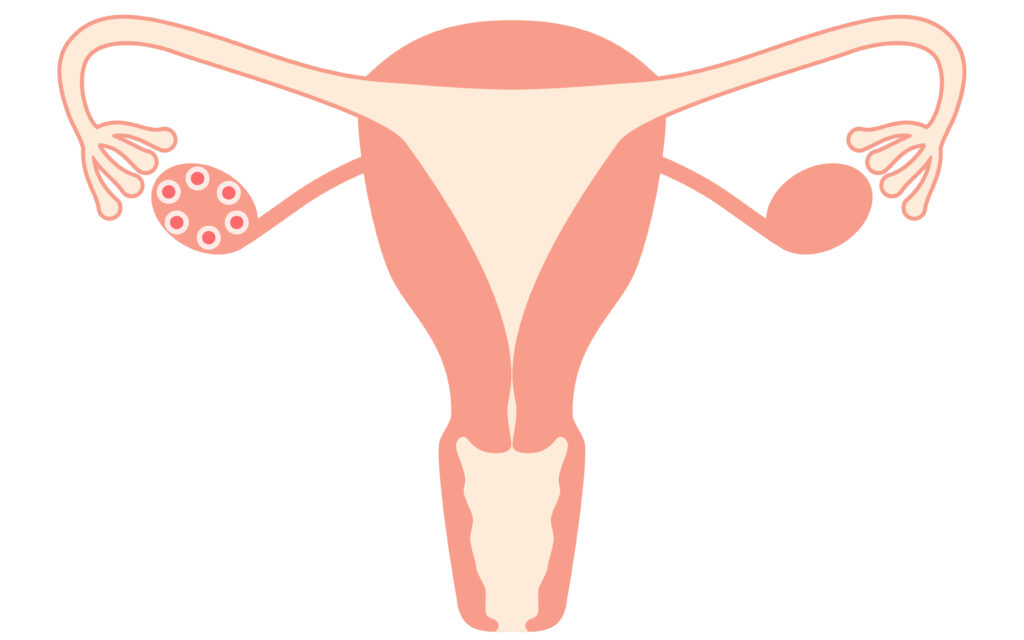
During this time, the handheld device probe releases sound waves that bounce to the internal structures or the female reproductive organs to create detailed images of what’s inside the pelvic region. Thus, showing the uterus, ovaries, fallopian tubes, and other pelvic organs.
The diagnostic test can be slightly uncomfortable as it will last around 15 – 30 minutes. If you feel a slight discomfort, feel free to communicate immediately.
Read this related article to understand how you can prepare for a transvaginal ultrasound scan.

Common Women’s Health Conditions Requiring Transvaginal Ultrasound
Ovarian Cysts and PCOS
While PCOS can be a disease that involves hormone problems, it doesn’t mean that you should not worry about possible cysts in the ovaries. Hormone problems are just a small portion that affects your health. That’s why it is necessary for you to undergo an ultrasound to identify the possible risk from cysts.
Transvaginal ultrasound for PCOS and ovarian cysts helps doctors identify multiple small cysts on the ovaries and assess their size and location. This imaging screening tool can distinguish between different types of cysts and help determine if treatment is necessary.
Learn more about PCOS and other treatment methods for PCOS in this blog here.
Uterine Fibroids (Myoma)
Meanwhile, another health condition that can be monitored through tvs scan is uterine fibroids or myoma. Uterine fibroids are non-cancerous growths that affect up to 80% of women by age 50. it can be found at the inner wall, within the muscle wall, or even the outer wall of the uterus.
These fibroid growths are the common cause of heavy bleeding, pelvic pressure, or pain. With a transvaginal sonography or transvaginal ultrasound, doctors can detect even small growths and help your doctor plan the most appropriate treatment.
Abnormal Uterine Bleeding
Another common reproductive health condition among women is abnormal uterine bleeding. There are different cases that can be considered as abnormal bleeding. If you have one, your doctor will need to assess and examine the uterus lining, which a transvaginal ultrasound can perform.
There’s an abnormal bleeding if the following occurs:
- spotting (during period days, after sex, and during pregnancy)
- heavy bleeding and period exceeding 1 week
- no menstruation for 3- 6 months when not pregnant
If you think you have abnormal uterine bleeding, feel free to find and consult a doctor here.
Fertility Issues and Birth Control
When it comes to fertility issues, undergoing a transvaginal ultrasound becomes a crucial method to help check your reproductive health. Transvaginal ultrasound for fertility issues helpsl to assess your health and learn about the following:
- Egg follicle development and ovulation timing
- Ovarian reserve
- Uterine lining thickness
- Fallopian tube blockages
- Overall reproductive organ health
At the same time, if you are using birth control to avoid conceiving a baby, this tool can also help, especially if certain complications are happening (e.g., pain and bleeding). Using tvs can help check the placement of your birth control and see if there’s a problem.
Pregnancy Monitoring
Ultrasound has become an important test for pregnant women as they journey through their early pregnancy. Normally, the OBGYN uses a pregnancy ultrasound that uses ultrasound waves to check the baby’s development. However, certain cases can happen that ultrasound imaging outside of the body won’t be the best option for assessment.
Transvaginal ultrasound for pregnancy assessment occurs:
- if abdominal ultrasound or pelvic ultrasound can’t provide a clearer view of the fetus
- if pregnancy complications occur like ectopic pregnancy
- if reproductive complications are present

Pelvic Inflammatory Disease (PID)
Lastly, one of the most common women health conditions requiring transvaginal ultrasound is pelvic inflammatory disease. This condition occurs due to untreated sexually transmitted infections. It can affect the reproductive organs, which can lead to scars and abscesses.
A transvaginal ultrasound can help doctors assess inflammation and damage to the fallopian tubes, ovaries, and surrounding tissues.
How to Book A TVS for Women’s Health Problems on NowServing?
Your priority should include having a trustworthy doctor to help manage those conditions. The good news is, you’re one step away from finding such a doctor. Here’s how:
- Access the transvaginal ultrasound page of NowServing
- Choose among the respected licensed OBGYNs to start doctor consultation
- Provide your details, including the reason for booking a session
- Wait for the confirmed schedule of your booking
For an easier way of communicating with your doctor, download the NowServing app to your device!
Frequently Asked Questions
Can transvaginal ultrasound cause bleeding?
No, it should not lead to bleeding. TVS is used for detecting women health conditions accurately due to its imaging services. If you experience bleeding after your TVS, it’s best to consult your OBGYN immediately..
When do you need transvaginal ultrasound?
Your doctor commonly recommends this diagnostic procedure if you experience the following gynecological conditions:
- Persistent pelvic pain that doesn’t improve with treatment
- Irregular menstrual cycles or transvaginal ultrasound for irregular periods concerns
- Heavy or prolonged menstrual bleeding that affects your daily life
- Difficulty getting pregnant after trying for several months
- Unusual vaginal bleeding between periods or after menopause
- Pelvic pressure or bloating that seems abnormal
It’s important to remember that recommending transvaginal ultrasound doesn’t mean your doctor suspects something serious. Often, it’s simply the best way to get a clear picture of what’s happening in your pelvic organs and rule out various conditions.
Can I have a transvaginal ultrasound during my period?
Yes, it is possible. Commonly excessive bleeding during period days might have an underlying meaning. So, your doctor will recommend you to have a transvaginal ultrasound. Although, your doctor will typically recommend scheduling it for after your period ends, unless it’s an emergency situation.
How accurate is transvaginal ultrasound for detecting conditions?
Transvaginal ultrasound is highly accurate for detecting most gynecological conditions as it can provide a clearer view of the reproductive organs. However, some conditions may require additional testing to have a complete diagnosis.
Do I need to prepare for my transvaginal ultrasound?
In comparison to abdominal ultrasound, you don’t need to have a full bladder before the exam. However, it is best to empty your bladder beforehand. At the same time, wearing comfortable clothes is encouraged during the day of your test. This little preparation can help ease your mind when lying at the examination table.
Conclusion
Whether you’re dealing with irregular periods, pelvic pain, or fertility concerns, transvaginal ultrasound is one of the tests that your doctor will recommend. This type of ultrasound offers an accurate image of your reproductive health, which helps your doctor to learn about your condition and develop an effective treatment plan
Take better care of your women’s health. Book a transvaginal ultrasound session to address those health conditions today!