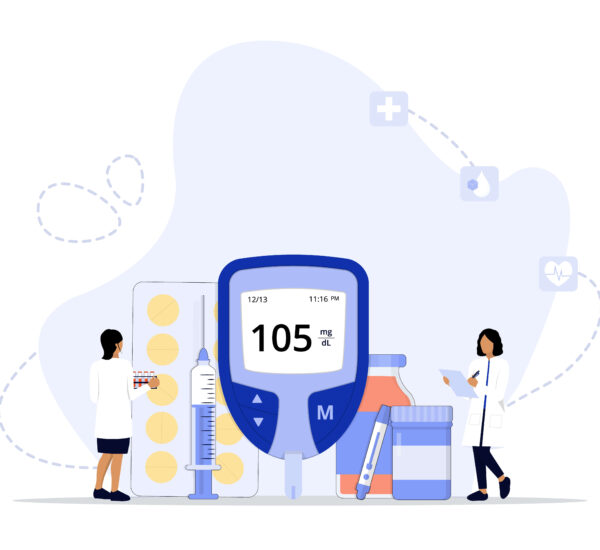
If you’ve ever winced at the thought of pricking your finger multiple times a day to check your blood sugar, you’re not alone. Modern technology now offers a gold standard of painless blood sugar testing, CGM. It allows you to check your blood sugar without needles or at least with far fewer pricks than traditional methods require.
In this guide, we’ll walk you through on how to use continuous glucose monitors (CGMs) for blood glucose monitoring without pain to check your blood sugar level. At the same time, discover where you can buy this machine, and when to use it. Let’s begin!
What Is a Continuous Glucose Monitor?
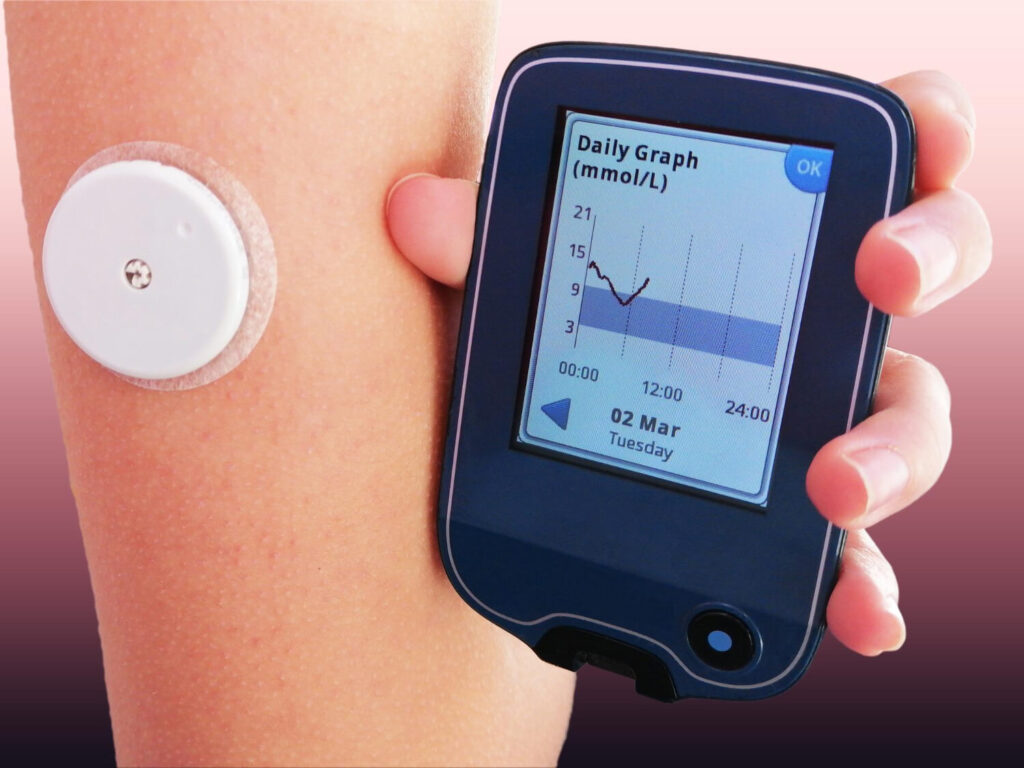
A continuous glucose monitor (CGM) is a wearable device that tracks your glucose levels throughout the day and night. Unlike traditional blood glucose meters that require finger pricks, CGMs use a tiny sensor placed just under your skin to measure glucose in the interstitial fluid.
How Does CGM Work?

A small, coin-sized sensor attaches to your skin (usually on the back of your upper arm or abdomen) using an adhesive patch. This sensor contains a hair-thin filament that sits just beneath the skin’s surface. The sensor continuously measures your level of glucose and sends the glucose data wirelessly to a receiver, smartphone app, or dedicated reader device.
Most CGM sensors last between 7 to 15 days before needing replacement. Some systems, like flash glucose monitors, require you to scan the sensor with your phone or reader to get readings, while real-time CGMs automatically send continuous updates and can alert you when your levels go too high or too low.
When Do Doctors Recommend CGM to Diabetic Patients?
Doctors treating diabetes commonly recommend patients to use CGM as part of their diabetes management plan. Most patients that use this machine are those diagnosed with the following types of diabetes and related conditions:
- Type 1 Diabetes
- Type 2 Diabetes
- Hypoglycemia
Furthermore, if the patient is undergoing insulin therapy, CGM is an ideal monitoring machine as it collects continuous glucose data of the patient. Thus, allowing them to see if there’s a severe low and high level of glucose.

Benefits of Testing Blood Sugar Without Pricking Your Finger
- Reduced pain and discomfort. Traditional finger-prick testing can cause soreness, calluses, and bruising over time. With CGMs, you only need to insert a sensor once every one to two weeks, eliminating the need for multiple daily finger pricks.
- Better understanding of glucose patterns. A blood glucose meter gives you a snapshot of your sugar level at a single moment. A CGM, on the other hand, shows you continuous data. It shows how your glucose rises and falls in response to meals, exercise, stress, and sleep. This complete picture helps you and your doctor make more informed treatment decisions.
- Real-time alerts for high and low blood sugar. Many CGMs can notify you when your glucose is trending too high or too low, allowing you to take action before experiencing symptoms. This is particularly valuable for people who experience frequent low blood sugar episodes or have hypoglycemia unawareness.
- Convenience and discretion. Checking your glucose with a quick scan or glance at your phone is far more convenient than carrying around testing supplies. The small, discreet sensors are water-resistant, so you can shower, swim, and exercise without worry.
How to Properly Test Blood Sugar Without Pricking Your Finger with CGM Devices
The Do’s of Home Glucose Testing with CGM Devices
- Do: Follow Proper Sensor Placement Guidelines – The accuracy of your CGM readings depends heavily on where and how you place the sensor. Always follow the manufacturer’s instructions for sensor insertion.
- Do: Rotate Your Sensor Sites – Don’t place your new sensor in the exact same spot as the previous one. Rotating between different areas of your arm (or switching arms) gives your skin time to recover and helps maintain consistent accuracy. Avoid areas with tattoos, moles, or scars, as these can interfere with readings.
- Do: Give the Sensor Time to Stabilize – Most CGMs need a warm-up period after insertion before they start providing accurate readings. This can range from one hour to several hours depending on the device.
- Do: Verify Readings When Necessary – While CGMs are highly accurate, there are times when you should confirm readings with a traditional finger-prick test. This includes when your symptoms don’t match what the CGM shows, when glucose levels are changing rapidly, or before making insulin dosing decisions.
- Do: Share Data with Your Healthcare Team – Most CGM apps allow you to download and share your blood glucose readings with your doctor. Take advantage of this feature during your appointments and share your glucose data with your healthcare provider to curate the suitable treatment plan for your diabetes.
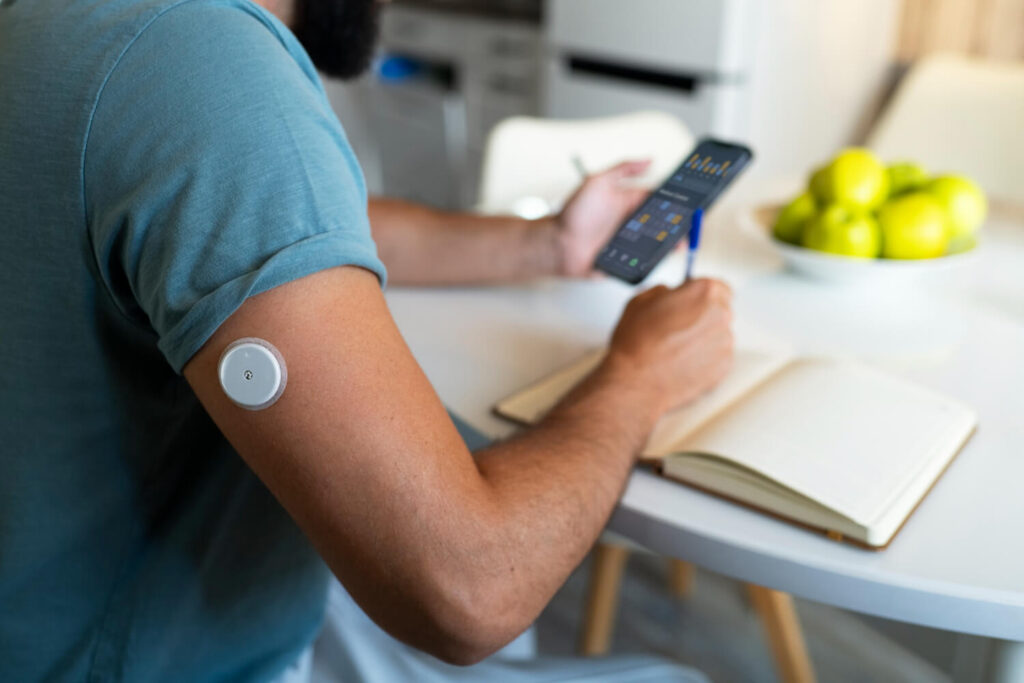
The Don’ts of Blood Sugar Monitoring at Home
- Don’t: Ignore Sensor Care and Maintenance – Your CGM sensor needs basic care to function properly. Don’t apply lotions, creams, or sunscreen directly on or around the sensor, as these products can interfere with adhesion and potentially affect readings.
- Don’t: Expose Your CGM to X-rays or MRI Machines – CGM devices should not be worn during X-rays, CT scans, or MRI procedures. The radiation can damage the device or cause it to malfunction.
- Don’t: Sleep on Your Sensor – Pressure on your sensor while sleeping can cause temporarily inaccurate readings—a phenomenon called “compression low.” If you notice you have a severe low blood sugar level at night but return to normal when you wake up, you may be sleeping on the sensor.
- Don’t: Rely Solely on CGM for Emergency Decisions – While CGMs provide valuable continuous data, they measure glucose in interstitial fluid, which can lag behind actual blood glucose by 10 to 15 minutes. During times of rapidly changing glucose levels, the CGM reading may not reflect your current blood sugar. In emergency situations or when symptoms are severe, confirm with a finger-prick test and seek medical attention if needed.
- Don’t: Expect Perfect Readings – No glucose monitoring system is 100% accurate all the time. CGMs have a margin of error, and occasional outlier readings are normal. Don’t panic over a single high or low reading. Look at the overall trend and pattern of your glucose levels rather than obsessing over individual numbers.
Where to Buy FDA-Approved CGM Devices in the Philippines?
Continuous glucose monitoring equipment is not available to some Philippine pharmacies. However, there are many approved distributors in the Philippines. Here’s where you can find and buy one to help manage your diabetes.
- Online Selling Platforms: Several flagship storefronts that officially sell CGM in the Philippines are easily found on Shopee and Lazada. One of these stores is iCare.
- Official Website Store: You can also buy directly on the official website of the CGM distributors. One of the popular CGM options is Abbott’s FreeStyle Libre Philippines.
- Prominent Pharmacies: Another option you can try is visiting different pharmacies near you. Some major pharmacy chains like Watsons and Southstar Drug, Mercury Drug Company branches, etc.
Book Diabetes Doctor Consultation to Know if You Need CGM to Check Your Blood Sugar Without Needles
If you’ve been diagnosed with diabetes, you’re already using the glucose meter that needs glucose strips to check your blood sugar at home. Now if you want to switch to CGM for real time monitoring, you might want to talk to your doctor first. However, if you don’t have a doctor yet, and want to know if you have diabetes, you can use NowServing to get started.
Here’s how NowServing can help you connect with diabetes screening doctors:
- Visit the Diabetes Screening service page or click this link for an easier access
- Browse the list of doctors and choose one to start booking an appointment
- Fill-up the form provided
- Wait for the doctor to accept your booking
Note: If you already have a diabetes doctor, it’s best to consult your doctor instead of having a new one. That way, you can just improve your current diabetes management plan, than curating a new one.
If you’re considering a laboratory test for diabetes screening, read this related blog to know the blood glucose test prices in the Philippines.
Frequently Asked Questions About Needle-Free Glucose Monitoring
Is a CGM completely needle-free?
Not entirely. While CGMs eliminate the need for daily finger pricks, the sensor insertion process does involve a small needle that helps guide a thin filament under your skin. However, this needle retracts immediately after insertion, leaving only the tiny, flexible sensor behind. Most users report that the insertion feels like a small pinch and is far less painful than traditional finger pricks.
Can I use a CGM if I don’t take insulin?
Yes. While CGMs were originally designed for people on insulin therapy, they can benefit anyone who wants to understand how their body responds to food, exercise, and lifestyle factors. If you’re managing diabetes through diet and oral medications, a CGM can still provide valuable insights into your blood sugar patterns.
How accurate are CGMs compared to traditional blood glucose meters?
Modern CGMs have achieved high accuracy levels. Most current devices have a Mean Absolute Relative Difference (MARD) of around 8-10%, which is considered clinically accurate for diabetes management. However, CGMs measure glucose in interstitial fluid rather than blood, so there can be a slight lag of 10 to 15 minutes compared to finger-prick tests. For most daily management purposes, CGMs provide reliable readings.
Can children and elderly family members use CGMs?
Yes, CGMs are suitable for various age groups. Many systems are approved for use in children as young as 2 to 4 years old, depending on the device. For elderly family members, CGMs can be especially helpful as they reduce the complexity of diabetes management and allow caregivers to remotely monitor glucose levels through smartphone apps.
What happens if my CGM device sensor falls off early?
CGM sensors cannot be reinserted once removed. If your sensor falls off before its expected lifespan, contact your device manufacturer’s customer support—many companies offer replacement sensors for units that fail prematurely. To prevent early sensor loss, avoid touching or bumping the sensor during activities, and consider using adhesive patches or medical tape for extra security.
Can I use a smartwatch as one of the alternative ways to check blood sugar?
No, you smartwatches can’t provide an accurate blood sugar level as it doesn’t use a sensor like what a CGM uses. That’s why you cannot rely on your smartwatch to monitor your glucose levels.
Conclusion
The ability to check your blood sugar without needles represents a significant advancement in diabetes care. Continuous glucose monitors offer a more comfortable, convenient, and comprehensive way to track your blood glucose levels throughout the day.
If you’re considering switching to a CGM or have questions about managing your diabetes, consulting with a diabetes screening doctor can help you determine the best monitoring approach for your needs. Ready to take the next step in your diabetes care? Book an online consultation with a diabetes specialist on NowServing to discuss whether a CGM is right for you.