The Food and Nutrition Research Institute estimates that roughly 1 in 5 Filipino adults and nearly 1 in 4 pregnant women are anemic, and most of them do not know it. The condition quietly eats at energy, focus, and stamina, showing up as “tamad-tamad lang” days that stretch into weeks. For many, the fix starts at the dining table, not the pharmacy.
Eating anemia foods can help rebuild red blood cells, restore energy, and often correct mild iron deficiency without a single supplement. While you can reach for a prescription, it is also worth looking hard at what is on your plate and how you pair your meals.
This guide covers the top 10 anemia foods to eat, fruits good for anemia, and the small habits that decide how much iron your body actually absorbs.
What Is Anemia?
Anemia happens when your body does not make enough healthy red blood cells to carry oxygen to your tissues and organs. Without that oxygen supply, you feel drained, your skin looks pale, your heart pounds during light activity, and even climbing stairs feels like a workout. Dizziness, brittle nails, headaches, shortness of breath, and cold hands or feet are common companions.
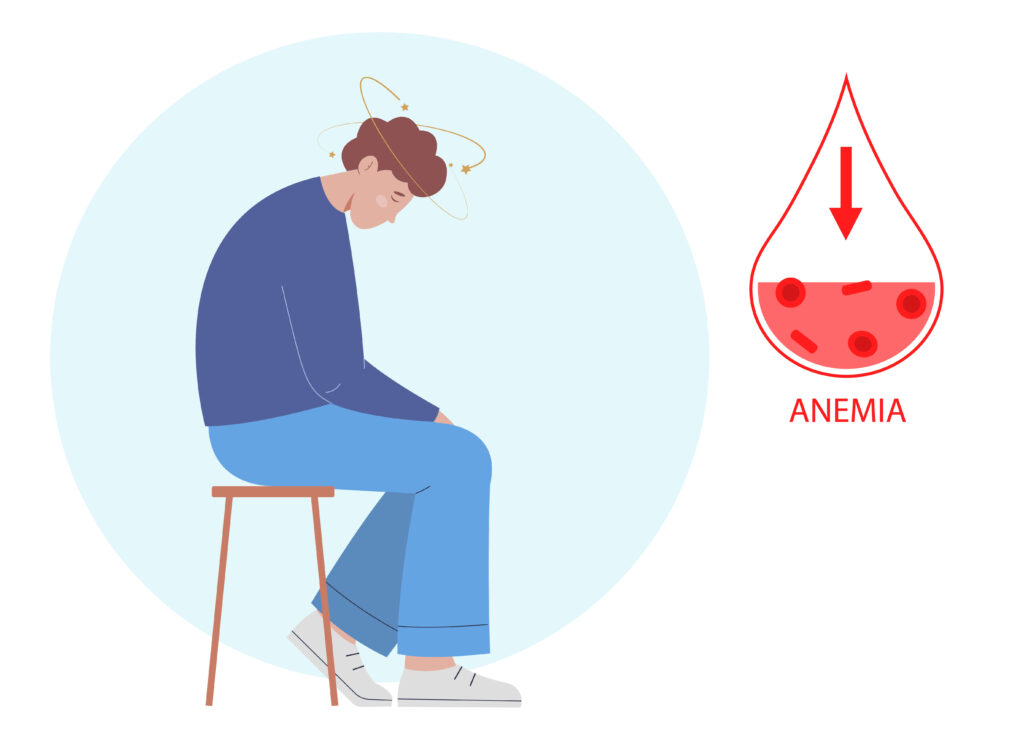
In most cases, people get anemia due to lack of iron, also known as iron deficiency. It is usually triggered by blood loss, pregnancy, poor iron absorption, or a diet missing good sources of iron. Vitamin B12 and folate deficiencies can also cause anemia. Fortunately, you can do something about it, like iron-focused diet
Diet is the first line of defense for most mild cases. Foods rich in iron, B12, and folate give your body the raw materials to produce new red blood cells and raise hemoglobin in as little as a few weeks. While eating iron foods for anemia can help, it is still important to consult medical help. Severe cases need a prescribed dose of iron and medical follow-up, so book a consultation with a hematologist on NowServing.
How To Boost Iron Absorption At Every Meal?
A few small habits make your anemia treatment foods work harder:
- Add vitamin C to every iron-rich meal. A squeeze of calamansi over sauteed kangkong changes the math completely.
- Skip tea and coffee within an hour of eating. Tannins block iron absorption by up to 60 percent.
- Cook in cast iron. Acidic dishes like tomato-based adobo absorb measurable iron straight from the pan.
- Separate calcium from iron. Milk, cheese, and calcium supplements compete with iron for absorption, so space them a few hours apart from your iron-rich meals.
If you manage other conditions, review foods for high blood pressure or foods for diabetics to build meals that serve multiple goals at once.
Top 10 Best Foods for Anemia
These best foods for anemia fall into two groups. Heme iron comes from animal products and absorbs at roughly 25 percent, while non-heme iron from plants absorbs at about 5 percent. At the same time, vitamin C can triple the absorption rate of non-heme iron, so a strong anemia diet mixes both sources for steady gains.
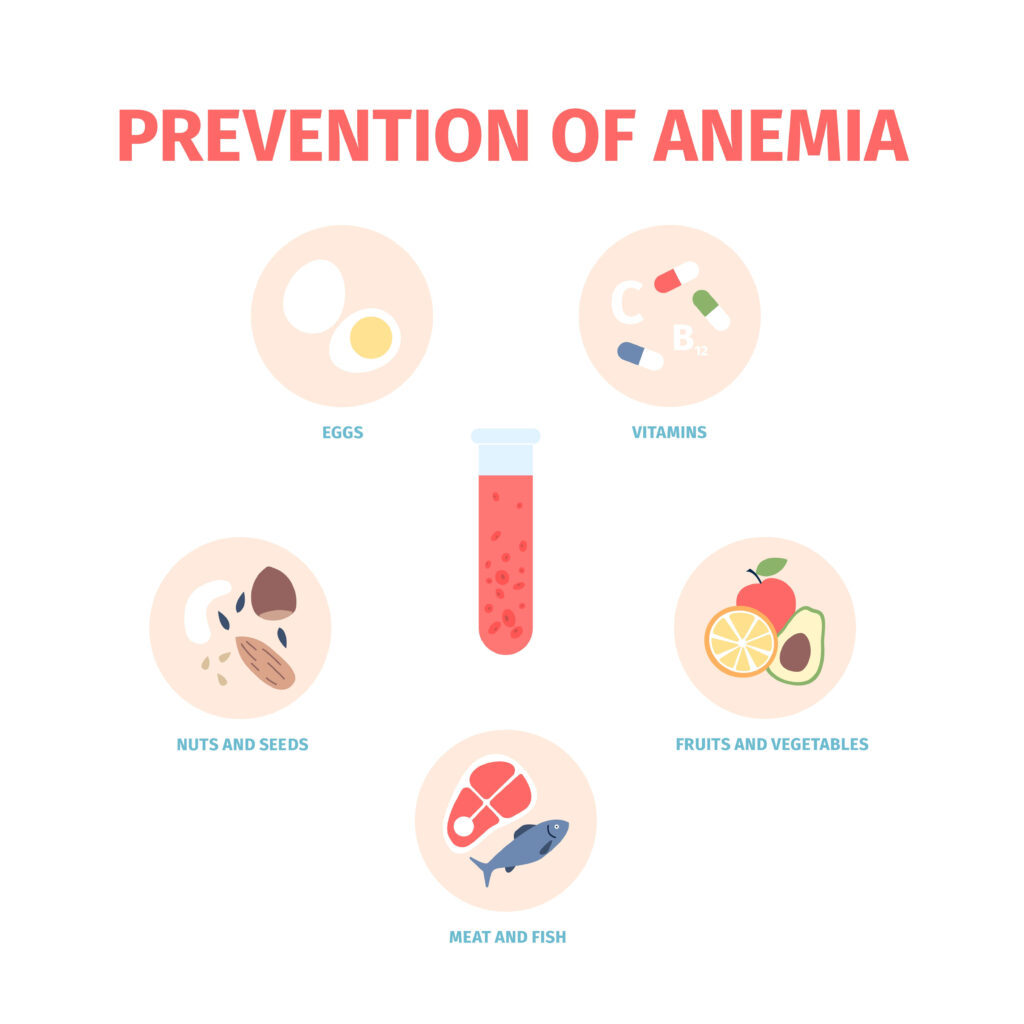
Foods Good for Anemia: Animal-Based Iron Sources
- Lean red meat: Red meats like beef, lamb, and carabeef are excellent sources of iron plus vitamin B12. A 100-gram serving delivers about 2.7 mg of iron and most of the B12 you need that day.
- Chicken and pork liver: You can also consume chicken or pork liver if you need one of the densest iron sources you can buy. A single 100-gram serving covers more than a full day’s worth of iron, which is why liver has stayed on Filipino tables for generations.
- Seafoods (Shellfish): Clams, oysters, and tahong pack more iron per gram than red meat and add zinc for immune support.
- Sardines and tuna: Canned sardines, eaten with the soft bones, deliver iron, calcium, and omega-3s in one budget-friendly can.
- Eggs: Two eggs supply about 1.8 mg of iron plus the protein your body needs to build new red blood cells.
Foods Good for Anemia: Plant-Based Iron Sources
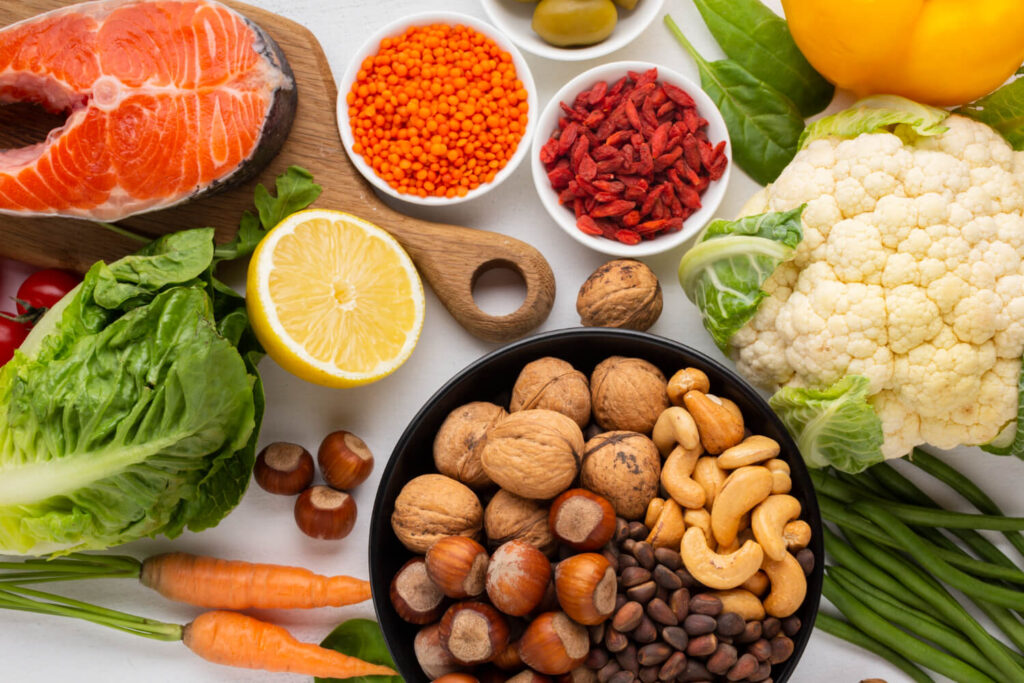
- Dark leafy greens: Malunggay, kangkong, spinach, kale, and kamote tops are classic iron foods for anemia, plus folate for red blood cell production. Cook lightly to protect nutrients.
- Legumes: Mongo beans, peas, lentils, chickpeas, and kidney beans are staples of any vegetarian diet for iron.
- Sweet potatoes: Kamote offers moderate iron plus vitamin A and fiber that support overall blood health.
- Fortified breakfast cereals: Pick brands with at least 25 percent daily value of iron per serving, and pair with fruit for better absorption.
- Tofu and tempeh: Each half-cup delivers around 3 mg of iron, making them essentials for plant-based eaters.
Note: While daily iron intake is your priority, it is still important to have a balanced diet. At the same time, having too much amount of iron can be harmful. So, it’s best to only have enough iron intake for a better iron level.
Fruits For Anemia: The Vitamin C Connection
Fruits are rarely iron-heavy, but fruits good for anemia are critical for iron absorption. Vitamin C can triple how much non-heme iron your body pulls from plant foods, which makes it the single most underrated tool in an anemia diet.
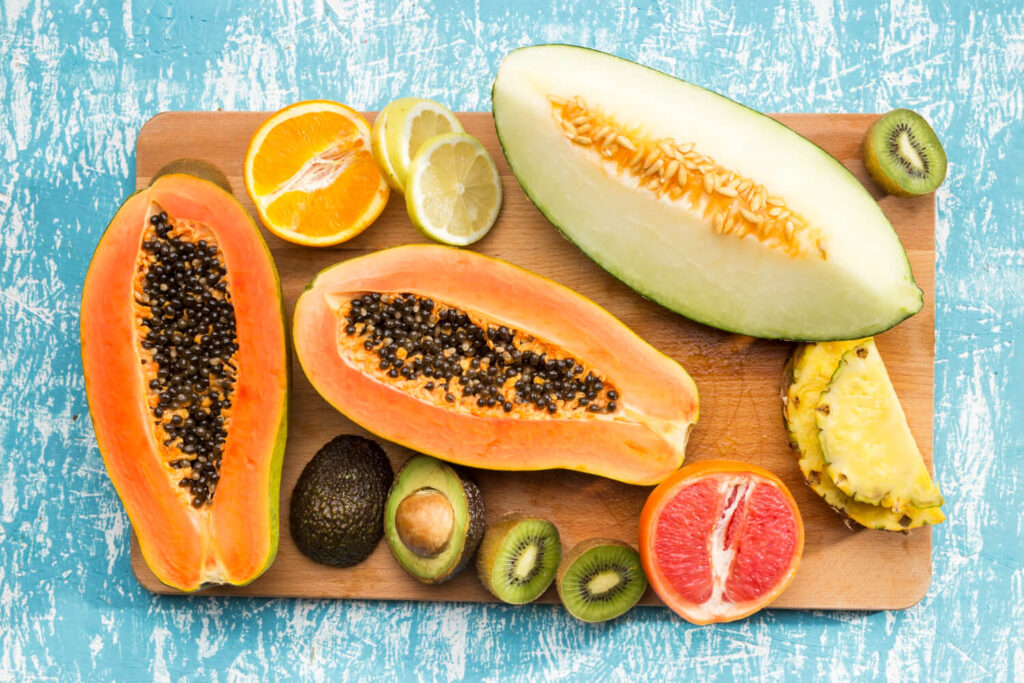
Pair every iron-rich meal with calamansi, dalandan, guava, papaya, mango, or strawberries. Prunes, dates, and raisins also provide modest iron plus natural sweetness that beats processed snacks.
Read this related article about go, grow, glow foods to know more food options and have a balanced meal daily.
When Iron Foods for Anemia are Not Enough
Not all cases of anemia can be fixed by consuming iron-filled foods. Heavy blood loss, ongoing fatigue, or pregnancy-related deficiency often need oral or IV iron supplements on top of dietary change. A registered dietitian on NowServing can build a meal plan around your latest CBC labs, but visiting a hematologist for your anemia should still be a priority. Before changing your diet, confirm it is anemia: a CBC from NowExpress takes one blood draw.
The World Health Organization estimates 40 percent of children globally have anemia, and the Philippine DOH flags iron deficiency as one of the country’s top nutrition concerns, especially among young children and pregnant women.
Visit a pediatric hematologist if your child has anemia, while a hematologist doctor can help adult patients.
How to Book a Dietitian to Create a Meal Plan for Anemia on NowServing?
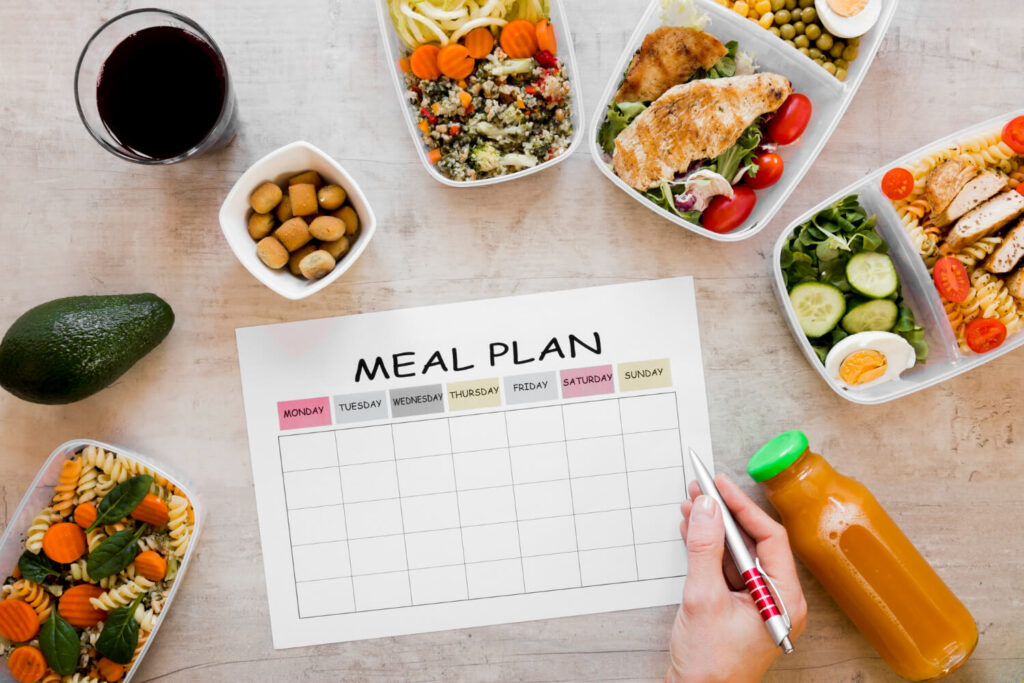
There are various food options if you plan on consuming a hearty meal focused on iron. However, it is still important to have a proper diet for a balanced intake of iron. That’s why visiting a dietitian is a must. Visiting a dietitian can help you curate a balanced meal plan to manage your anemia.
Here’s how:
- Browse the list of dietitians in the Philippines and choose your doctor
- Book a session by tapping the “Book Appointment” button
- Fill-up the form provided and wait for the doctor to accept your booking
How to Book a Hematologist for Anemia Diagnosis and Supplements on NowServing?
Meanwhile, if you haven’t received a proper diagnosis for anemia, it is important to visit a hematologist. This doctor can also prescribe supplements to help with your anemia.
Here’s how:
- Check the doctor directory for anemia specialists
- Schedule an appointment and fill-up the form provided
- Wait for the doctor to accept your appointment
Frequently Asked Questions (FAQs) About What to Eat for Anemia
What fruits are good for anemia?
Guava, papaya, strawberries, calamansi, and oranges rank highest because their vitamin C content dramatically increases how much iron your body absorbs from the rest of your meal.
What are the best anemia foods to eat for vegetarians?
Legumes, tofu, tempeh, fortified breakfast cereals, sweet potatoes, and dark leafy greens. Always pair with vitamin C, and consider a B12-fortified food or supplement since B12 is almost exclusive to animal products.
How long before diet improves anemia?
Most patients see hemoglobin rise within 4 to 8 weeks of steady dietary change. Severe cases need a prescribed dose of iron for faster correction and may take 3 to 6 months to fully normalize.
Can I treat anemia with vegan food alone?
Mild iron deficiency often responds to diet. Moderate to severe anemia usually requires supplements and follow-up, because food alone cannot replace iron lost from heavy bleeding or malabsorption.
Conclusion
The best foods for anemia are cheap, local, and already stocked in every palengke. Build meals around red meat, liver, dark greens, legumes, and sweet potatoes, then pair them with fruits good for anemia like guava or calamansi to squeeze out every bit of iron your body can use.
Don’t forget that a balanced meal is still important, so don’t overdo your meals by just consuming iron-filled foods everyday. Consult with an anemia doctor, like a hematologist for iron supplements and a dietitian for a balanced diet.