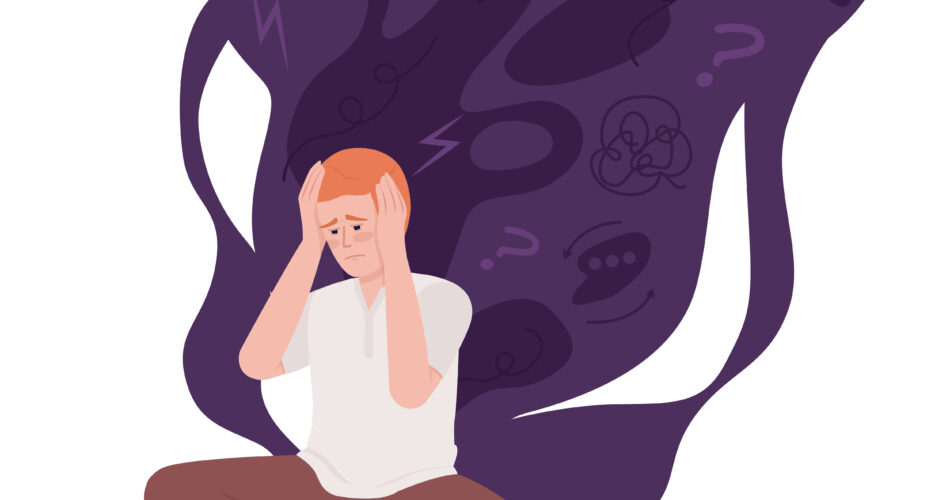
You send money home. You smile on video calls. You tell your family “okay naman ako dito.” And then you close the laptop, sit in your apartment alone, and feel a heaviness that doesn’t have a name in English.
If you’re a Filipino living and working abroad, you already know what this article is about. You just never expected to see it written down.
The mental health struggles of Filipinos abroad are real, documented, and far more widespread than most people think. The data confirms what you’ve been feeling: this is hard, it’s common, and you’re not weak for struggling with it.
The silent crisis in numbers
There are 10.2 million Filipinos living and working outside the Philippines, according to the Commission on Filipinos Overseas. That’s roughly one in every ten Filipinos. OFWs sent home $37.2 billion in remittances in 2023 alone.
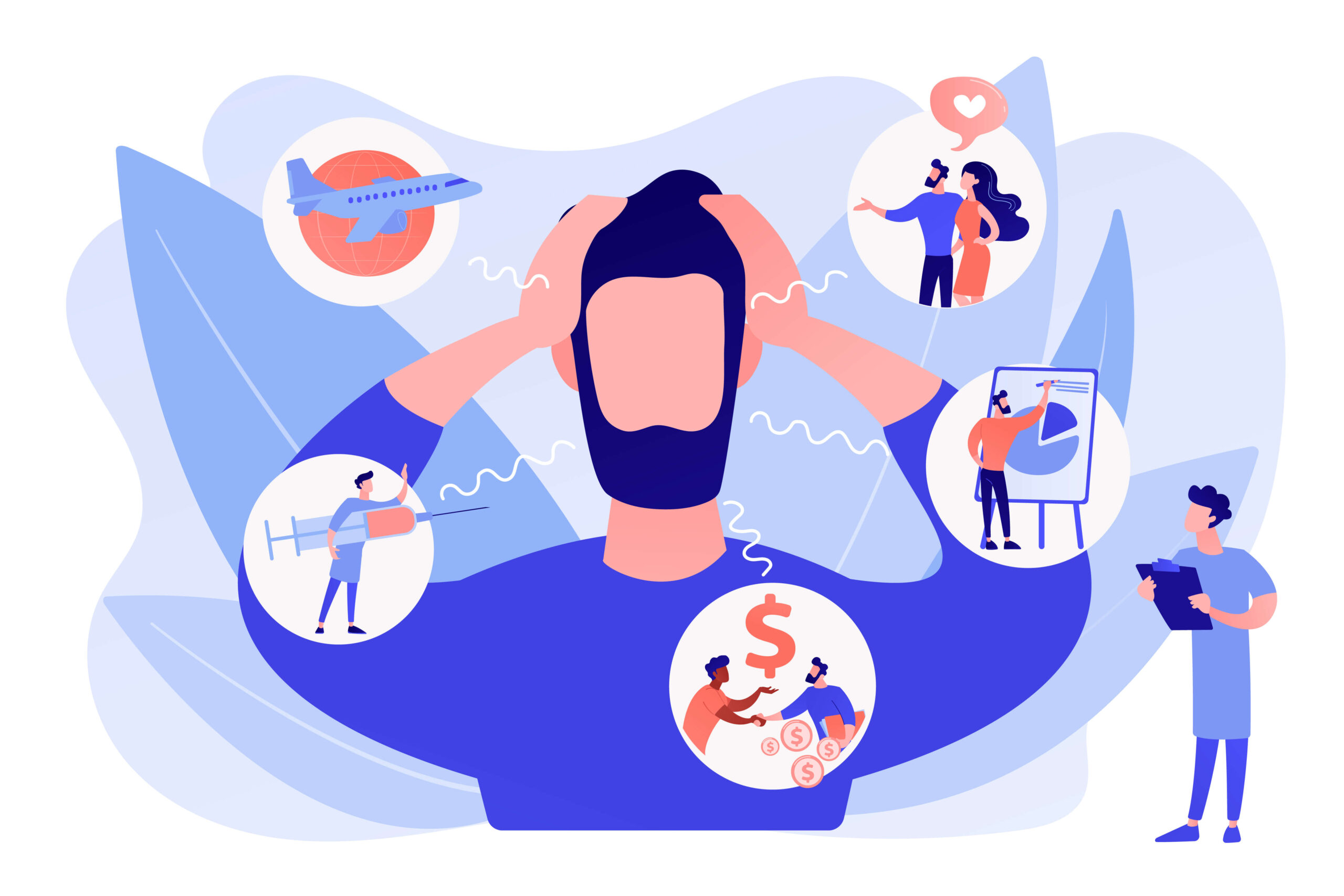
Behind those remittance numbers are people. And the data on their mental health is alarming.
A study published in the International Journal of Environmental Research and Public Health found that 12% of Filipino Americans reported serious psychological distress, a rate higher than the US national average. Among OFWs in the Middle East, depression rates run between 20-30%. Filipino domestic workers in Hong Kong reported anxiety and depression at rates nearly double their local counterparts.
Yet mental health support for OFWs remains underfunded. The Department of Migrant Workers (DMW) hotline 8-722-1144 exists, but many OFWs don’t know about it. OWWA counseling services are available, but uptake is low.
The most common mental health challenges
Mental health struggles among Filipinos abroad don’t come from a single source. They stack. Chances are you’ll recognize more than one.
Homesickness and loneliness. It’s deeper than missing your family. It’s missing the texture of home: the food that tastes right, the conversations that don’t require you to explain yourself. Loneliness as an OFW isn’t about being alone in a room. It’s about being surrounded by people and still feeling invisible.
Family separation guilt. You left to give them a better life, but you missed your child’s first steps. You weren’t there when your parent got sick. The guilt cycles: you feel bad for leaving, then you feel bad for feeling bad, because you’re supposed to be grateful for the opportunity.
Cultural displacement. In the Middle East, the kafala system ties your employment to your sponsor. In Hong Kong, domestic workers have one day off a week and live in their employer’s home. In the US and Europe, you look different, your name is hard to pronounce, and holidays that mean everything to you don’t exist on the local calendar. Cultural adjustment is constant low-grade stress that never fully goes away.
Workplace stress and exploitation. Contract substitution. Withheld passports. Underpayment. Verbal and physical abuse. These aren’t rare. DOLE Department Order 208-20 was created specifically because workplace abuse of OFWs is systemic. Filipinos abroad often accept conditions they shouldn’t because the alternative is going home empty-handed.
The remittance trap. Your family depends on your monthly padala. So do your parents, your siblings, sometimes extended relatives. You can’t get sick, you can’t lose your job, and you can’t spend on yourself because every peso you don’t send home feels like a betrayal. This creates chronic anxiety that builds month after month.
Identity crisis. The longer you stay abroad, the less you fit in back home. But you don’t fully fit in where you are either. Many OFWs describe feeling like they’ve become an ATM to their families, valued for what they send rather than who they are.

The six-month wall: when depression hits hardest
Researchers have documented it and OFWs know it from experience: there’s a predictable pattern to when mental health deteriorates for Filipinos abroad.
The first few months are usually manageable. There’s adrenaline, novelty, relief at finally earning real money. Your family is excited for you. You’re excited too.
Then around month five or six, something shifts.
The novelty wears off. The distance from home stops feeling temporary and starts feeling permanent. Holidays come and go without you. The homesickness that was manageable becomes crushing. You’ve been putting on a brave face for half a year and the emotional reserves run out.
Migration psychologists call this the “crisis phase” of cultural adjustment. It sets in between four and eight months after arrival, when the honeymoon period ends and the reality of long-term separation becomes concrete. Depression, anxiety, and isolation spike during this window.
The dangerous part? This is also when help-seeking is lowest. By month six, OFWs have established a routine of “okay lang ako.” They’ve convinced their families they’re fine. Admitting they’re struggling feels like failure.
If you’re around that six-month mark, or past it and still carrying that weight: what you’re feeling is predictable and documented. It’s the normal psychological response to sustained separation and cultural displacement, not a personal weakness.
Read more about depression symptoms and see if what you’re experiencing aligns with these signs.
How family separation affects everyone
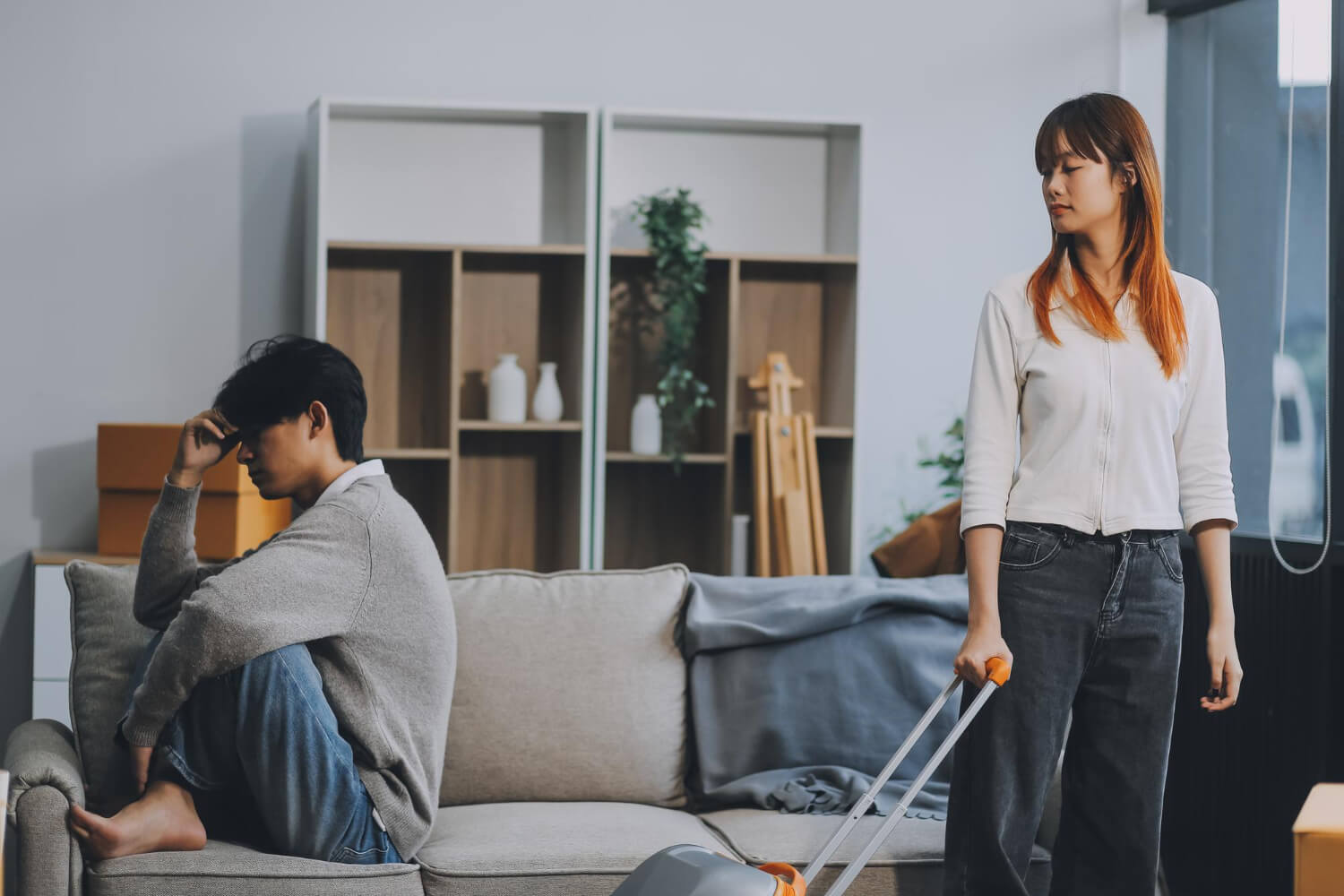
Mental health conversations about OFWs usually focus on the worker abroad. But family separation cuts both ways. The Commission on Filipinos Overseas estimates that roughly 27% of Philippine children have at least one parent working overseas. Millions of kids growing up with a parent on a screen instead of in the room.
Research published in the Philippine Journal of Psychology found that children of OFWs have 50-80% higher rates of depression compared to children living with both parents. These children report feelings of abandonment, separation anxiety, and behavioral problems at school. Many develop ambivalent relationships with the parent who left, a mix of love and resentment that’s hard for a child to process.
For the OFW parent, knowing this makes the guilt worse. You’re working abroad for your children’s future, but the data shows their present is suffering. No amount of Jollibee pasalubong boxes can fix it.
The left-behind spouse carries a burden too: solo parenting, managing the household, performing gratitude because “at least your husband/wife is earning abroad.” The whole family is affected, but services focus almost entirely on the OFW alone.
This is why online therapy options matter for the whole family, not just the overseas worker. Psychotherapists in the Philippines can work with the spouse, the children, and the OFW separately or together.
Why Filipinos abroad don’t seek help
The barriers go beyond stigma. They’re structural, cultural, financial, and practical, all layered on top of each other.
Hiya and cultural stigma. “Baliw” is the word people use, and it stings. Admitting you need help feels like admitting weakness in a culture that celebrates endurance. “Kaya mo yan.” “Tiis lang.” “Dasalan mo lang.” These phrases come from love, but they shut down mental health conversations before they start.
The “bagong bayani” pressure. OFWs are literally called “new heroes” by the Philippine government. How do you tell people you’re struggling when you’ve been elevated to hero status? The pressure to perform that role makes vulnerability feel like betrayal.
Fear of consequences. Many OFWs worry that seeking mental health treatment could affect their employment or immigration status. In the Middle East, mental health diagnoses can complicate medical clearances. The fear isn’t always unfounded.
No insurance coverage. Most OFW contracts provide basic medical insurance but exclude mental health. Private therapy abroad costs $150-300 per session. That’s half a month’s remittance.
Language barriers. Even fluent English speakers struggle to express deep emotions in a second language. Finding a therapist who speaks Tagalog, Bisaya, or Ilokano in Riyadh or Dubai? Nearly impossible in person.
Not knowing where to go. The simplest barrier, and the most fixable. Many OFWs don’t know about the DMW hotline (8-722-1144), OWWA counseling, or the fact that they can now book a licensed Filipino therapist online from anywhere in the world.
Filipino seafarers: the most isolated group
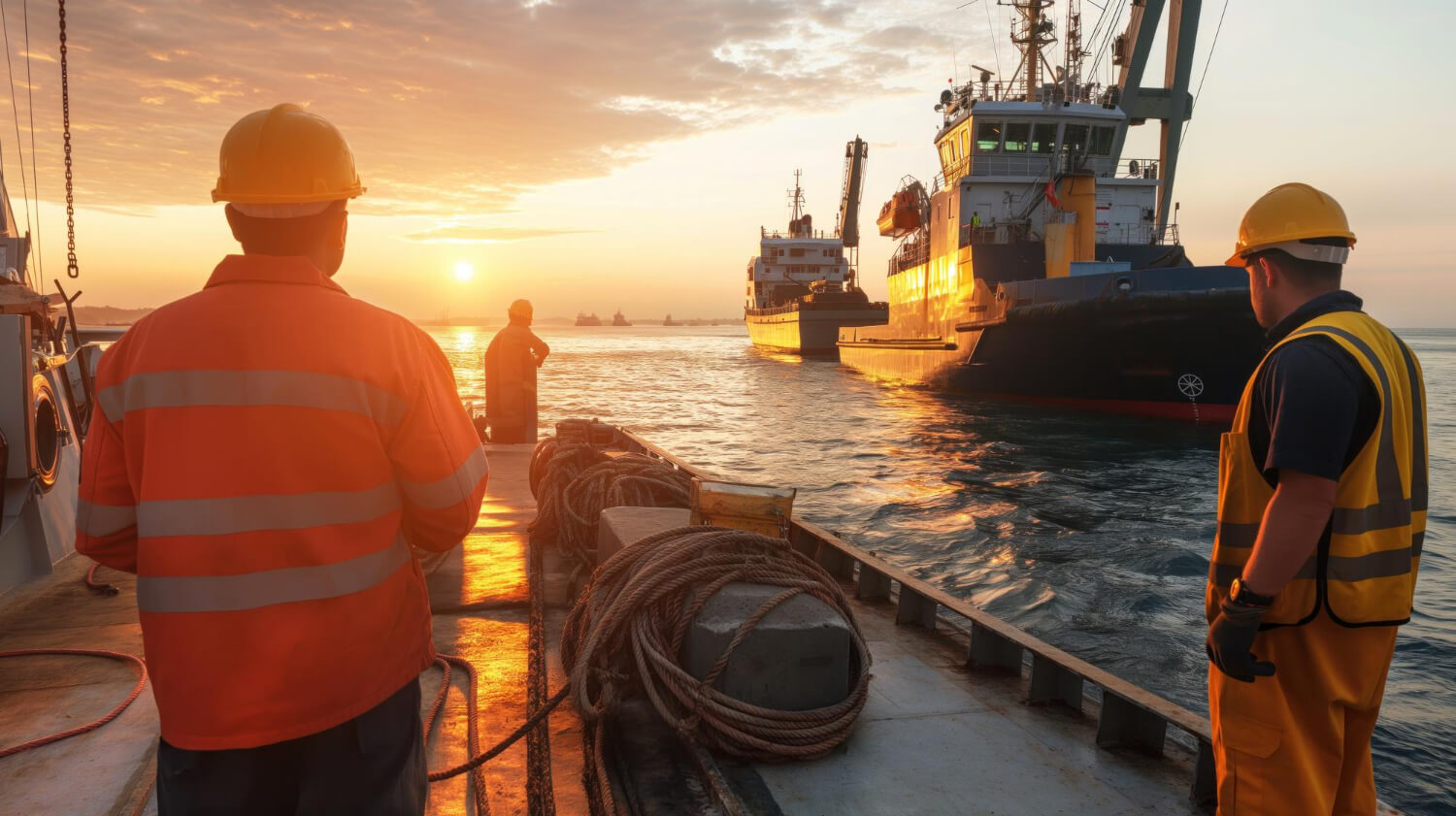
There are over 400,000 Filipino seafarers working on ships around the world. The Philippines supplies a quarter of the world’s maritime workforce. And no group of OFWs is more isolated.
Seafarers spend months at sea with limited internet, no ability to leave their workplace (the ship is the workplace), and crews that speak different languages. Shore leave is short or restricted. You’re trapped in a floating workplace for nine to twelve months at a time.
Studies covering 2018-2022 identified 189 diagnosed mental health cases among Filipino seafarers. That number is almost certainly a severe undercount. Mental health screening at sea is minimal, reporting is discouraged because it can end your contract, and many seafarers self-medicate with alcohol rather than seek formal help.
The stressors stack fast. Extended separation from family with no ability to visit. High-pressure physical work in dangerous conditions. Ship culture that discourages vulnerability. Fatigue from watch schedules and constant noise. And the knowledge that you’re replaceable if you complain, because there are thousands of kababayan waiting for your slot.
MARINA and manning agencies have begun addressing mental health, but a one-hour pre-departure seminar before a nine-month voyage isn’t enough.
If you’re a seafarer or have a family member at sea, know that online counseling sessions can be booked during port calls or when internet access is available. It’s not ideal, but it’s a lifeline. Online psychiatrists and psychotherapists can work with the scheduling constraints of life at sea.
Reintegration: the struggle nobody talks about
Here’s what catches most OFWs off guard: coming home is often harder than leaving.
After years abroad, you come back to a Philippines that has changed. Your children have grown up without you. Your spouse has learned to manage alone. The house you built with your remittances is there, but it doesn’t feel like home yet. The person you’ve become doesn’t quite fit in the life you left behind.
This is reverse culture shock. Returning OFWs report feeling like strangers in their own country. They’re expected to be happy (you’re home!), grateful (the sacrifice was worth it!), and immediately back to normal. Psychologically, reintegration takes time. Sometimes years.
If you and your family needs reconnection, sometimes family counseling helps. Book this therapy session on NowServing.
The financial shock hits too. After earning in dollars, dirhams, or pounds, the local economy feels impossible. Many returning OFWs go through their savings quickly and consider going abroad again, starting the cycle over.
Some return with PTSD from workplace abuse, unprocessed grief from missing funerals, or depression they masked for years. These don’t resolve when the plane lands in NAIA.
OWWA’s reintegration programs focus on livelihood training and financial assistance. Psychosocial support is minimal. If you’re a balikbayan going through reintegration difficulties, online therapy with a Filipino therapist who understands the OFW experience can help you process what you’ve been carrying.
Where to get help
Here are the specific resources available to OFWs, seafarers, Filipino immigrants, and their families:
Government resources:
- DMW Hotline: 8-722-1144 (toll-free for OFWs, 24/7)
- OWWA Psychosocial Counseling: Available through Philippine embassies and OWWA regional offices. Free for registered OFWs.
- National Center for Mental Health (NCMH): (02) 8989-8727 (crisis hotline, 24/7). Also offers free online consultations on Mondays, Wednesdays, and Fridays.
- RA 11036 (Philippine Mental Health Act): Guarantees the right to mental health services for all Filipinos, including OFWs. Your employer cannot fire you for seeking mental health support under this law.
- Hopeline PH: 2919 (Globe/TM), 0917-558-4673 (for suicidal ideation and crisis support)
Online therapy options:
- NowServing: Browse licensed Filipino psychiatrists, psychologists, and psychotherapists with transparent fees. Book from any country, with sessions that work across timezones.
If you or someone you know is in crisis: Contact NCMH at (02) 8989-8727 or Hopeline at 2919 immediately. If you’re outside the Philippines, call local emergency services or go to the nearest emergency room.
Read about therapy for depression and how you can start them with NowServing Care Gift Card.
Coping strategies that actually work
These aren’t motivational poster advice. They’re evidence-based practices that work specifically for the OFW experience.
Stay connected on your schedule, not out of obligation. Video calls with family are good, but they can also become a source of guilt and performance. If daily calls feel like pressure, switch to every other day. Quality over frequency. It’s okay to have a bad day and not pretend otherwise on the call.
Find your Filipino community abroad. Every major city has Filipino communities, churches, and associations. They’re psychosocial support networks. Hearing someone else say “pare, hirap din ako” is therapeutic in ways that professional language can’t always match. Facebook groups for OFWs in specific countries also provide a sense of belonging.
Physical activity, even 20 minutes a day. Exercise has specific, documented effects on depression and anxiety. A 20-minute walk after work costs nothing and creates real neurochemical change. Find what works within your constraints, even if it’s bodyweight exercises in your room.
Write things down. Journaling sounds cheesy until you try it. The OFW experience generates emotions that have nowhere to go. Writing, even for five minutes before bed, creates a release valve. Your phone’s notes app works.
Set boundaries around money. This is hard, maybe the hardest thing on this list. Financial stress is one of the top mental health triggers for OFWs. If your family’s expectations around remittances are unsustainable, that conversation needs to happen. Many Filipino therapists who work with OFWs specifically help with this.
Try online therapy with a Filipino therapist. You don’t need to be in crisis to book a session. If you’ve been carrying a heaviness for weeks or months, if you’re past the six-month wall and the feelings aren’t lifting, those are signs. There’s a reason more Filipinos overseas are choosing Filipino therapists online. A Tagalog-speaking psychologist or a psychotherapist who understands OFW life can help you process what you’re going through without needing a cultural crash course first.
Find more motivational steps to manage anxiety or depression with this guide.
Send Your Care Abroad with NowServing Care Gift Card
OFWs are not the only ones who can send a gift to their loved ones, like a ‘balikbayan box’. People in the Philippines can also give back to their families abroad with this gift of health, NowServing Care Gift Card.
This gift card for health is available on the NowServing app only. Follow these 3 easy steps:
- Fill-up the form by adding the recipient’s number, name, and email (optional).
- Select an amount (PHP 1000, PHP 1500, PHP 2000, or a custom amount).
- Finalize and click send
Your loved one will receive an SMS and email to help them redeem the gift card, which they can use one-time for a mental health doctor consultation.
NOTE: Mental health consultation is just the first phase. Stay tuned to more updates to see when you can use the gift card for other specialty doctor bookings.
Frequently asked questions
What are the most common mental health problems of OFWs?
Depression, anxiety, chronic homesickness, and burnout are the most common. Family separation guilt, workplace stress, financial pressure from remittances, and cultural isolation also contribute. Many OFWs experience several of these simultaneously, which is why mental health among Filipinos abroad tends to be a compounding problem rather than a single issue.
Why do OFWs get depressed after 6 months abroad?
Migration psychologists have documented a “crisis phase” that typically hits between four and eight months after arrival. The novelty fades, long-term separation becomes real, and homesickness intensifies. This is a predictable pattern, not a personal weakness. Knowing about it helps OFWs and their families prepare.
What is the Philippine Mental Health Act and does it cover OFWs?
Republic Act 11036 (Philippine Mental Health Act of 2018) recognizes mental health as a fundamental right of all Filipinos, including OFWs. It prohibits discrimination based on mental health conditions, meaning your employer cannot terminate your contract solely because you sought mental health treatment.
Where can OFWs get free mental health support?
OWWA offers free psychosocial counseling through Philippine embassies. NCMH has a 24/7 crisis hotline at (02) 8989-8727 and free online consultations on Mondays, Wednesdays, and Fridays. DMW hotline 8-722-1144 can connect OFWs with assistance. Hopeline PH (2919) provides crisis support.
How does being an OFW affect children left behind?
Research shows children of OFWs have 50-80% higher rates of depression compared to children living with both parents. About 27% of Philippine children have at least one parent working abroad. These children commonly report feelings of abandonment, separation anxiety, and behavioral difficulties. The mental health impact is real for the entire family, not only the OFW.
What are the signs an OFW family member is struggling?
Watch for changes in communication: shorter calls, avoiding video, seeming withdrawn or irritable. Physical signs include fatigue, changes in appetite, difficulty sleeping. Increased alcohol use is common, especially among seafarers. If they stop sending updates or become evasive, don’t assume they’re busy. Ask directly and gently.
Is online therapy available for Filipinos working abroad?
Yes. Licensed Filipino psychiatrists, psychologists, and psychotherapists now offer online consultations that work across timezones. You can book from any country. Sessions are conducted via video call in Filipino, English, or Taglish. This is one of the biggest changes in OFW mental health access in recent years.
How can families back home support an OFW’s mental health?
Don’t only talk about money. Ask how they’re actually doing and create space for honest answers. Share regular family updates so they still feel part of daily life. If they seem to be struggling, normalize therapy. You could even offer to book a session together with a Filipino therapist online.
What should an OFW do if they feel suicidal?
Contact the NCMH crisis hotline immediately at (02) 8989-8727 (24/7) or Hopeline PH at 2919. If you’re outside the Philippines, call the local emergency number or go to the nearest emergency room. Suicidal thoughts are a medical emergency. You are not a burden. You are not weak. If you prefer to talk to a Filipino professional, online psychiatrists can provide consultations.
Do OFWs experience reverse culture shock when they come home?
Yes, and it’s more common than most people realize. Returning OFWs often feel like strangers in their own country. Children have grown up, relationships have changed, and the OFW themselves has changed. Financial adjustment from foreign currency to local wages adds stress. Some also carry unprocessed trauma from their time abroad. OWWA’s reintegration programs focus mainly on livelihood, with limited psychosocial support.


