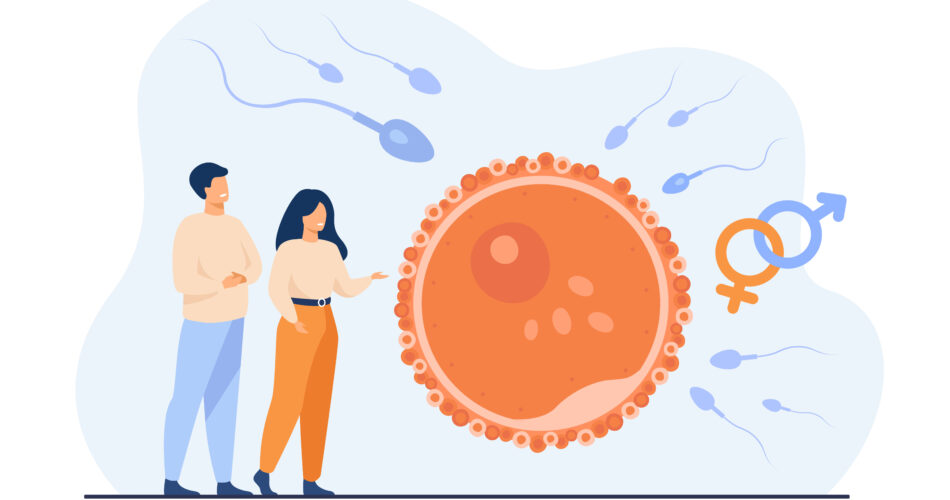
Trying to conceive, but often leads to negative pregnancy tests commonly indicate fertility problems. About 1 in 6 couples worldwide experience this problem, and in many cases, the signs of infertility in women show up long before a couple starts trying.
Recognizing these signs early puts you ahead. Discover the changes in your body that often contribute to infertility in this blog. Find out when it’s time to see a fertility specialist. Let’s begin!
What is Female Infertility?
Female infertility means a woman has difficulty getting pregnant after 12 months of regular, unprotected intercourse. For women over 35, that timeline shortens to 6 months. It doesn’t always mean pregnancy is impossible, but it means something may be interfering with ovulation, fertilization, or implantation.
According to the American Society for Reproductive Medicine, about one-third of infertility cases are attributed to female factors, one-third to male factors, and the remaining third to a combination of both or unexplained causes.
Understanding the cause of infertility matters because for many women, the clues have been there for years.
How to Know If You’re Infertile: A Self-Check
You can’t diagnose infertility on your own, but you can spot the warning signs early. The most common red flags are irregular or missing periods, painful menstruation, unexplained weight changes, and difficulty conceiving after 12 months of regular, unprotected intercourse (or 6 months if you’re over 35).
Tracking your cycle for 2 to 3 months gives you concrete data to bring to a doctor. Note the length of each cycle, the heaviness of your flow, any pain or unusual discharge, and how your body feels around ovulation. These details help a fertility specialist narrow down the cause faster.
Common Signs of Infertility in Women
Some signs are obvious. Others are easy to dismiss as “normal.” These are the ones worth paying attention to.

Irregular Menstrual Cycles
A typical menstrual cycle runs between 21 and 35 days. If your periods come at unpredictable intervals, skip months entirely, or suddenly change in flow, that’s a red flag. Irregular menstrual cycles often signal that regular ovulation isn’t happening.
Without ovulation, there’s no egg to fertilize. Conditions like polycystic ovary syndrome (PCOS), thyroid disorders, and premature ovarian insufficiency are common culprits behind irregular periods.
Read this related blog to know when it’s time for your menstruation.
Painful Periods or Heavy Bleeding
Mild cramps during your period are normal. But severe pelvic pain that disrupts your daily routine, heavy clotting, or bleeding that lasts more than 7 days could point to endometriosis or uterine fibroids.
Endometriosis occurs when tissue similar to the uterine lining grows outside the uterus. It affects an estimated 10% of women of reproductive age globally. Uterine fibroids are noncancerous growths in the uterus that can interfere with implantation and blood flow.
Both conditions are treatable, but they need to be diagnosed first by an OBGYN.
No Period at All
The absence of menstruation (amenorrhea) is one of the clearest signs of infertility. If you haven’t had a period in 3 months or more and you’re not pregnant, breastfeeding, or on certain contraceptives, something else is going on.
Possible causes include extreme weight loss or gain, excessive exercise, high stress levels, and hormonal imbalances affecting the hypothalamus or pituitary gland.
If you plan on changing your food intake, make sure to consult with a Diet and Nutrition specialist.
Changes in Cervical Mucus
Your cervical mucus changes throughout your menstrual cycle. Around ovulation, healthy cervical mucus becomes clear, stretchy, and slippery, similar to raw egg whites. This type of mucus helps sperm travel to the egg.
If you rarely notice this type of discharge, or your cervical mucus stays thick and dry throughout the month, it could indicate ovulation disorders or hormonal issues that affect fertility.
Pelvic Pain Outside of Periods
Chronic pelvic pain that isn’t tied to your period deserves medical attention. It can be a symptom of endometriosis, pelvic inflammatory disease (PID), ovarian cysts, or other reproductive issues.
PID, often caused by untreated sexually transmitted infections, can damage the fallopian tubes and lead to scarring. This scarring can block eggs from reaching the uterus and is a well-documented cause of infertility.
Hormonal Symptoms
Hormonal imbalances don’t just affect your period. Watch for these signs:
- Unexplained weight gain, especially around the midsection (PCOS belly is a common pattern)
- Persistent adult acne
- Excess facial or body hair (hirsutism)
- Thinning hair on the scalp
- Skin darkening around the neck or underarms
These symptoms often point to polycystic ovary syndrome, one of the most common causes of female infertility. PCOS affects up to 12% of women, and many don’t know they have it.
If you’ve been diagnosed with PCOS, your doctor will recommend you to have PCOS management treatment.
Pain During Intercourse
Painful intercourse (dyspareunia) isn’t something to brush off. Deep pain during sex can signal endometriosis, fibroids, or infections. If sex consistently hurts, bring it up with your OBGYN. It could be connected to a fertility problem that needs treatment.
What Causes Infertility in Women
The signs above are symptoms. The conditions and factors behind them fall into a few major categories.
Ovulation Disorders
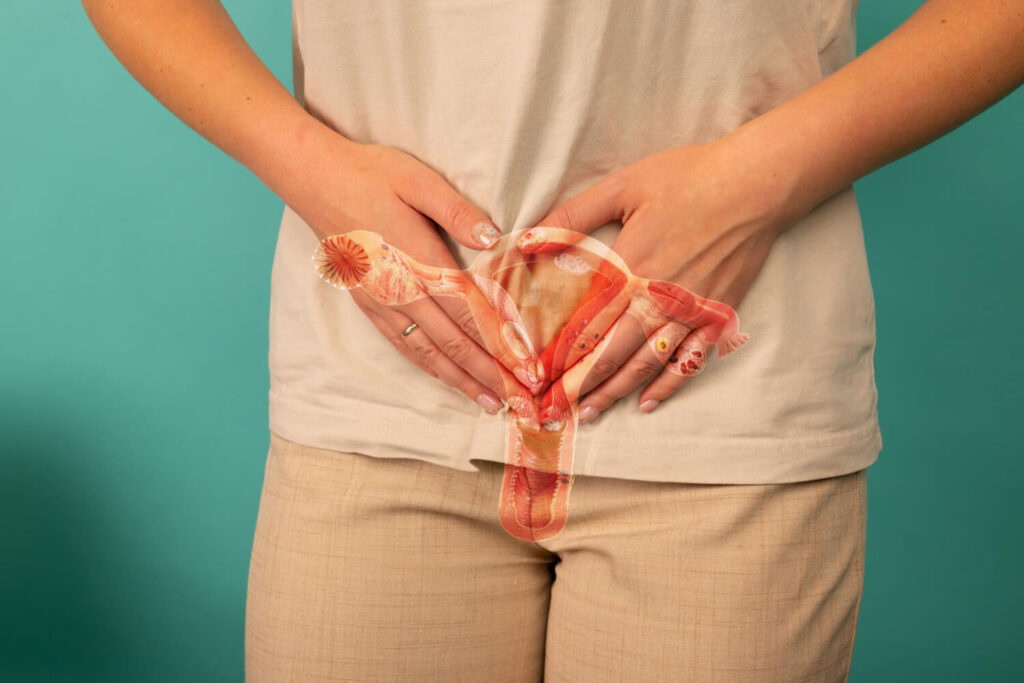
Ovulation disorders account for about 25% of female infertility cases. PCOS is the most common, but other causes include hypothalamic dysfunction, premature ovarian insufficiency, and excess prolactin production.
If you’re not ovulating regularly, fertility treatment can help stimulate egg release. A fertility specialist can run blood tests and ultrasounds to determine whether ovulation is occurring normally. AMH and FSH tests, the usual first fertility labs, are bookable on NowExpress.
Fallopian Tube Damage
Blocked or damaged fallopian tubes prevent sperm from reaching the egg or stop a fertilized egg from reaching the uterus. Common causes include PID, previous ectopic pregnancy, and abdominal surgery. A transvaginal ultrasound is one of the initial diagnostic tools doctors use to evaluate reproductive organs.
If your doctor recommends you to undergo a TVS scan, here’s the transvaginal ultrasound cost in the Philippines
Endometriosis
Endometriosis can cause scarring and adhesions around the ovaries and fallopian tubes. Even mild endometriosis can reduce fertility by creating an inflammatory environment that affects egg quality and implantation.
Uterine or Cervical Issues
Uterine fibroids, polyps, or an unusually shaped uterus can interfere with implantation. Cervical stenosis (a narrowing of the cervix) can also block sperm from entering the uterus.
Age-related Decline
Egg quantity and quality decline naturally with age. The drop becomes steeper after 35 and accelerates after 40. This doesn’t mean pregnancy is impossible at these ages, but it does mean the window is smaller.
Lifestyle Factors
Smoking, excessive alcohol use, being significantly underweight or overweight, and chronic stress all affect fertility. These are also the most modifiable risk factors, meaning small changes can move the needle.
When Should You See a Fertility Specialist?

The major reason why you need to visit a fertility specialist is because of not conceiving a child after several tries of unprotected intercourse. This situation is often caused by several factors, and doctor consultation with a fertility specialist can help you manage your infertility.
- If you’re under 35, see a doctor after 12 months of regular, unprotected intercourse without conceiving.
- If you’re 35 or older, that window shrinks to 6 months.
And regardless of age, consult a specialist right away. You don’t need a referral to start. A reproductive endocrinologist or an OB-GYN with fertility training can run the initial workup, which typically includes blood tests for hormone levels, an ultrasound, and a review of your medical history.
Visit a reproductive endocrinologist or OBGYN with fertility training if you have female infertility symptoms
Medical Treatment Options for Female Infertility
After receiving the doctor’s diagnosis, you’ll receive a treatment plan specified based on your current condition. There are several options to manage infertility, and some of them also involve invasive procedures to help you conceive.
Ovulation medications
Drugs like clomiphene citrate or letrozole stimulate the ovaries to release eggs. These are often the first line of fertility treatment for women with ovulation disorders.
Surgery
Laparoscopic surgery can remove endometrial tissue, fibroids, or open blocked fallopian tubes. It’s minimally invasive and can improve natural conception rates.
Intrauterine insemination (IUI)
IUI involves placing sperm samples directly into the uterus during ovulation. This is often paired with ovulation-stimulating medication.
In vitro fertilization (IVF)
Another option is IVF, which involves getting your eggs, getting them fertilized in a lab, and transferred back into the uterus. IVF has the highest success rates among fertility treatments and is recommended when other methods haven’t worked.
Other treatment options can occur such as lifestyle modifications and weight loss. Have a diet and nutrition counseling or weight loss management.
How to Book Infertility Doctor Consultation to Manage Symptoms of Infertility in Women
The older you get, the narrow your window time gets to get pregnant, especially if you have infertility problems. Start managing these signs of infertility by consulting a fertility doctor on NowServing
Here’s how:
- Open the NowServing app or access the Infertility conditions page on the NowServing website
- Browse the list of doctors in the Philippines to know who can manage this condition. You can see some Reproductive Endocrinologists and OBGYN with Fertility Training among the list of doctors
- Start booking an appointment by tapping the “Book Appointment” button
- Follow the booking process to schedule a doctor appointment
- Wait for the doctor to accept your booking
Download the NowServing app to your device for a more seamless consultation with your doctor.
How Much Does A Consultation with an Infertility Doctor Cost?
Consultations on NowServing typically starts at PHP 500.00. If you are looking for a more affordable option, you can browse the doctor’s fee before booking a doctor consultation on NowServing.
You can also use your HMO instead of paying cash, make sure to book an accredited doctor of your HMO provider.
Check the list of HMOs that NowServing doctors accept.
March is Women’s Month, Take Care of Your Health!
Visit an OBGYN and fertility specialist near you for doctor consultation.
Frequently Asked Questions About Infertility in Women
Conclusion
Whether it’s irregular periods, painful cycles, or hormonal symptoms that won’t go away, these are your body’s way of telling you something needs attention. A fertility specialist can give you a clearer picture in one visit.
Browse and book a consultation with a fertility specialist or OB-GYN on NowServing.