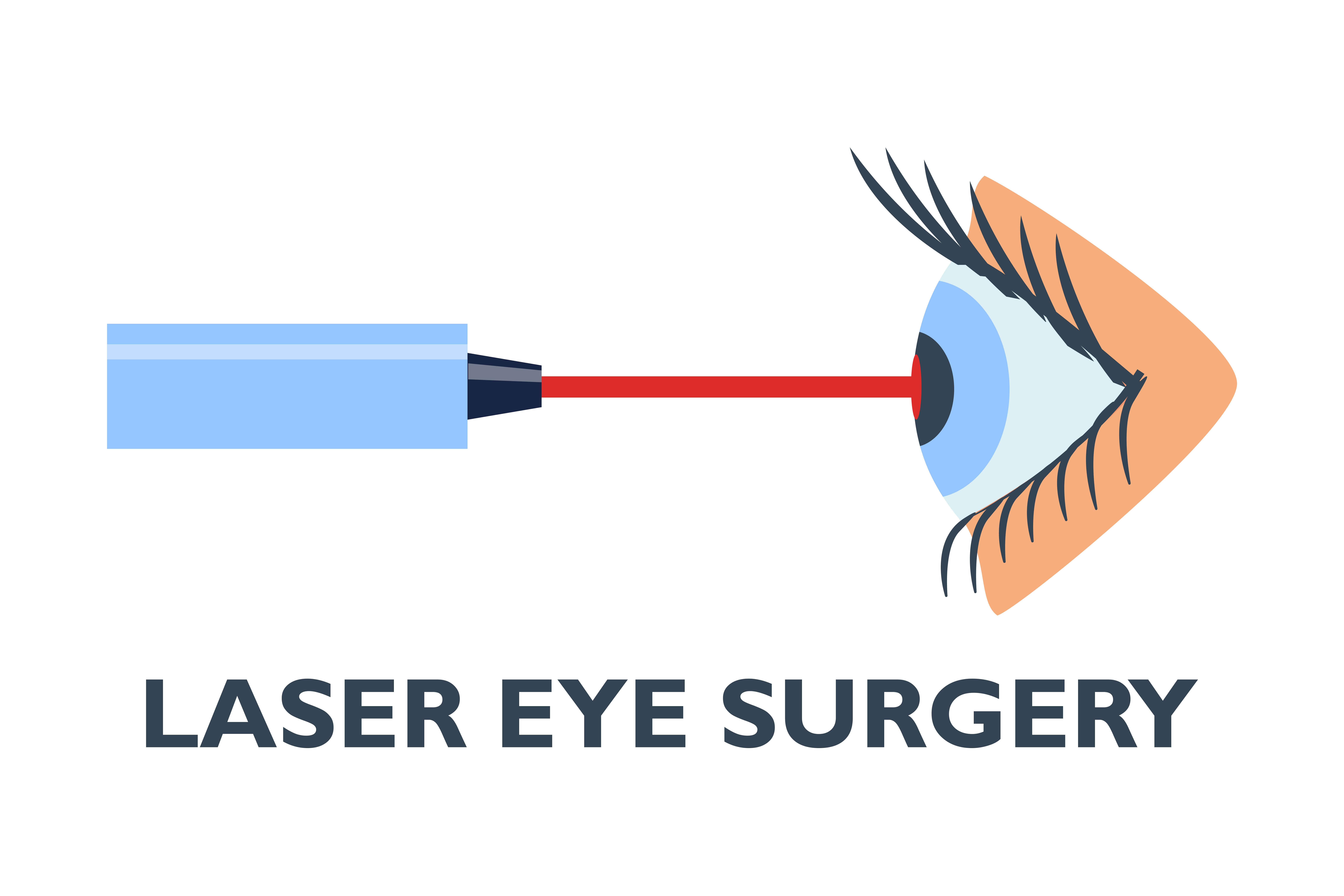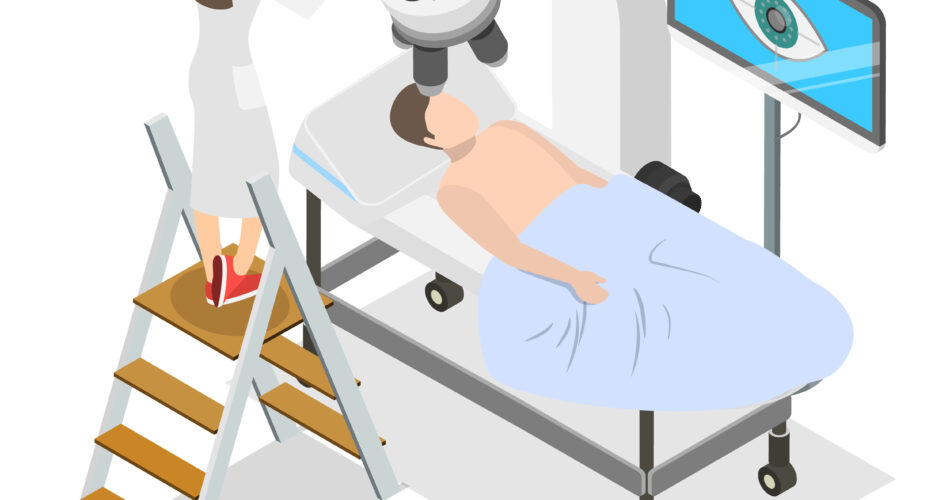
If you’re considering LASIK, one of your major questions might be What exactly happens during the laser eye surgery procedure? Will it hurt? How long is the recovery?
These are all completely normal concerns, and we’re here to walk you through every step of the LASIK eye surgery procedure. From your first consultation to your follow-up appointments, this guide provides you a clear picture of what to expect before, during, and after your journey to better vision. Let’s begin!
How Does LASIK Work?

Laser-Assisted In Situ Keratomileusis or LASIK is a vision correction surgery that works by reshaping your cornea, the clear front part of your eye. This surgery helps the light to enter your eye, and focus correctly on the retina. Think of it like adjusting the lens of a camera to get a sharper image.
During the LASIK eye surgery procedure, an eye surgeon uses an excimer laser to remove microscopic amounts of corneal tissue. This precise removal changes the shape of your cornea, correcting refractive errors that cause blurry vision. Thus, achieving vision correction of 20/20 vision or better
The entire appointment usually lasts about 30 minutes for both eyes.
Before Your Laser Eye Surgery Procedure (LASIK)
Getting ready for your LASIK refractive laser surgery involves more than just showing up on the day of your procedure. Proper LASIK preparation is the first step toward successful results.
Undergo Comprehensive Eye Examination
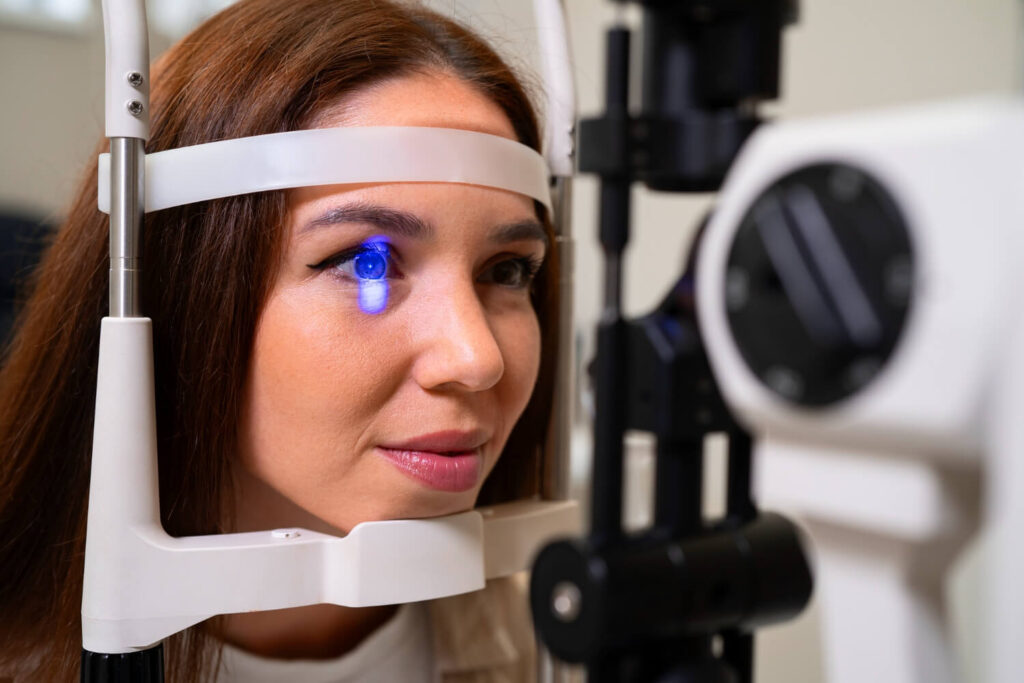
Before you undergo the laser eye surgery, you must have an initial doctor consultation with an ophthalmologist. This session involves an eye consultation, which includes several specialized tests to determine if you’re a good candidate for LASIK.
Eye Exam involves the following:
- Corneal topography: This creates a detailed map of the shape of your cornea, measuring its curvature and thickness
- Pupil size measurement: Important for planning the treatment zone
- Refractive error assessment: Determines your exact prescription
- Tear film evaluation: Checks for dry eyes, which can affect healing
- Overall eye health check: Screens for conditions that might affect the procedure
Aside from the screening tests, the ophthalmologist will also check your eye condition, and related medical conditions (e.g., astigmatism, myopia, hyperopia). Thus, helping them to see if you’re suitable for LASIK.
Pre-Surgery Preparations
After your initial consultation, there are crucial preparations you need to do. Once you’re cleared for surgery, your eye surgeon will provide specific instructions.
- Stop wearing contact lenses: Contact lenses can temporarily change the shape of your cornea, which could affect your surgery results. Soft contact lens wearers typically need to stop wearing them for at least two weeks before the procedure. If you wear rigid gas permeable lenses, you might need to stop even earlier, sometimes up to four weeks.
- Arrange transportation: You won’t be able to drive yourself home after the procedure. After your LASIK eye surgery procedure, you need to rest your eyes for a long time. So, plan ahead and ask a family member or friend to accompany you.
- Avoid eye makeup: On the day of surgery, skip the mascara, eyeliner, and eye shadow. These products can increase the risk of infection.
- Clean your eyelids: Your doctor may recommend using a gentle cleanser on your eyelids for several days before surgery to reduce bacteria.
- Plan for recovery time: While many people return to work within a day or two, it’s wise to clear your schedule for at least a couple of days after the procedure.
Costs Preparation for Refractive Laser Eye Surgery
Between work and family obligations, many Filipino families also need to consider the financial aspect of LASIK. The cost varies depending on the technology used, your prescription, and the clinic you choose. It’s worth consulting with different providers to understand what’s included in the price and what payment options are available.
Read this related guide to know more about LASIK eye surgery price to prepare your finances
During Your LASIK Eye Surgery Procedure
Now that all the preparations are settled, what you should worry about is what happens during your LASIK procedure. Let’s discuss every step of this procedure below!
Arrival and Preparation
On the day of your surgery, your eye surgeon will explain what’s about to happen and answer any last-minute questions. This is your chance to voice any concerns. Afterwards, the staff will assist you to the operating room.
You’ll receive numbing eye drops to ensure you don’t feel pain during the procedure. Some patients also receive a mild sedative to help them relax – you’ll be awake throughout, but calm.
The LASIK Procedure Steps
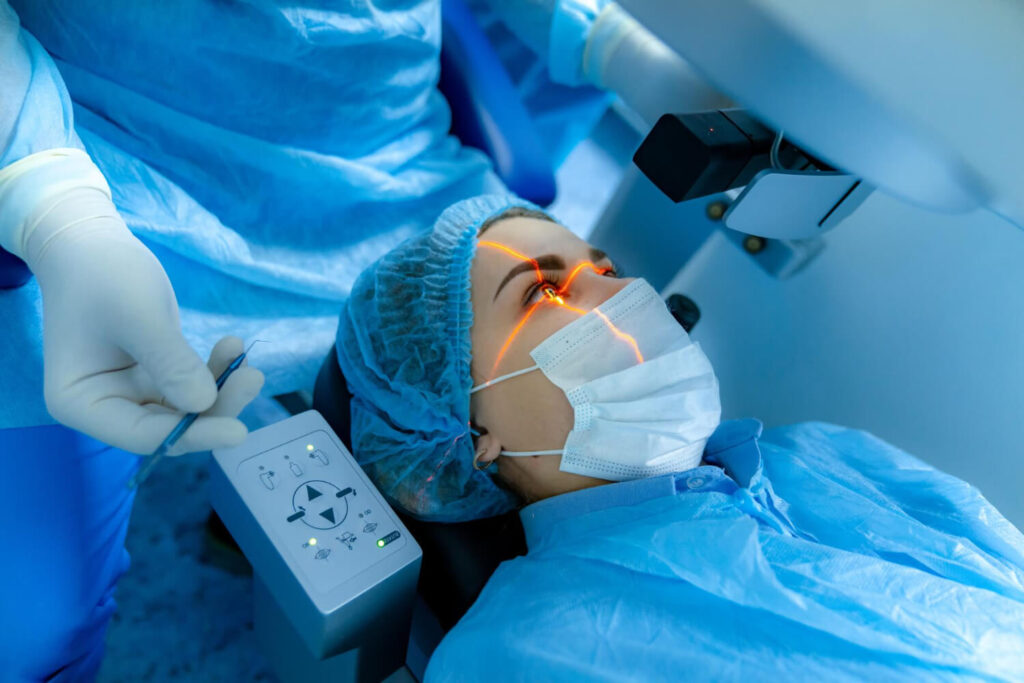
- Creating the Corneal Flap – The first step in most LASIK procedures involves creating a thin flap in the outer layer of your cornea. Modern bladeless LASIK uses a femtosecond laser for this step, making it incredibly precise. You’ll feel gentle pressure on your eye as a device called a suction ring is placed to keep your eye steady. You might notice your vision dim temporarily – this is completely normal. The entire flap creation takes just seconds.
- Reshaping the Cornea – Once the corneal flap is created and gently lifted, your surgeon uses the excimer laser to reshape the underlying corneal tissue. You’ll be asked to focus on a target light while the laser does its work. The laser makes a clicking sound as it removes microscopic layers of tissue. Take note that the amount removed depends on your specific refractive error. This step takes less than a minute per eye.
- Repositioning the Flap – After the cornea is reshaped to the correct curvature, your surgeon carefully repositions the corneal flap. It acts as a natural bandage, adhering on its own without stitches. The flap begins healing immediately.
After Your LASIK Eye Surgery Procedure
Right after your refractive laser eye surgery, your vision will likely be blurry or hazy. This is completely normal. Majority of patients notice immediate improvement, but it’s common for vision to fluctuate during the first few days.
Your eyes might feel irritated, like there’s something in them. They may water, sting slightly, or be sensitive to bright lights. These sensations typically improve within hours.

What you’ll need to do:
- Wear protective eye shields: Especially while sleeping for the first few nights to prevent accidentally rubbing your eyes
- Use prescribed eye drops: Your doctor will provide antibiotic drops to prevent infection and anti-inflammatory drops to reduce swelling
- Rest your eyes: Take it easy for the rest of the day. Many patients take a nap, which helps with healing
Aftercare Guide for Eye Surgery Recovery & Healing
Do’s:
- Use all prescribed eye drops exactly as directed
- Attend your follow-up appointments (usually the day after surgery, then at one week)
- Wear sunglasses outdoors to protect your eyes from bright lights and UV rays
- Keep water out of your eyes when showering
- Sleep with your protective eye shields
Don’ts:
- Don’t rub your eyes, no matter how tempting it is
- Avoid swimming, hot tubs, and whirlpools for at least two weeks
- Skip makeup for at least a week
- Hold off on strenuous exercise or contact sports
- Don’t drive until your eye surgeon clears you
Managing Common Side Effects
While most side effects are temporary, knowing what’s normal can give you peace of mind:
- Dry eyes
- Light sensitivity
- Halos or glare
- Fluctuating vision
- Double vision
If you experience severe pain, significant vision loss, or signs of infection (redness, discharge, fever), contact your LASIK doctor immediately. While the risk of infection is low, it’s important to address any concerns promptly.
Long-Term Recovery and Results
Most patients achieve stable vision within three to six months after their LASIK eye surgery procedure, though many notice dramatic improvement much sooner. At your follow-up appointments, your doctor will monitor your healing and visual acuity.
Timeline for typical recovery:
- 24 hours: Many patients can return to work and normal activities (avoiding strenuous exercise)
- 1 week: Most restrictions are lifted, though swimming and eye makeup remain off-limits a bit longer
- 1 month: Eyes continue healing; vision continues stabilizing
- 3-6 months: Final vision results are typically achieved
For most people, LASIK provides long-lasting clear vision. However, it’s important to understand that LASIK doesn’t prevent age-related vision changes. Many people who have LASIK in their 20s or 30s may still need reading glasses in their 40s due to presbyopia – a natural part of aging.
How to Book Your LASIK Laser Eye Surgery Philippines
Are you ready to fix your eyesight through laser eye surgery? Booking LASIK in the Philippines is simple when you use NowServing. Here’s how:
- Visit the NowServing website page link for their LASIK service
- Browse the list of eye specialists and choose your preferred doctor
- Tap the “Book Appointment” option to continue the process
- Provide the crucial details, like reason for booking, your name, etc.
- Wait for the doctor to accept your booking
Remember that this doctor consultation is your opportunity to ask questions, understand the risks and benefits, and determine if you’re a suitable candidate for LASIK. So, find the best doctor to get diagnosed properly and help you prepare for LASIK eye surgery.
Frequently Asked Questions (FAQs) About LASIK Eye Surgery Procedure
What does it feel like during LASIK?
Most patients report feeling pressure but not pain during the LASIK surgery. The numbing eye drops do their job well. You might experience some mild discomfort or a gritty sensation afterward, but actual pain is rare.
Does LASIK hurt during the procedure?
No, the LASIK procedure itself shouldn’t hurt. Your eye surgeon will use numbing eye drops to ensure you don’t feel pain. You might feel some pressure on your eye when the suction ring is applied, but this is brief. After surgery, some people experience mild discomfort or a gritty sensation for a few hours, but severe pain is unusual. If you do experience significant pain after your procedure, contact your doctor right away.
How long does the LASIK eye surgery procedure take?
The actual laser treatment takes less than a minute per eye – often just 30 seconds or so. The entire appointment, including preparation and both eyes, typically lasts about 30 minutes. It’s remarkably quick considering the life-changing results it can provide!
When can I return to work after LASIK?
Many patients return to work within one to two days after their laser eye surgery. Some people with desk jobs feel comfortable going back the very next day. However, if your work involves heavy physical labor, exposure to dust or chemicals, or prolonged computer use that might strain your eyes, your doctor might recommend taking a bit more time off. Always follow your eye surgeon’s specific recommendations for your situation.
Can both eyes be treated during the same LASIK procedure?
Yes, in most cases, both eyes are treated during the same appointment, one right after the other. This is actually preferred because it allows for faster overall recovery and quicker achievement of clear vision in both eyes. Some patients prefer this approach because they only need to go through the preparation and recovery process once.
What happens if I blink during the LASIK surgery?
Don’t worry about this – it’s impossible to blink during the procedure! A small device called a lid speculum gently holds your eyelids open throughout the surgery. While this might sound uncomfortable, remember that your eye is completely numb, so you won’t feel it. The laser also has advanced tracking technology, so if your eye moves slightly, it can follow the movement.
Conclusion
The LASIK eye surgery procedure itself is quick and typically painless, thanks to numbing eye drops and advanced technology. Most patients are amazed by how fast the entire procedure is and how quickly they start seeing results. While the recovery process requires some patience and following your doctor’s instructions carefully, the temporary inconvenience is often worth it for years of clearer vision without glasses or contact lenses.
Ready to explore LASIK eye surgery? Connect with a licensed LASIK doctor through NowServing to schedule your consultation.
LASIK Eye Surgery: Test Your Knowledge
Check what you remember about LASIK preparation, the procedure, and recovery before you book your consultation.