Caring for a child with autism spectrum disorder comes with unique joys and challenges. One of the most common concerns for parents is helping their child process sensory information more comfortably. The good news is, there are simple sensory exercises for autism patients that can be practiced at home.
These activities help children regulate their sensory processing, improve body awareness, and develop essential motor skills. Find out more about these sensory exercises with this guide. Let’s begin!

Why Sensory Exercises Matter for Children with Autism
Children with autism often experience sensory processing differences. Some may be oversensitive to certain textures, sounds, or visual stimuli, while others may seek out intense sensory input. This can affect their ability to focus, communicate, and engage in social interaction.
Regular sensory activities help by:
- Calming the nervous system during moments of overwhelm
- Building fine motor skills and body awareness
- Creating positive associations with different textures and sensations
- Providing a fun way to learn and explore safely
Think of these exercises as tools that help your child feel more comfortable in their own body. When practiced consistently, they can reduce meltdowns and improve daily functioning.
Learn more about autism spectrum disorder (ASD) in this guide
10 Simple Sensory Exercises You Can Try at Home
1. Sensory Bins with Different Textures
Sensory integration to your child’s daily routine is one of the steps you can do at home. Fill a shallow container with rice, dried beans, sand, or water beads. Let your child explore using their hands or small objects like cups and spoons. This tactile activity stimulates the sense of touch and encourages fine motor skills development.
Tip: Start with textures your child already tolerates, then gradually introduce new ones.
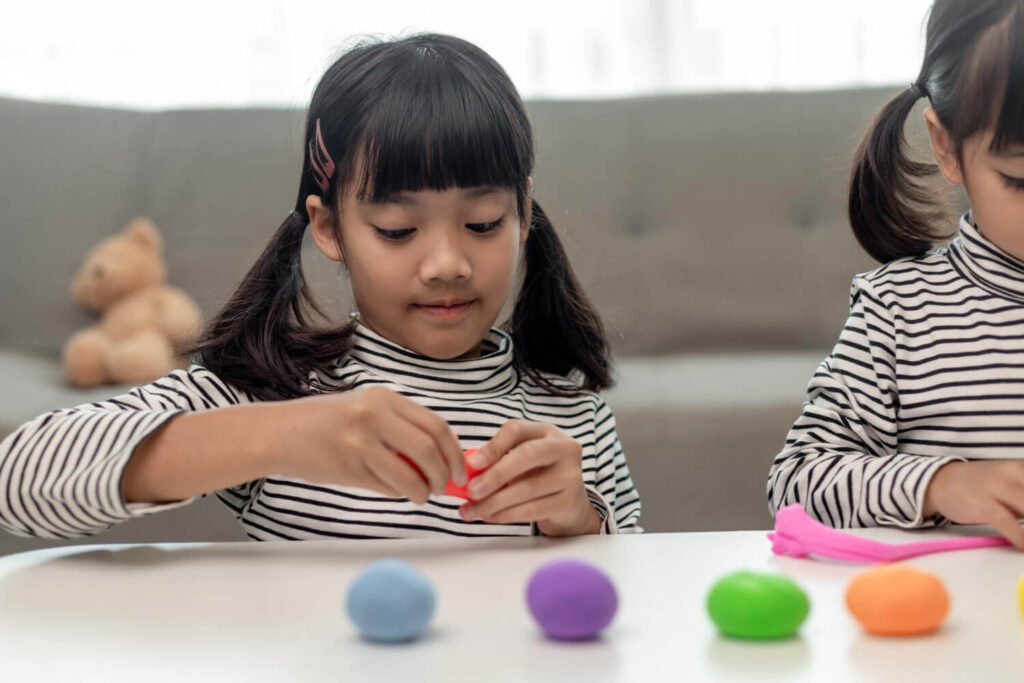
2. Playdough and Clay Molding
Squeezing, rolling, and shaping playdough provides excellent sensory input for little hands. This activity strengthens hand muscles needed for writing while offering a calming, repetitive motion many children find soothing.
3. Bubble Wrap Stomping
Lay bubble wrap on the floor and let your child stomp, jump, or walk across it. The popping sounds and pressure underfoot provide satisfying auditory and tactile feedback. It’s also a great way to release excess energy.
4. Sensory Bottles (Calm Down Jars)
Visual aids in a form of sensory bottle is also a great choice to begin a sensory exercise at home. Create a sensory bottle by filling a clear plastic bottle with water, glitter, and a few drops of food coloring. Seal it tightly and let your child shake and watch the contents settle. These bottles help with visual stimuli processing and can serve as a calming tool during sensory breaks.
5. Heavy Work Activities
Activities that involve pushing, pulling, or carrying heavy objects help with body awareness and provide deep pressure touch. Try having your child carry groceries, push a laundry basket, or do animal walks like bear crawls across the room.
6. Water Play
Set up a small basin of water with cups, sponges, and floating toys. Water play engages multiple senses and can be incredibly calming. Adjust the temperature slightly (warm or cool) to add another sensory experience for your child.
7. Simple Yoga Poses
Basic yoga poses like “tree,” “cat-cow,” and “child’s pose” help children develop balance, coordination, and body awareness. Practice together in at home to help with social skills.
8. Music and Movement Activities
Meanwhile, music naturally engages the brain and can help children who struggle with verbal communication express themselves. Try introducing different sounds and incorporate clapping to rhythms to improve motor skills. You can also try introducing playing simple instruments as it can address auditory activities and encourage social interaction.
Note: Be careful of playing loud noises as it can trigger emotional outburst. Try introducing sounds one-at-a-time to not overstimulate your child or introduce a quiet corner for stimulation sensory break.
9. Texture Boards
Create a DIY texture board by gluing different materials onto cardboard like sandpaper, felt, foil, cotton balls, and fabric scraps. Guide your child’s hands across each texture, naming what they feel. This builds vocabulary and activates sensory stimuli, allowing to achieve unique sensory needs and developmental milestones.
10. Obstacle Courses
Another sensory play for kids involves creating obstacle courses. Set up a simple indoor obstacle course for physical activity using pillows, tunnels (blankets over chairs), and balance beams (tape on the floor). Navigating different activities in sequence improves motor planning, coordination, and provides varied sensory input.
How Often Should You Practice These Exercises?
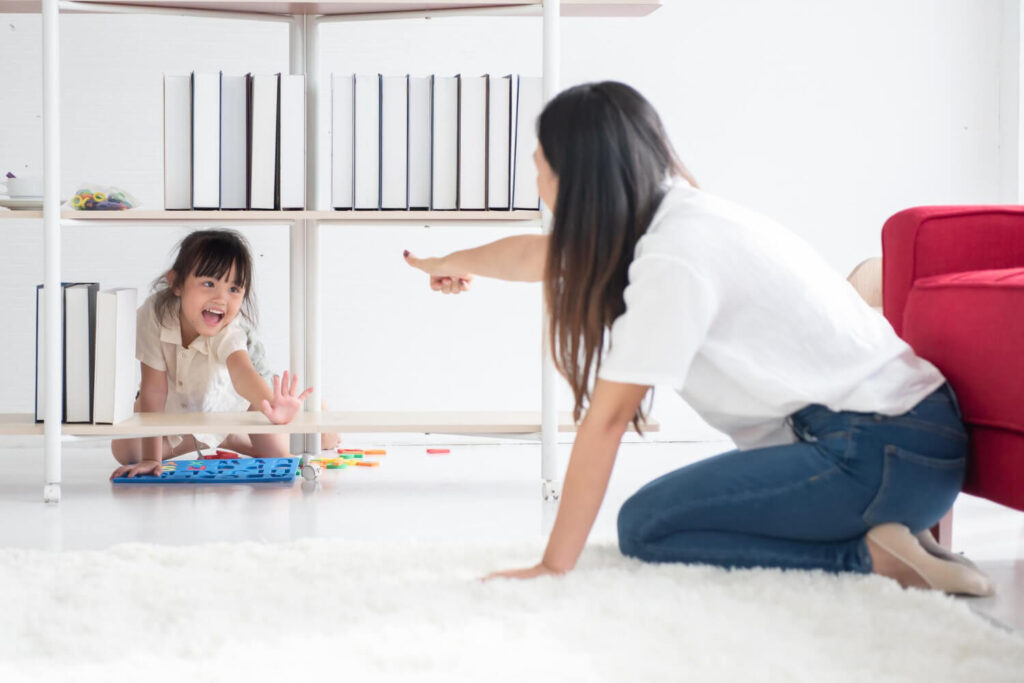
Consistency matters more than duration. Aim for 15 to 30 minutes of sensory play activities daily, broken into smaller sessions if needed. Some children benefit from sensory breaks throughout the day, especially before transitions like mealtimes or bedtime.
Furthermore, watch your child’s cues during your exercises. If they seem overwhelmed, take a pause, or if they’re seeking more input, extend the activity. Every child’s sensory needs are different, so adjust based on what works for your family.
Read this blog to know more about the developmental milestones that your child should achieve at the right age.
When to Consult a Doctor or Specialist
While home exercises are valuable, they work best alongside professional guidance. Consider scheduling a consultation if you notice:
- Your child’s sensory sensitivities are significantly affecting daily life
- Developmental milestones are delayed or regressing
- Meltdowns are frequent and difficult to manage
- Your child avoids most textures, sounds, or social situations entirely
- You’re unsure which activities are appropriate for your child’s specific needs
A developmental pediatrician or occupational therapist can create a tailored plan and recommend specific interventions. Speech-language pathologists can also help if sensory issues affect communication.
Read this related blog to identify the common signs of autism as early as it manifest.

Scheduling an Appointment with an Autism Doctor on NowServing
Here’s a simple list of steps to schedule an appointment on NowServing for doctor consultation:
- Open the NS app or visit Autism Spectrum Disorder (ASD) page on NowServing.ph
- Browse the doctor directory and select your preferred specialist
- Fill-up the form to begin the booking process
- Wait for the doctor to accept your booking
Take note that NowServing also allows you to book a diagnostic test to testing facilities near you. So, if your doctor warrants these tests to diagnose your condition better, you can use NowServing to book an appointment with their partner facilities (Hi-Precision).
FAQs About Sensory Exercises for Autism
What age should I start autism sensory activities with my child?
You can introduce simple sensory play as early as infancy, but structured sensory exercises are typically most beneficial starting around age 2 to 3. Consult your pediatrician for personalized guidance based on your child’s development.
Can sensory exercises replace therapy?
No. Sensory exercises for autism are excellent supplements to professional therapy, not replacements. They reinforce skills learned during occupational or speech therapy sessions and help maintain progress at home.
What if my child refuses to participate?
Start with activities that match their current comfort level. Never force participation as this can create negative associations. Offer choices, make it playful, and celebrate small wins. Over time, most children become more willing to try new sensory activities.
Are these exercises only for children with autism?
While designed with autism spectrum disorder in mind, these activities benefit any child who experiences sensory processing differences or simply enjoys hands-on learning.
How do I know if an activity is overstimulating my child?
Signs of overstimulation include covering ears or eyes, crying, withdrawal, increased stimming, or attempts to escape the situation. If you notice these, calmly end the activity and offer a sensory break in a quiet corner.
Conclusion
Sensory exercises for autism patients are important, but that doesn’t mean that it can replace therapy sessions with a specialist. You can practice these 10 stimulating exercises to help your child at home, but you should always consult a doctor when needed.
If you need professional guidance or want to discuss your child’s developmental progress, NowServing connects you with developmental pediatricians and specialists who understand the unique needs of Filipino families.
Book a consultation with developmental pediatricians and other specialists on NowServing today!